


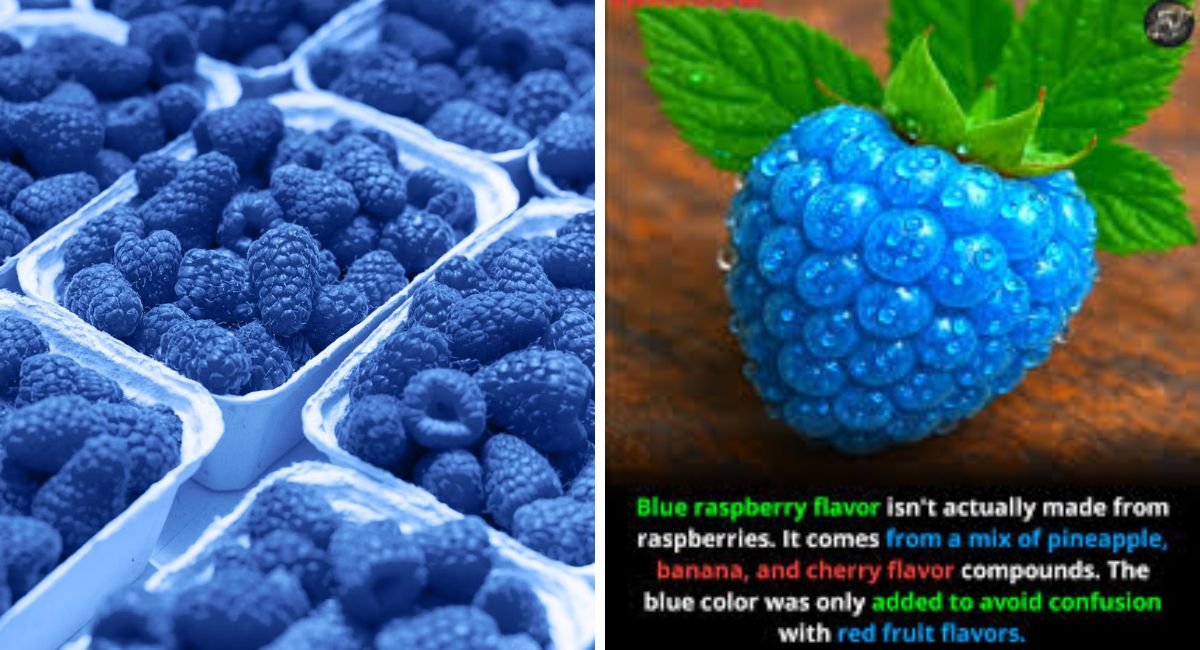
The world of food flavours is filled with fascinating creations, but few are as mysterious and recognisable as blue raspberry. Unlike strawberry, cherry, or watermelon, blue raspberry does not come from a naturally bright blue fruit. Yet it has become one of the most beloved flavours in candies, slushies, ice pops, chewing gum, and beverages. Its eye-catching colour and unique sweet-tart taste have helped it stand out from countless other flavour options. Many people enjoy blue raspberry products without knowing where the flavour originated or why it became blue in the first place.
The story behind blue raspberry combines food science, marketing innovation, and consumer psychology. Understanding its history reveals how a simple flavour transformed into a cultural icon that continues to attract both children and adults around the world.
Who Is Blue Raspberry?
When people ask, “Who is blue raspberry?” they are often surprised to learn that blue raspberry is not an actual fruit. Instead, it is a manufactured flavour concept created by food companies to represent a raspberry-inspired taste while using a distinctive blue colour. Traditional raspberries are typically red, black, purple, or golden, but no naturally occurring raspberry displays the bright electric blue colour commonly associated with blue raspberry products.
Blue raspberry was developed as a unique identity within the food industry. Manufacturers wanted a way to distinguish raspberry-flavoured products from other red-flavoured items such as strawberry, cherry, and watermelon. By creating a blue-colored raspberry flavour, companies gave consumers an easy way to recognise the flavour immediately. Over time, blue raspberry evolved into its own category, becoming more than just a raspberry variation. Today, many consumers identify blue raspberry as a separate flavour with its own distinctive taste and appearance.
The Origins of Blue Raspberry
The history of blue raspberry dates back to the mid-twentieth century, when food manufacturers faced challenges in differentiating fruit flavours. During that period, many fruit-flavoured candies and frozen treats relied heavily on shades of red. Consumers often struggled to distinguish between raspberry, strawberry, cherry, and other berry flavours simply by looking at the products.
To solve this problem, manufacturers experimented with alternative colours. Blue became the perfect solution because very few food products naturally featured vibrant blue colouring. The unique appearance immediately attracted attention and reduced confusion among consumers. Early snow cone syrup producers and frozen beverage companies helped popularise the concept. As blue raspberry products became more common, the flavour gained a loyal following and eventually became one of the most successful artificial flavour innovations in food history.
What Does Blue Raspberry Taste Like?
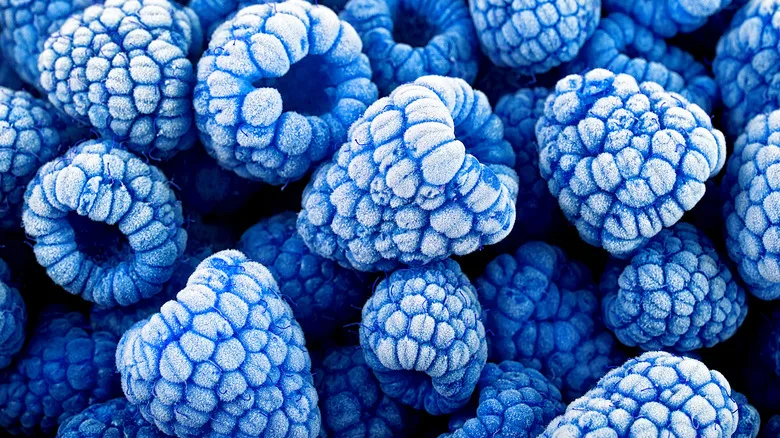
One of the most interesting aspects of blue raspberry is its flavour profile. Although inspired by raspberry characteristics, the taste is often sweeter, tangier, and more intense than natural raspberry flavours. Consumers frequently describe blue raspberry as having a balance of sweetness and tartness that creates an exciting sensory experience.
Food scientists use a combination of flavour compounds to create this distinctive taste. The result is a flavor that feels fruity, refreshing, and slightly sour. Unlike traditional raspberry flavours, blue raspberry often delivers a stronger candy-like sensation that appeals to younger audiences. This enhanced flavor intensity contributes significantly to its popularity in products such as slushies, gummies, hard candies, and sports drinks. The flavor’s ability to provide a memorable taste experience helps explain why it continues to dominate store shelves decades after its creation.
Why Is Blue Raspberry So Popular?
The popularity of blue raspberry can be attributed to several factors. First, its bright blue appearance immediately captures attention. Humans naturally respond to visually striking colors, and blue raspberry products stand out among traditional fruit-flavored options. This visual appeal encourages curiosity and often influences purchasing decisions.
Another reason for its success is the flavour itself. The sweet and tart combination creates a bold taste experience that many consumers find enjoyable. Unlike subtle fruit flavours, blue raspberry tends to deliver a strong and recognisable flavour profile. Additionally, nostalgia plays a major role in its ongoing popularity. Many adults associate blue raspberry with childhood memories involving ice pops, frozen drinks, candy stores, fairs, and amusement parks. These positive associations help maintain the flavour’s cultural relevance across generations.
Blue Raspberry in Modern Food and Beverage Products
Today, blue raspberry appears in a wide variety of products throughout the food and beverage industry. Candy manufacturers frequently use the flavour in gummies, lollipops, hard candies, chewing gum, and sour treats. Beverage companies incorporate it into energy drinks, sports drinks, flavoured waters, and frozen beverages. Ice cream makers, dessert producers, and bakery companies also use blue raspberry flavouring to create visually appealing products.
The flavour’s versatility makes it valuable for product development. Since consumers are already familiar with it, brands can easily launch new blue raspberry products with instant recognition and trust. Social media has further enhanced its popularity by showcasing the vibrant blue colour in visually appealing food photography and videos. This modern exposure continues to attract new generations of consumers who are drawn to colourful and unique food experiences.
The Science Behind the Blue Colour
The bright blue appearance of blue raspberry products comes from food colouring rather than natural fruit pigments. Since no naturally occurring raspberry provides this colour, manufacturers rely on approved food dyes to achieve the signature electric blue shade. These colourings are carefully formulated to remain stable in different food and beverage applications.
Colour psychology also plays a significant role in consumer perception. Blue is often associated with uniqueness, excitement, and novelty in food products. Because blue foods are relatively uncommon in nature, consumers may view blue raspberry products as special or different from traditional flavours. This psychological effect strengthens the flavour’s market appeal and helps maintain its distinctive identity within the competitive food industry.
Cultural Impact of Blue Raspberry
Over the years, blue raspberry has become more than just a flavour; it has evolved into a recognisable cultural symbol. Its presence at amusement parks, sporting events, convenience stores, and movie theatres has helped establish it as a familiar part of popular culture. The flavour frequently appears in seasonal products, promotional campaigns, and limited-edition releases due to its strong consumer appeal.
Many people instantly recognise blue raspberry products based solely on their colour. Such strong recognition is uncommon among flavour categories, making it stand out from most others.
The combination of visual identity, memorable taste, and nostalgic value has transformed blue raspberry into one of the most successful examples of food marketing and flavour innovation.
Conclusion
Blue raspberry is a remarkable example of how creativity, science, and marketing can come together to create a lasting food phenomenon. Although it is not a naturally occurring fruit, it has become one of the most recognised and beloved flavours in the world. Its distinctive sweet-tart taste, vibrant blue colour, and fascinating history have helped it maintain popularity for decades. From candies and frozen treats to beverages and desserts, blue raspberry continues to capture the imagination of consumers of all ages. Its journey from a simple solution to flavour confusion into a global cultural icon demonstrates the powerful influence of innovation within the food industry.
FAQs
1. Is blue raspberry a real fruit?
No, blue raspberry is not a real fruit. It is an artificial flavour inspired by raspberry characteristics and represented by a bright blue colour.
2. Why is blue raspberry blue?
Manufacturers chose blue colouring to distinguish raspberry-flavoured products from other red fruit flavours such as cherry and strawberry.
3. What does blue raspberry taste like?
Blue raspberry has a sweet, tangy, and slightly sour flavour that is often more intense than natural raspberry flavours.
4. Is blue raspberry flavour made from real raspberries?
While a few products use natural flavour elements, the majority depend on carefully engineered flavour compounds.
5. Why is blue raspberry so popular?
Its unique colour, bold flavour, nostalgic appeal, and widespread use in candies and beverages have made it one of the most popular flavour choices worldwide.
READ MORE: selftimes
