


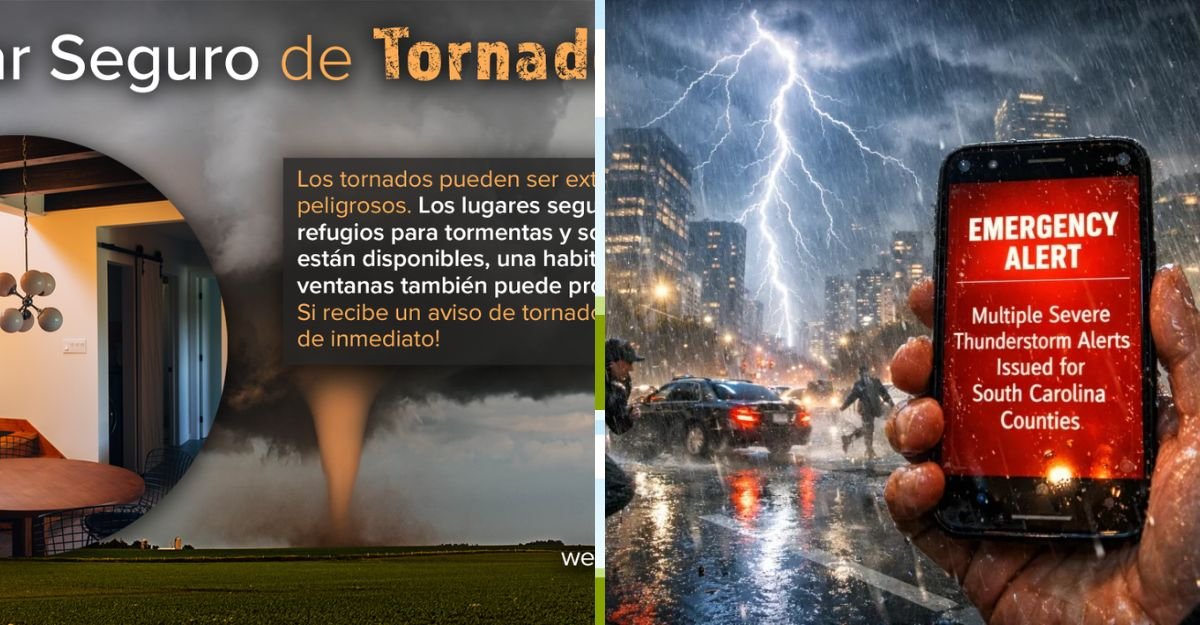
When multiple severe thunderstorm alerts issued for South Carolina counties appear across weather systems, it signals a rapidly developing and potentially dangerous atmospheric situation affecting large portions of the state. South Carolina, due to its coastal geography and warm, humid climate, is especially vulnerable to fast-changing storm systems that can escalate within minutes.
In these situations, alert monitoring and dissemination are primarily handled by the National Weather Service (NWS) through its network of regional forecast offices operating throughout the state. These offices work continuously to analyse radar data, satellite imagery, and atmospheric models to determine the severity and timing of storms.
What Multiple Severe Thunderstorm Alerts Mean
The phrase multiple severe thunderstorm alerts issued for South Carolina counties refers to simultaneous or closely timed weather warnings affecting different regions within the state. In many cases, a single large storm system stretches across the state, prompting a chain of warnings as it moves eastward or inland.
This can include fast-moving cold fronts, tropical moisture surges, or remnants of larger storm complexes that bring widespread instability to the atmosphere.
Why Severe Thunderstorm Alerts Are Issued in South Carolina
Severe thunderstorm alerts are issued when meteorological conditions reach a threshold that poses a risk to life and property. In South Carolina, warm air from the Atlantic Ocean and Gulf of Mexico often collides with cooler air masses from the north, creating strong atmospheric instability. When this clash occurs, it can lead to rapid thunderstorm development.
The National Weather Service issues alerts based on criteria such as wind speeds exceeding 58 mph, hail measuring one inch or larger, or evidence of rotating storm structures that could produce tornadoes.
These systems are often associated with cold fronts or pre-frontal troughs that extend across wide geographic areas. The result is a series of overlapping warnings that may last several hours or even an entire day, depending on how quickly the system moves through the region.
Areas Commonly Affected Across South Carolina Counties
The Upstate region often sees early storm development due to its proximity to incoming weather systems from the Appalachian corridor. Central counties, including the Midlands, frequently experience the most sustained storm activity as systems move across flatter terrain. Coastal counties are also highly vulnerable, especially when moist ocean air intensifies storm strength during passage. This highlights the expansive nature of storm systems affecting the state. Urban areas, rural communities, and coastal towns alike may experience varying levels of impact, including sudden power outages, flash flooding, and transportation disruptions due to heavy rainfall and debris.
How Residents Should Respond During Alerts
Staying in an interior room on the lowest floor of a sturdy building provides the best protection. It is also important to avoid using electrical appliances during lightning activity and to secure outdoor objects that could become airborne.
Drivers should avoid travelling through flooded roads or exposed highways where wind gusts can affect vehicle control. Emergency authorities stress that even brief thunderstorms can create serious dangers, making it essential to remain sheltered until an official all-clear is issued.
In situations involving multiple alerts across counties, weather conditions can change rapidly, meaning that staying updated through local emergency broadcasts or alert systems is essential for safety.
Role of Weather Authorities and Monitoring Systems
The responsibility for issuing and managing severe weather alerts lies primarily with the National Weather Service (NWS), which operates a network of regional forecast offices. In South Carolina, offices such as those covering Greenville-Spartanburg, Columbia, and Charleston monitor evolving storm systems around the clock.
These offices use Doppler radar, satellite data, and ground-based observations to identify storm development and movement. When conditions escalate, meteorologists coordinate to issue timely warnings to affected counties. The phrase multiple severe thunderstorm alerts issued for South Carolina counties often reflects coordinated efforts across these offices as they track a single weather system impacting different regions. Their goal is to ensure that every community receives accurate and timely warnings, minimising the risk of injury or damage.
Impact on Communities and Infrastructure
Power outages are common due to falling trees and damaged utility lines caused by strong wind gusts. Schools and public services may temporarily close or delay operations depending on the severity of the alerts.
Agricultural regions can also suffer losses from hail damage and flooding, affecting crops and livestock. When multiple alerts are active across the state, emergency response systems can become strained as they manage simultaneous incidents. This highlights the importance of preparedness and community awareness during severe weather events in South Carolina.
Conclusion
The occurrence of multiple severe thunderstorm alerts issued for South Carolina counties reflects a serious and dynamic weather situation that requires immediate attention and preparedness. Understanding what these alerts mean and how to respond can significantly reduce risks to life and property.
South Carolina’s geographic and climatic conditions make it particularly susceptible to fast-moving and intense thunderstorms, reinforcing the need for public awareness and readiness. By following official guidance and staying informed during severe weather events, residents can better protect themselves and their communities from the impacts of dangerous storms.
FAQs
1. What does multiple severe thunderstorm alerts mean?
It means that several counties are simultaneously experiencing or expected to experience dangerous thunderstorm conditions such as strong winds, hail, and lightning.
2. Who issues severe thunderstorm alerts in South Carolina?
The alerts are issued by the National Weather Service (NWS) through its regional forecast offices.
3. How quickly can severe thunderstorms develop?
They may develop in a matter of minutes, particularly when the atmosphere becomes highly unstable and conditions strongly favor storm formation.
4. What should I do during a severe thunderstorm alert?
You should move indoors, stay away from windows, avoid travel, and monitor official weather updates until the storm passes.
5. Are severe thunderstorm alerts common in South Carolina?
Yes, due to the state’s warm, humid climate and frequent weather system interactions, such alerts are relatively common, especially during the spring and summer months.
READ MORE: selftimes
