


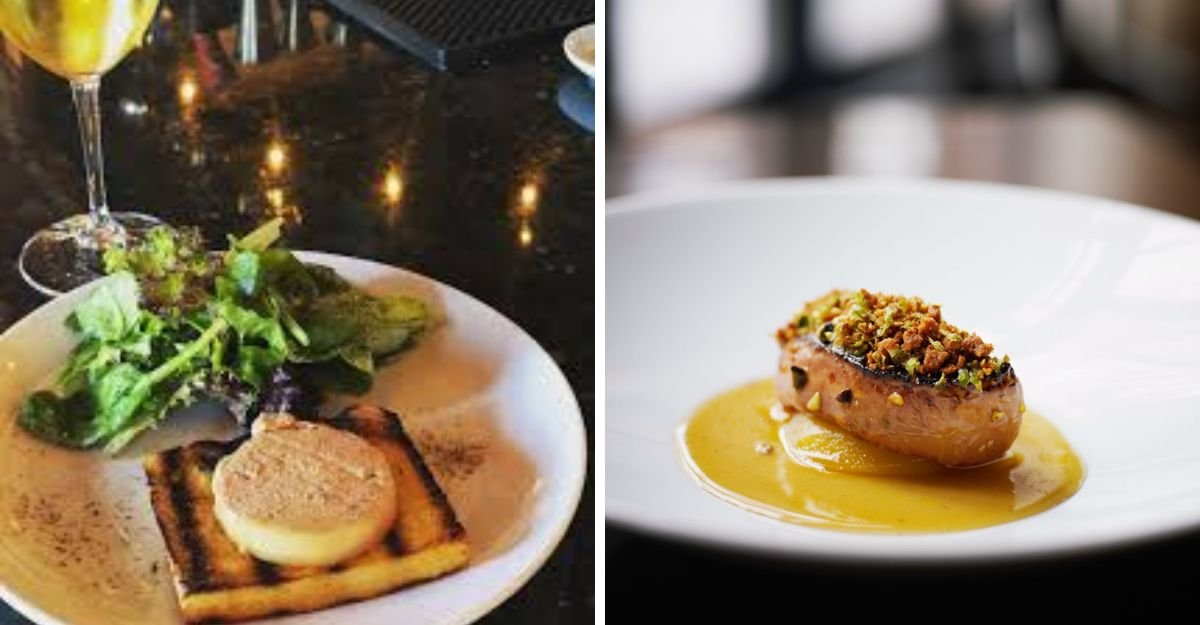
Foie gras is one of the most famous and luxurious foods in the culinary world. Often associated with fine dining, French cuisine, and gourmet experiences, this delicacy has earned a reputation for its exceptionally rich flavour and silky texture.
The term foie gras translates from French as “fat liver,” referring to the specially fattened liver of a duck or goose. For centuries, it has been considered a symbol of culinary excellence and sophistication, appearing on the menus of prestigious restaurants and at high-end celebrations around the globe.
Despite its status as a luxury ingredient, foie gras has become the centre of intense debate. Supporters view it as a treasured culinary tradition with deep historical roots, while critics argue that its production methods raise serious animal welfare concerns. Understanding foie gras requires looking beyond its reputation as an expensive food and exploring its history, production, cultural significance, and ongoing controversies.
The History of Foie Gras
The origins of foie gras date back thousands of years. Historical evidence suggests that ancient Egyptians observed migratory birds naturally overeating before long journeys. They discovered that these birds developed larger, fattier livers, which were considered highly flavorful. Inspired by this observation, Egyptians began feeding geese special diets to encourage liver enlargement.
The practice later spread to ancient Greece and Rome, where wealthy citizens prized fattened goose liver as a delicacy. Roman chefs developed sophisticated feeding techniques and recipes that enhanced the flavour of the liver. After the fall of the Roman Empire, the tradition survived in parts of Europe, particularly in regions that would later become part of modern France.
Over time, France embraced foie gras as an important element of its culinary identity. The dish became especially popular in regions such as Alsace and the southwest of France, where generations of farmers and chefs refined production methods. Today, France remains the world’s largest producer and consumer of foie gras, and the product is often regarded as a cornerstone of traditional French gastronomy.
How Foie Gras Is Produced
The production of foie gras traditionally involves a process known as gavage, which means force-feeding. During the final weeks of a bird’s life, ducks or geese are fed a high-energy diet, typically based on corn. Special feeding tubes are used to deliver food directly into the bird’s digestive system several times a day.
This feeding process causes the liver to enlarge significantly, sometimes reaching up to ten times its normal size. The resulting liver develops the rich fat content that gives foie gras its distinctive buttery texture and complex flavour profile.
Producers argue that ducks and geese have unique physiological characteristics that allow them to store large amounts of food naturally before migration. Critics, however, contend that modern gavage practices exceed natural behaviours and can cause stress or health problems for the birds. This disagreement lies at the heart of the global debate surrounding foie gras production.
In recent years, some producers have explored alternative methods. These include allowing birds to overeat voluntarily during seasonal migration periods without force-feeding. Although such products represent only a small portion of the market, they have gained attention among consumers seeking more ethically produced foie gras.
The Unique Taste and Texture of Foie Gras
One of the reasons foie gras remains highly sought after is its extraordinary texture and flavour. Unlike ordinary poultry liver, foie gras is exceptionally smooth, creamy, and delicate. Its high fat content creates a luxurious mouthfeel that melts almost instantly when eaten.
The flavour is often described as rich, buttery, nutty, and slightly sweet. Depending on the preparation method and the type of bird used, subtle variations in taste can emerge. Goose foie gras is generally considered more refined and delicate, while duck foie gras often offers a stronger and more pronounced flavour.
Chefs value foie gras because it pairs beautifully with both sweet and savoury ingredients. Fruits, wines, spices, and artisan breads are frequently used to complement its richness, creating a balanced and memorable dining experience.
Popular Culinary Forms of Foie Gras
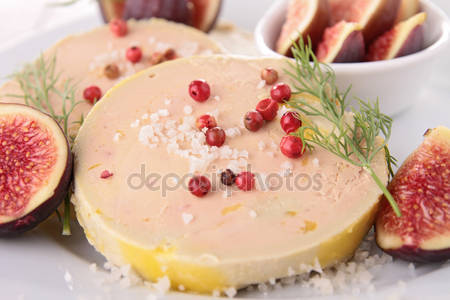
Foie gras can be prepared and served in several different forms, each offering a unique culinary experience. Fresh foie gras is often sliced and pan-seared over high heat. This method creates a crispy exterior while preserving the soft, creamy interior.
Another common preparation is pâté de foie gras, where the liver is blended with ingredients such as butter, wine, or brandy to create a smooth spread. This version is frequently served with bread or crackers as an appetiser.
Terrines and torchons are also highly respected presentations. A terrine is created by gently cooking foie gras in a mould, while a torchon involves wrapping the liver in cloth and poaching it carefully. Both methods produce elegant dishes that are typically served chilled and sliced.
These diverse preparations demonstrate the versatility of foie gras and explain why it remains a favourite ingredient among professional chefs and food enthusiasts.
Cultural Importance and Global Recognition
In France, foie gras is more than just a food item; it is considered a cultural treasure. It often appears during festive occasions such as Christmas, New Year celebrations, and family gatherings. The French government has even recognised foie gras as part of the nation’s gastronomic and cultural heritage.
Beyond France, foie gras has become a symbol of luxury dining. Many renowned restaurants around the world feature foie gras dishes on tasting menus and special-event offerings. Its association with elegance and exclusivity has contributed to its enduring appeal among food lovers.
The global reputation of foie gras continues to attract curious diners who wish to experience one of the culinary world’s most celebrated delicacies.
The Controversy Surrounding Foie Gras
The popularity of foie gras has not shielded it from criticism. Animal welfare organisations have strongly opposed traditional production methods, particularly gavage. Critics argue that force-feeding can cause physical discomfort, respiratory issues, and other health complications for ducks and geese.
As a result, several countries have prohibited foie gras production. Some regions have gone further by restricting or banning its sale in restaurants and retail establishments. These legal measures reflect growing public concern about ethical food production practices.
Supporters of foie gras maintain that the practice has historical significance and that properly managed farms adhere to animal welfare standards. They also emphasise the economic importance of foie gras production for rural communities and traditional farming industries.
This continuing dispute has made foie gras one of the most debated foods globally, highlighting the tension between culinary heritage and animal welfare concerns.
Conclusion
Foie gras occupies a unique place in global gastronomy. Celebrated for its rich flavour, luxurious texture, and centuries-old heritage, it remains one of the most prestigious delicacies available today. At the same time, concerns regarding traditional production methods have sparked international debates and legislative action in many regions.
Whether viewed as a masterpiece of culinary craftsmanship or a controversial luxury product, foie gras continues to inspire discussion among chefs, consumers, policymakers, and animal welfare advocates. Its enduring presence in the culinary world demonstrates both the power of tradition and the evolving values that shape modern food culture.
FAQs
1. What is foie gras?
Foie gras is the enlarged liver of a duck or goose that has been specially fattened to create a rich, buttery delicacy prized in gourmet cuisine.
2. Why is foie gras considered expensive?
Foie gras is expensive due to its specialised production process, limited supply, labour-intensive preparation, and strong demand in luxury dining markets.
3. What does foie gras taste like?
Foie gras has a rich, creamy, buttery flavour with subtle nutty and slightly sweet notes that distinguish it from ordinary liver.
4. Why is foie gras controversial?
The controversy centres on gavage, the traditional force-feeding process used to enlarge the liver, which many animal welfare groups oppose.
5. Are there alternatives to traditional foie gras?
Yes. Some producers create so-called ethical foie gras by allowing birds to naturally overeat during migration periods without force-feeding.
READ MORE: selftimes
