


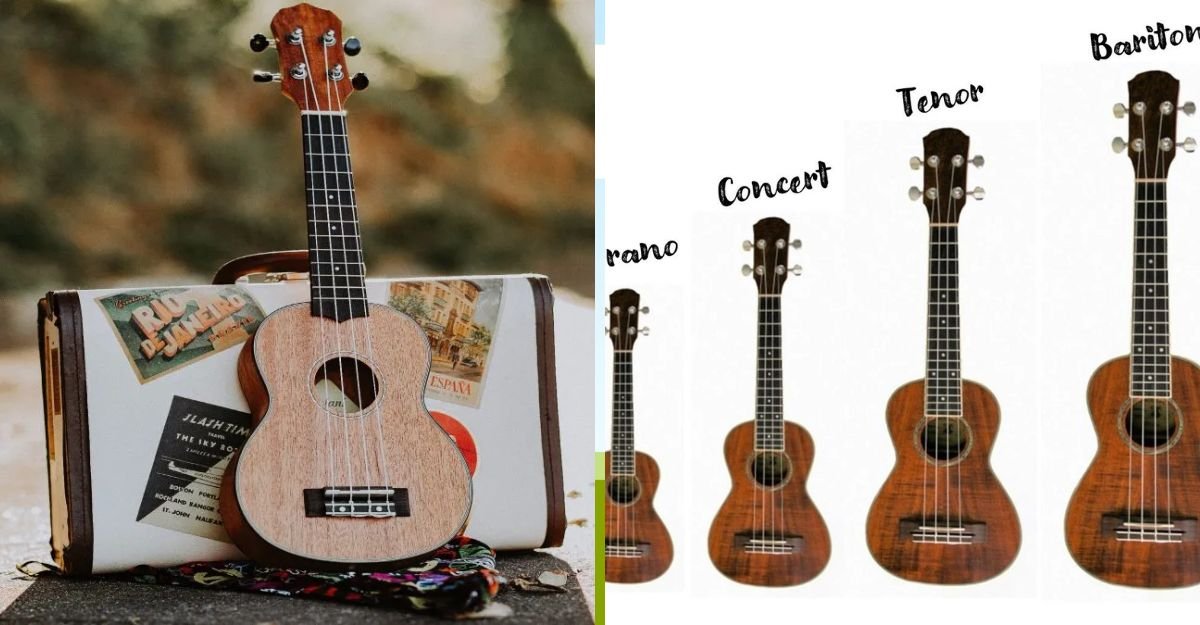
The ukulele history is a remarkable story of migration, cultural exchange, craftsmanship, and musical innovation. Today, the ukulele is recognised worldwide as a cheerful and accessible instrument that brings people together through music. Although many people associate the ukulele exclusively with Hawaii, its origins stretch far beyond the islands. The instrument evolved through the blending of Portuguese musical traditions and Hawaiian creativity, eventually becoming one of the most beloved string instruments in the world. Understanding the history of the ukulele reveals how a small instrument with humble beginnings transformed into a global cultural symbol. From immigrant communities and royal courts to modern social media platforms and concert stages, the ukulele has travelled an extraordinary path that continues to inspire musicians of all ages.
Who Created the Ukulele?
One of the most frequently asked questions in ukulele history is who actually created the instrument. The ukulele was developed in Hawaii during the late nineteenth century by Portuguese immigrants from Madeira. Among the most influential individuals involved in its creation were skilled craftsmen Manuel Nunes, Augusto Dias, and José do Espírito Santo. These talented woodworkers arrived in Hawaii seeking new opportunities and brought with them traditional Portuguese string instruments.
After settling in Hawaii, these craftsmen began building instruments that combined features of the Portuguese machete and rajão. Using local Hawaiian woods, especially koa, they adapted the designs to create a unique instrument that suited local musical tastes. While no single person can be credited as the sole inventor of the ukulele, these three craftsmen are widely regarded as the pioneers who shaped the instrument into the form recognised today. Their work laid the foundation for a musical legacy that would extend far beyond Hawaii.
Portuguese Roots and the Arrival in Hawaii
The origins of the ukulele can be traced to the arrival of Portuguese immigrants in Hawaii in 1879. Economic challenges in Madeira encouraged many families to seek employment overseas, and Hawaii’s growing sugar industry provided opportunities for work. When hundreds of immigrants arrived on Hawaiian shores, they brought their customs, traditions, and musical instruments with them.
Among the instruments they carried were the machete, a small four-string instrument, and the rajão, a larger stringed instrument known for its distinctive tuning. Hawaiian residents were immediately fascinated by the lively sound produced by these instruments. Musicians began experimenting with them, and local craftsmen adapted the designs to fit Hawaiian musical styles. This cultural exchange marked the beginning of a new chapter in ukulele history, demonstrating how migration and diversity can inspire artistic innovation.
The Meaning Behind the Name Ukulele
The name “ukulele” has intrigued historians and musicians for generations. In the Hawaiian language, the term is commonly translated as “jumping flea.” While the exact reason for this name remains uncertain, several popular theories exist.
One explanation suggests that the rapid movement of a musician’s fingers across the strings resembled a flea’s quick jumps. Another theory links the name to Edward William Purvis, a lively member of the Hawaiian royal court known for his energetic personality and skilful performances. Regardless of its precise origin, the name became firmly associated with the instrument and contributed to its unique identity. The colourful term reflects the playful and energetic character that continues to define the ukulele today.
The Role of Hawaiian Royalty in Popularising the Instrument
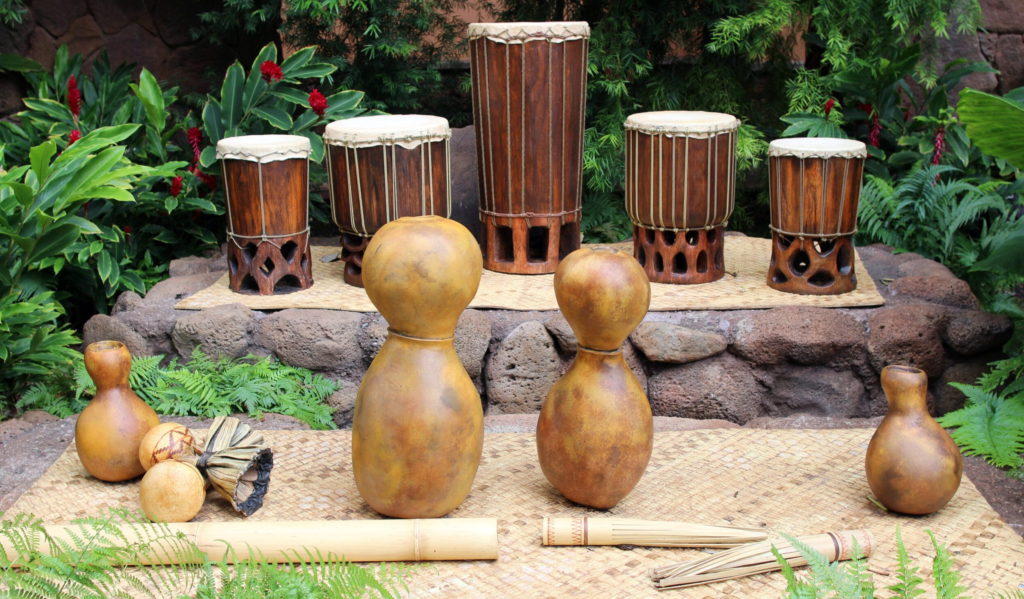
A major turning point in ukulele history occurred when Hawaiian royalty embraced the instrument. King David Kalākaua, often celebrated as the “Merrie Monarch,” played a crucial role in promoting Hawaiian arts and culture during his reign. He encouraged music, dance, and traditional cultural practices at royal gatherings and public events.
The monarch embraced the ukulele for its ability to complement Hawaiian melodies and enrich cultural dance traditions. As a result, the instrument gained prestige and visibility throughout Hawaiian society. Royal endorsement helped transform the ukulele from an immigrant adaptation into a symbol of Hawaiian identity. This support ensured that the instrument became deeply woven into the cultural fabric of the islands and preserved its place in Hawaiian traditions for future generations.
The Ukulele’s Rise in the United States
The ukulele’s popularity expanded dramatically beyond Hawaii during the early twentieth century. A key moment occurred at the Panama-Pacific International Exposition held in San Francisco in 1915. Hawaiian musicians performed for large audiences, showcasing the beauty and charm of Hawaiian music. Visitors were captivated by the distinctive sound of the ukulele, and demand for the instrument quickly increased across the mainland United States.
During the 1920s and 1930s, often referred to as the Jazz Age, the ukulele became one of America’s most popular instruments. Its affordability, portability, and ease of learning made it appealing to people from all backgrounds. Music publishers released instructional books, manufacturers increased production, and countless households welcomed a ukulele into their homes. This period established the instrument as a significant part of American musical culture.
Decline During the Rock and Roll Era
Like many musical trends, the ukulele experienced fluctuations in popularity. Following World War II, musical preferences began to shift. The emergence of rock and roll, combined with the growing popularity of electric guitars, changed the landscape of popular music.
By the 1960s and 1970s, the ukulele was often viewed as a novelty instrument rather than a serious musical tool. Many musicians gravitated toward larger and more versatile instruments. Although the ukulele remained present in Hawaiian culture and among dedicated enthusiasts, its mainstream visibility declined significantly. Nevertheless, the instrument never disappeared completely, and a loyal community of players continued to preserve its traditions.
The Modern Revival of the Ukulele
The modern revival represents one of the most exciting chapters in ukulele history. During the 1990s, Hawaiian musician Israel Kamakawiwoʻole introduced millions of listeners to the instrument through his heartfelt medley of “Somewhere Over the Rainbow” and “What a Wonderful World.” His performance demonstrated the emotional depth and expressive potential of the ukulele.
The rise of the internet further accelerated the instrument’s resurgence. Online tutorials, social media platforms, and video-sharing websites made learning the ukulele easier than ever before. Talented performers such as Jake Shimabukuro amazed audiences with advanced techniques that challenged stereotypes about the instrument’s limitations. As a result, the ukulele attracted a new generation of musicians and became popular in genres ranging from pop and folk to jazz and classical music.
Why the Ukulele Remains Popular Today
The enduring appeal of the ukulele stems from several factors. It is relatively affordable, lightweight, and beginner-friendly, making it an ideal choice for new musicians. The instrument’s warm and uplifting tone creates an immediate sense of enjoyment that encourages continued practice.
In addition, the ukulele’s versatility allows it to adapt to a wide variety of musical styles. Whether used for traditional Hawaiian melodies, contemporary pop songs, or sophisticated instrumental arrangements, the ukulele continues to prove its value. Its ability to bring people together through music ensures that its popularity remains strong across cultures and generations.
Conclusion
The ukulele history is a story of cultural fusion, artistic creativity, and global influence. Born from Portuguese musical traditions and transformed by Hawaiian craftsmanship, the ukulele evolved into one of the world’s most recognisable instruments. Supported by Hawaiian royalty, embraced by American audiences, and revived by modern musicians, it has overcome periods of decline to achieve lasting success. Today, the ukulele stands as a symbol of joy, community, and musical expression. Its remarkable journey demonstrates how cultural exchange can create something truly timeless, ensuring that the ukulele will continue inspiring musicians for generations to come.
FAQs
1. Who invented the ukulele?
The ukulele was developed in Hawaii by Portuguese craftsmen Manuel Nunes, Augusto Dias, and José do Espírito Santo, who adapted traditional Portuguese instruments into a new design.
2. What does the word ukulele mean?
The word ukulele is commonly translated as “jumping flea” in Hawaiian, although historians still debate the exact reason for the name.
3. Where did the ukulele originate?
The ukulele originated in Hawaii during the 1880s, inspired by small Portuguese string instruments brought by immigrants from Madeira.
4. Why is the ukulele associated with Hawaii?
The instrument became closely connected with Hawaiian culture through royal patronage, traditional music, and hula performances.
5. Why did the ukulele become popular again?
The modern revival was driven by influential musicians, online learning resources, and social media platforms that introduced the instrument to new audiences worldwide.
READ MORE: selftimes
