


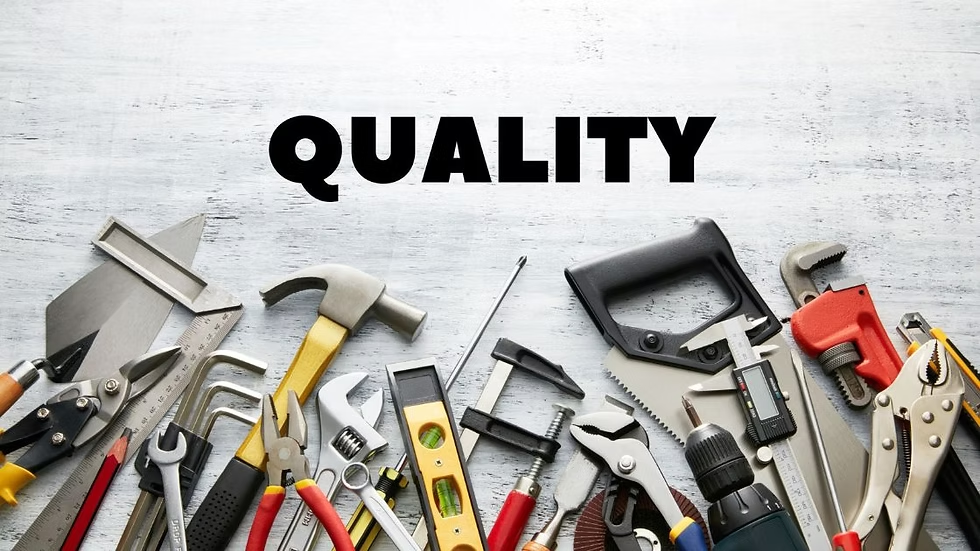
When professionals discuss reliability in hand tools, Klein tools often serve as a benchmark rather than just another brand. Across construction sites, electrical rooms, and industrial environments, Klein tools are known for their rugged construction, precise performance, and long service life. The brand has built a reputation not through marketing trends, but through consistent use by electricians, technicians, and skilled tradespeople who depend on their tools daily. Understanding Klein tools means looking beyond the logo and examining how design, materials, and real-world application come together to support professional work.
Brand Background and Industry Reputation
Klein Tools has earned its place as a respected manufacturer by focusing almost exclusively on professional-grade equipment. From its early beginnings serving electrical workers to its current global presence, the brand has maintained a strong identity rooted in craftsmanship and trade expertise. Unlike companies that diversify into unrelated consumer products, Klein Tools remains tightly aligned with professional needs. This focus has helped the brand develop trust within skilled trades, where reliability is not optional but essential for safety, efficiency, and long-term productivity.
Core Philosophy Behind Klein Tools
At the heart of Klein Tools is a philosophy centered on durability, safety, and task-specific design. Tools are not created to look impressive on a shelf; they are engineered to perform under physical stress, repeated use, and demanding environments. Handles are shaped for extended grip comfort, metals are selected for strength and wear resistance, and tolerances are designed to reduce slippage or failure. This practical approach reflects an understanding that professionals rely on tools as extensions of their hands, not disposable accessories.
Materials and Construction Quality
One of the defining features of Klein tools is material selection. Hardened steel alloys are commonly used to ensure cutting edges stay sharp and tool heads resist deformation. Insulated tools are manufactured to meet strict safety standards, providing protection when working near live electrical systems. Handles often incorporate multi-layer grips that balance firmness with comfort, reducing hand fatigue during long work sessions. These material choices directly impact tool lifespan, making Klein tools suitable for years of continuous use rather than short-term replacement cycles.
Precision and Ergonomic Design
Precision matters in professional work, and Klein tools are designed for accuracy. Screwdrivers are engineered to fit fasteners tightly, reducing cam-out and minimizing damage. Pliers and cutters are designed to deliver clean, controlled force, improving efficiency and safety. Ergonomics also play a significant role. Handle contours are shaped to support natural hand positions, while textured surfaces enhance grip even in challenging conditions. This combination of precision and comfort allows professionals to work longer with greater control.
Tools for Electrical and Technical Work
Klein Tools is particularly well known for its strong presence in the electrical and technical trades. Electricians rely on insulated hand tools, wire strippers, crimpers, and testers that meet industry standards and support safe work practices. These tools are designed to perform consistently across residential, commercial, and industrial environments. Clear markings, balanced weight, and reliable insulation help reduce risk and improve workflow. For many electricians, Klein tools are not just preferred but considered essential equipment.
Applications Across Skilled Trades
While electrical work remains a core area, Klein tools are widely used across multiple skilled trades. Technicians in telecommunications, HVAC, utilities, and maintenance rely on Klein products for cutting, fastening, measuring, and installation tasks. Construction professionals value hand tools that withstand daily wear, dust exposure, and varying temperatures. This versatility demonstrates how the brand adapts its designs to real-world job conditions rather than limiting its focus to a single trade.
Innovation Without Compromise
Innovation within Klein tools tends to be practical rather than experimental. New designs often refine existing tools rather than replace proven concepts. Improvements may include enhanced grip materials, stronger cutting edges, or redesigned joints to improve operational smoothness. This measured approach ensures that innovation enhances reliability instead of introducing unnecessary complexity. Professionals benefit from tools that evolve gradually while maintaining familiarity and dependable performance.
Quality Control and Manufacturing Standards
Consistency is critical in professional tools, and Klein tools emphasize quality control throughout production. Tools undergo testing to verify strength, alignment, and safety compliance before reaching users. Insulated tools are checked against electrical standards, while mechanical tools are tested for durability and performance under load. This focus on inspection and verification reduces the risk of defects and reinforces trust among professionals who rely on tools in high-stakes environments.
Longevity and Tool Maintenance
Another reason professionals favor Klein tools is their long service life when properly maintained. Basic practices such as cleaning tools after use, storing them in a dry environment, and inspecting cutting edges can significantly extend their lifespan. Because Klein tools are built with durable materials, they respond well to routine maintenance and do not require frequent replacement. This long-term value appeals to professionals who view tools as investments rather than consumables.
Professional Trust and Workplace Safety
Safety is a recurring theme in the design of Klein tools. Insulated handles, clear labeling, and secure grip designs all help reduce workplace risks. Tools that slip, break, or fail can cause serious injury, so professionals prefer brands with proven safety records. Klein tools support safer work practices by combining physical strength with thoughtful design features that help prevent accidents during demanding tasks.
Comparison to General-Purpose Tools
Compared with general-purpose or consumer-grade tools, Klein tools stand apart for construction and reliability. Consumer tools may perform adequately for occasional use, but they often lack the durability needed for daily professional work. Klein tools are designed to withstand repeated stress, making them better suited for trade environments where downtime and tool failure can have serious consequences. This distinction explains why many professionals remain loyal to the brand throughout their careers.
Why Professionals Continue to Choose Klein Tools
The continued popularity of Klein tools is rooted in consistency. Professionals know what to expect when they pick up a Klein tool: solid construction, reliable performance, and thoughtful design. This predictability builds confidence on the job and reduces distractions caused by tool issues. Over time, this trust becomes a defining factor, encouraging repeat use and long-term brand loyalty.
Conclusion
Klein tools are more than hand tools; they embody a professional standard defined by durability, safety, and real-world performance. Through careful material selection, ergonomic design, and a strong commitment to skilled trades, the brand has earned its reputation across industries. Whether used by electricians, technicians, or construction professionals, Klein tools continue to support demanding work environments where quality and reliability matter most.
READ MORE: selftimes
