

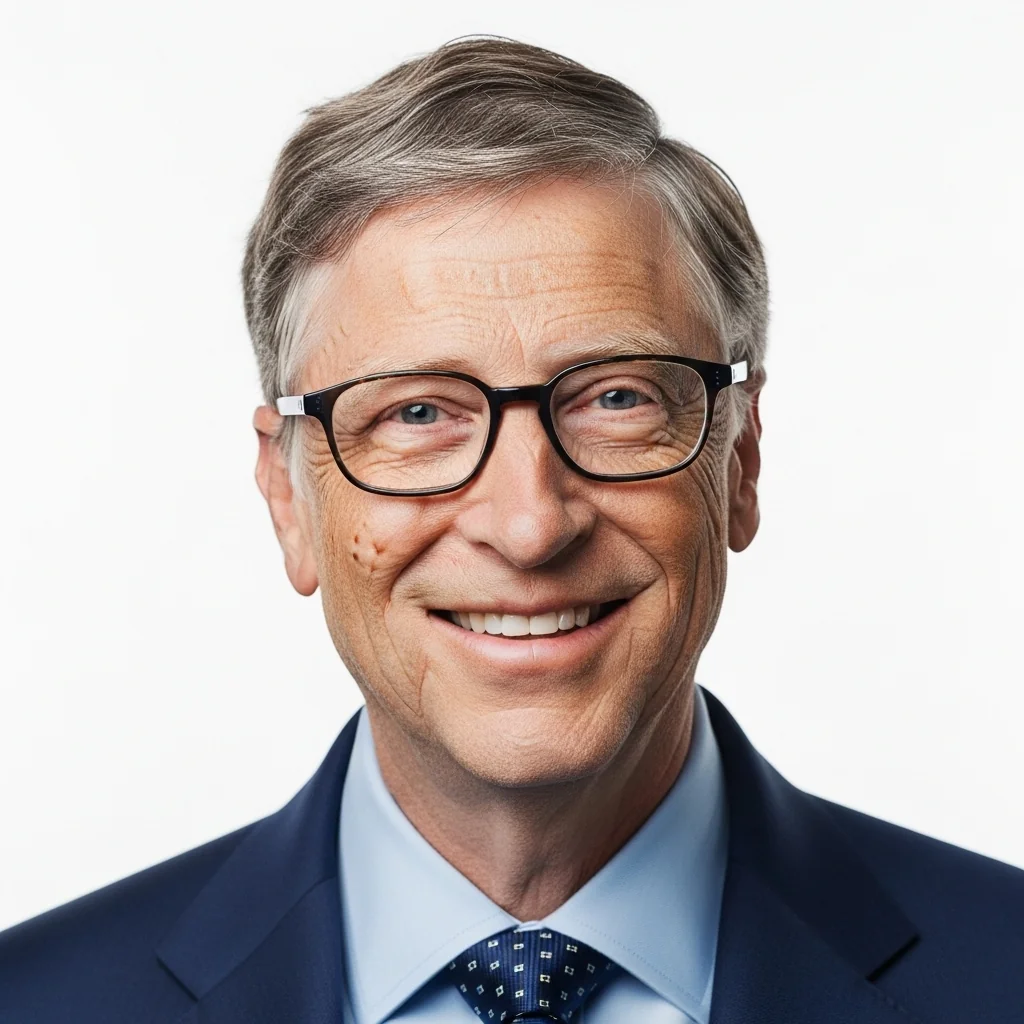
Most people hear about billionaires and the numbers feel unreal. A billion sounds big, but it is hard to picture what it really means in daily life. That is where the idea of spending Bill Gates’s money becomes interesting and useful. It turns a giant number into something you can play with, explore, and understand. Instead of just reading net worth figures, you imagine you are holding that money and making choices with it. What would you buy first? What would you build? How fast would the total drop? This kind of virtual spending exercise is not just fun. It also provides a strong sense of scale and shows how massive wealth behaves relative to real-world costs.
People enjoy this concept because it mixes curiosity with decision-making. You are not just clicking random items. You are considering value, impact, and constraints. Even when the money looks endless, you quickly learn that large projects burn through cash faster than expected. That lesson alone makes the exercise more than simple entertainment.
How the Spend Bill Gates Money Concept Works in Practice
The structure is straightforward to understand. You start with a huge virtual balance that represents billionaire-level wealth. After that, you’ll see a selection of items available for purchase.
These items usually range from small everyday objects to massive global projects. Each item has a price tag. Each time you make a selection, the cost is deducted from your balance. Hitting zero isn’t always the fundamental objective.
Sometimes the goal is to see how much impact you can create before the money runs out.
When people try to spend Bill Gates’s money, they often start with luxury items because those are exciting and easy to imagine. But after a few big purchases, the smarter players shift toward investments, infrastructure, and social projects. That is where the experience becomes more thoughtful. You start asking better questions. Should I build ten hospitals or one advanced research center? Should I fund clean water systems or large housing programs? The exercise gradually shifts from a shopping spree to a planning exercise.
Why This Virtual Spending Exercise Is So Popular
There is something powerful about interacting with numbers instead of just reading them. When users try to spend a billionaire-sized fortune, they discover how pricing works at scale. A private jet may seem expensive until you compare it with a nationwide transportation network. A sports complex looks large until you compare it to a whole university system. These comparisons stick in the mind.
Another reason this idea is popular is that it removes risk. You can explore bold choices without real loss. You can test wild plans, large builds, and global projects safely. That freedom encourages creative thinking. Many teachers and trainers also use this type of model to teach economics, budgeting, and public planning because students stay engaged longer when they actively choose rather than passively read.
Innovative Ways to Spend Virtual Billions
Once the excitement subsides, more innovative strategies emerge. Many users decide to divide their virtual funds into categories. A portion goes to infrastructure, another to technology, another to public services, and another to future-focused innovation. This approach mirrors how large foundations and global organizations often plan their funding.
When people carefully spend Bill Gates’ money, they often discover that long-term systems create more value than flashy one-time purchases. For example, building a network of medical centers across regions usually has a longer-lasting impact than building a single, ultra-expensive facility. Creating teacher training institutes may produce more change than building a single giant school campus. These insights come naturally when users compare cost versus reach.
Planning also becomes more realistic. Instead of buying randomly, users start modeling impact. They think in terms of how many people benefit per dollar spent. That shift from buying to building marks the moment where the exercise becomes truly educational.
Fun Luxury Choices People Usually Try First
Even with thoughtful planning, most people still enjoy testing luxury options early on. It is part of the fun. Large homes, private islands, mega yachts, and custom-built cities often appear at the top of spending lists. These items help users quickly grasp the scale of wealth. Spending hundreds of millions in a few clicks creates a strong mental anchor.
But something interesting happens after those early luxury rounds. Many users are surprised by how quickly the total drops when buying extreme items repeatedly. That surprise often pushes them to rebalance their choices. They are beginning to integrate luxury into legacy projects. The pattern changes from pure enjoyment to balanced allocation.
Luxury choices are not useless in this model. They help show how lifestyle spending compares with structural expenditure. Seeing both sides gives a fuller picture of wealth behavior.
Building Large Public Projects Instead of Personal Assets
One of the most meaningful paths in this exercise is public benefit spending. Users often choose to build hospitals, research labs, water systems, housing programs, and education networks. These choices feel different from personal purchases because the value spreads across communities rather than remaining private.
When you try to spend Bill Gates’ money on public systems, you begin to understand why large-scale change needs both money and planning. It is not enough to fund a project once. Many systems need operating budgets, maintenance, training, and expansion. That realization adds depth to the experience. It shows that real impact requires ongoing support, not just initial funding.
This part of the exercise often yields the most valuable learning experience. Users stop thinking like shoppers and start thinking like planners.
Business and Innovation Spending Paths
Another popular route is funding for business creation and innovation. Instead of buying finished assets, users invest in building new companies, research centers, manufacturing plants, and technology labs. This route focuses on growth rather than ownership.
Funding innovation spreads risk across many projects. Some succeed, some fail, but the total system moves forward. That pattern reflects how large investors often operate. Users learn that not every dollar should chase guaranteed returns. Some funds should explore new ideas and new solutions.
This path also teaches patience. Innovation spending rarely shows instant, visible results. It builds capacity instead of immediate output.
Common Mistakes People Make While Spending Huge Virtual Wealth
Most first-time users make similar mistakes. They overspend too quickly on giant items without checking cumulative totals. They ignore operating costs. They duplicate projects within the same area rather than spreading benefits across regions. They chase impressive price tags instead of meaningful outcomes.
Another mistake is a lack of structure. Without categories or limits, spending becomes random. The balance drops, but the impact stays unclear. Once users switch to planned allocation, the experience improves a lot. Even simple rules, such as percentage-based spending, can improve outcomes.
Mistakes are helpful here because they are safe. Users can restart and try again with a better strategy.
Educational Value Behind the Experience
This model works well in learning environments because it turns abstract numbers into visible consequences. Students understand budgeting more quickly when they see trade-offs directly. Teachers can ask practical questions, such as how many clinics equal one space program or how many schools equal one stadium-sized build.
The exercise supports math, planning, and social awareness. It also improves critical thinking. Instead of memorizing figures, learners evaluate choices.
Because the system is interactive, attention stays higher than with static lessons.
Creating Your Own Spending Strategy
The most effective way to approach the challenge is to set goals before making purchases. Decide what matters most. Divide the total into major buckets. Track each decision. Adjust after every few purchases. This turns the process into guided exploration instead of random clicking.
People who plan before they spend Bill Gates’s money usually report greater satisfaction with their final results. Their virtual portfolio appears balanced and purposeful rather than scattered.
A simple written plan improves outcomes more than most people expect.
Final Thoughts on Spend Bill Gates Money With Smart and Fun Virtual Buying Choices
What begins as a fun thought experiment often turns into a lesson about scale, responsibility, and smart allocation. Virtual billionaire spending shows how fast money moves at the top level and how important planning becomes when numbers grow large. It blends curiosity with strategy, turning imagination into structured decision-making.
The real value is not in pretending to be rich. The real value lies in learning how ample resources behave when combined with significant decisions. That insight stays useful long after the game ends.
READ MORE: selftimes
