


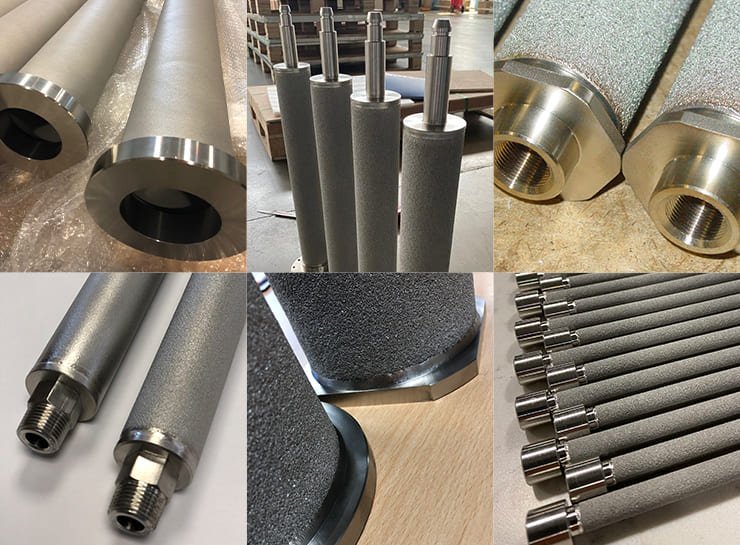
Sintered stainless steel filters are used in many industries for cleaning liquids and gases. They are made by heating metal powder until it bonds together without melting. This creates a strong filter with small holes for trapping particles. In this article, we will look at the main advantages of these filters. We will cover each one in detail to help you understand why it is a good choice for your needs.
High Strength with Long Service Life
One big advantage of sintered stainless steel filters is their durability. These filters last a long time because they are made from strong stainless steel. The sintering process makes the material tough, allowing it to withstand rough conditions without breaking.
In everyday use, this means less need to replace the filter often. For example, in factories where machines run all day, a durable filter saves money on new parts. It also reduces downtime when you have to stop work to change a filter.
The structure of these filters helps them stay strong. The bonded particles create a solid piece that resists wear from flow or pressure. Tests show they can last for years in harsh settings, such as oil or chemical processing.
Compared to other filters, like those made from paper or plastic, sintered ones do not tear or degrade quickly. This makes them reliable for long-term use.
Built to Resist Corrosion
Another key benefit is their corrosion resistance. Stainless steel contains elements like chromium that protect it from rust and chemical damage.
This is important in places where filters come into contact with water, acids, or salts. For instance, in food processing or water treatment, corrosion can quickly ruin a filter. But sintered stainless steel holds up well.
The smooth surface from sintering also helps. It prevents buildup that could lead to corrosion over time. Cleaning is easy, which keeps the filter in good shape.
In marine or outdoor uses, this resistance means the filter stays effective even in wet or salty air. It cuts down on maintenance costs and keeps operations smooth.
High Temperature Tolerance
Sintered stainless steel filters can handle high temperatures without losing their shape or function. They work well up to 600 degrees Celsius or more, depending on the grade.
This is useful in industries such as aerospace and automotive, where heat is common. For example, in engine systems, filters must remain intact under high-temperature conditions.
Unlike plastic filters that melt or warp, these metal ones remain stable. This allows them to be used in processes involving steam or hot gases.
The ability to withstand heat also means they can be cleaned using high-temperature methods, such as steam sterilization. This is key in the medical or pharma fields for maintaining cleanliness.
Easy to Clean and Reuse
These filters are easy to clean, allowing you to reuse them many times. You can clean the filter by flushing water or air through it to clear out the particles caught inside.
This reusability saves money because you do not buy new filters often. In contrast, disposable filters add up in cost over time.
Cleaning methods are simple. For light dirt, a rinse works. For tougher buildup, ultrasonic cleaning or chemicals can be used without harming the filter.
In labs or breweries, this feature keeps things efficient. You clean and reuse, reducing waste and helping the environment.
Precise Filtration
Sintered stainless steel filters offer precise filtration. The sintering process controls pore size, so you can choose how fine the filter is.
This means they catch particles of specific sizes, from large debris to tiny contaminants. In water purification, this ensures clean output.
The uniform pores give consistent results. Every part of the filter works the same, unlike woven filters that might have uneven spots.
For applications like gas separation or oil filtration, precision is vital. It prevents clogs and maintains flow rates.
You can get filters with different ratings, such as 1 micron or 100 microns, to match your needs.
Strong Mechanical Performance
The mechanical strength of these filters is high. They can handle high pressure while keeping their shape intact.
In systems with pumps or high flow, this strength prevents collapse. For example, in hydraulic systems, filters must withstand pressure spikes.
The solid construction from sintering makes them rigid. They do not bend or break easily.
This strength also allows custom shapes, such as discs or tubes, to fit specific equipment.
Compatibility with Many Chemicals
Sintered stainless steel works with many chemicals. It remains stable and does not react with most acids, bases, or chemical solvents.
This compatibility is great for chemical plants or labs. You can use the filter without worrying about it breaking down.
In comparison, other materials might swell or dissolve in certain chemicals. But stainless steel stays neutral.
This broad range of uses makes it versatile for different tasks.
Saves Money in the Long Run
While the upfront cost might be higher, these filters are cost-effective in the long run: their long life and reusability lower overall expenses.
You spend less on replacements and labor for changes. In big operations, this adds up to big savings.
Also, less waste means better for the budget and the planet.
Sustainable Filtration Benefits
Using sintered stainless steel filters helps the environment. Since they last long and can be reused, you throw away less.
This reduces landfill waste from disposable filters. Also, stainless steel can be recycled at the end of its life.
In green industries, this is a plus. Companies aim to cut waste, and these filters support that goal.
Applications in Various Industries
These filters are used in many fields. In the oil and gas industry, they filter fuels and lubricants.
In pharmaceuticals, they ensure drug purity. Food and beverage makers use them for clear liquids.
Water treatment plants rely on them for clean water. Even in aerospace, they filter air and fuels.
This wide use shows their reliability.
For specific needs, like a sintered stainless steel filter disc, you can find options that fit exact requirements.
Finding the Ideal Filter Option
When choosing a sintered stainless steel filter, consider your needs. Consider the temperature, pressure, and what you are filtering.
Determine the pore size for the desired filtration level. Also, check the size and shape to fit your system.
Quality matters. Buy from trusted sources like https://nesiafilter.com/ for good products.
Simple Care and Upkeep Tips
To get the most from your filter, maintain it well. Clean the filter regularly, depending on how often it is used.
Inspect for damage now and then. Keep it in a dry area when it is not being used.
Follow maker guidelines for best results.
Overall Insight
Sintered stainless steel filters have many advantages. They are durable, corrosion-resistant, heat-resistant, and easy to clean. They provide precise filtration and strength. Over time, they save money and help the environment.
These features make them a smart choice for many uses. If you need reliable filtration, consider these filters for your setup.
READ MORE: selftimes
