


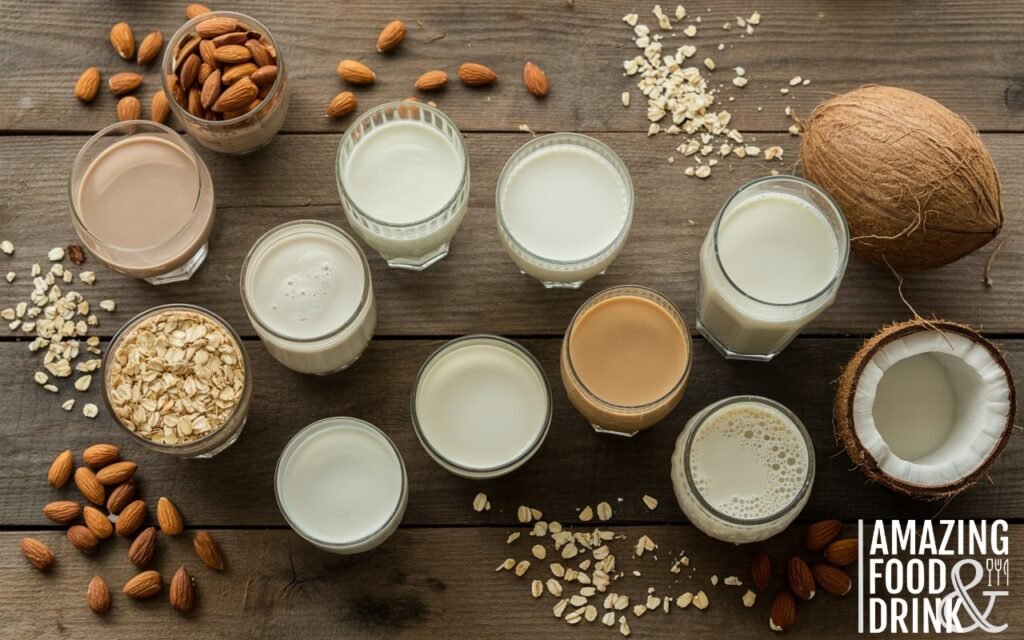
Non-dairy milk has moved from being a niche alternative to a mainstream household staple. Once primarily associated with people who avoided traditional dairy for dietary reasons, it is now widely consumed by individuals seeking variety, digestive comfort, or plant-based nutrition. Supermarkets and cafés around the world now stock multiple non-dairy milk options, reflecting changing food habits and growing awareness about ingredients, nutrition, and sustainability.
This article provides a detailed, human-written explanation of non-dairy milk, exploring its types, nutritional benefits, production methods, and practical everyday uses without unnecessary complexity or exaggeration.
What Is Non-Dairy Milk?
Non-dairy milk refers to beverages made from plant-based sources that are used as substitutes for traditional dairy milk. Unlike animal-based milk, these alternatives are derived from nuts, grains, seeds, or legumes and are processed to achieve a liquid consistency similar to dairy milk. While they are commonly called “milk,” non-dairy milk does not naturally contain lactose or animal proteins.
This distinction makes it suitable for people with lactose intolerance or those who prefer plant-based options. Over time, manufacturers have refined production techniques to improve taste, texture, and nutritional value, making non-dairy milk a practical everyday beverage rather than a specialty product.
Why Non-Dairy Milk Has Gained Popularity
The rising popularity of non-dairy milk is driven by several practical factors rather than trends alone. Digestive comfort is a significant reason, as many people experience bloating or discomfort after consuming dairy milk. Others prefer plant-based foods as part of a balanced diet that emphasizes variety and moderation. Non-dairy milk also appeals to consumers who value ingredient transparency and want more control over what they consume. Additionally, the wide availability of different flavors and textures has made it easier for people to switch without sacrificing taste or usability.
Common Types of Non-Dairy Milk
Non-dairy milk comes in a wide variety, each offering a unique combination of flavor, texture, and nutritional profile. Almond milk is one of the most widely used options, known for its light texture and mild taste. Soy milk is another popular choice, valued for its higher protein content and creamy consistency.
Oat milk has gained attention for its naturally smooth texture, making it especially suitable for hot beverages and cooking. Coconut milk, often used in both beverages and recipes, provides a richer mouthfeel and subtle sweetness. Rice milk is thinner and naturally sweet, while cashew and other nut-based milks offer a balance between creaminess and neutrality. The diversity of non-dairy milk allows consumers to choose options that best fit their dietary needs and culinary preferences.
How Non-Dairy Milk Is Made
The production of non-dairy milk generally follows a straightforward process, though details vary by ingredient. Most varieties begin with soaking the base ingredient, such as nuts or grains, to soften it and improve blending. The soaked ingredient is then blended with water until smooth, creating a liquid mixture.
This mixture is strained to remove solids, resulting in a milk-like beverage. Commercial non-dairy milk often includes added vitamins, minerals, or stabilizers to improve shelf life and nutritional value. Homemade versions tend to be simpler, containing fewer ingredients and having a shorter shelf life. This basic production method contributes to the clean and approachable nature of non-dairy milk.
Nutritional Profile and Fortification
The nutritional value of non-dairy milk depends heavily on its base ingredient and whether it is fortified. Naturally, some varieties are low in calories, while others provide more fats or carbohydrates. For example, almond milk is typically low in calories, while oat milk contains more carbohydrates that contribute to its creamy texture.
Soy milk stands out for its protein content, making it nutritionally closer to traditional dairy. Many commercial non-dairy milk products are fortified with calcium, vitamin D, and vitamin B12 to match or exceed the nutritional profile of dairy milk. These additions make non-dairy milk a reliable option for people looking to maintain balanced nutrient intake.
Health Considerations and Digestive Benefits
One of the main advantages of non-dairy milk is its suitability for people with lactose intolerance or dairy sensitivity. Since it contains no lactose, it is generally easier to digest. Non-dairy milk also allows individuals to avoid specific animal-based components without compromising their daily routines. Some varieties are naturally low in saturated fat, which can be appealing for those mindful of overall dietary balance.
However, it is essential to read labels, as some flavored versions may contain added sugars. Choosing unsweetened non-dairy milk can help maintain control over sugar intake while still enjoying the benefits of plant-based alternatives.
Taste and Texture Differences
Taste and texture play a significant role in how non-dairy milk is used. Each type offers a distinct sensory experience that influences its suitability for different purposes. Almond milk tends to be light and slightly nutty, while oat milk is thicker and more neutral in flavor. Soy milk has a fuller body and works well in recipes that require structure. Coconut milk delivers a creamy texture with a gentle tropical flavor.
These differences are not drawbacks but instead features that allow non-dairy milk to adapt to various preferences and applications. Understanding these characteristics helps consumers choose the right option for specific needs.
Everyday Uses of Non-Dairy Milk
Non-dairy milk is remarkably versatile and can be used in nearly all situations where dairy milk is traditionally used. It works well in coffee and tea, providing creaminess without overpowering flavor when the right type is chosen. In cooking and baking, non-dairy milk can be substituted in sauces, soups, pancakes, and desserts with minimal adjustment. It is also commonly used in smoothies, cereals, and overnight oats. The adaptability of non-dairy milk makes it easy to incorporate into daily routines without requiring significant changes to recipes or habits.
Non-Dairy Milk in Cooking and Baking

In cooking, non-dairy milk performs well in both savory and sweet dishes. Oat and soy milk are often preferred for sauces due to their thicker consistency and stability when heated. Almond and rice milk are better suited for lighter recipes where a delicate flavor is desired. Baking with non-dairy milk generally yields results similar to those with dairy milk, especially when recipes are adjusted slightly for moisture and sweetness. Over time, many home cooks find that non-dairy milk becomes a natural part of their kitchen, rather than a special substitute.
Environmental and Production Considerations
Another reason non-dairy milk continues to grow in popularity is its perceived environmental advantages. While production methods vary, plant-based milk generally requires fewer resources than animal-based alternatives. Water usage, land requirements, and overall production impact tend to be lower for many non-dairy milk varieties.
This does not mean all options are identical, but it does highlight why many consumers view non-dairy milk as a more resource-conscious choice. Awareness of production practices has encouraged thoughtful consumption and increased interest in ingredient sourcing.
Choosing the Right Non-Dairy Milk
Selecting the best non-dairy milk depends on individual priorities such as taste preference, nutritional needs, and intended use. Reading ingredient lists can help identify products with minimal additives and no unnecessary sweeteners. For beverages, texture and flavor are key considerations, while cooking may require a more neutral or stable option. Storage is another factor, as shelf-stable and refrigerated varieties offer different levels of convenience. By understanding these factors, consumers can confidently choose non-dairy milk that aligns with their lifestyle.
Common Misconceptions About Non-Dairy Milk
Despite its popularity, non-dairy milk is sometimes misunderstood. A common misconception is that it lacks nutritional value, but this is inaccurate when fortified options are considered. Another assumption is that all non-dairy milks taste the same, overlooking the wide range of flavors and textures available. Some believe it is only for people with specific dietary restrictions, but in reality, many people enjoy the variety and flexibility it offers. Clarifying these misconceptions helps normalize non-dairy milk as a regular food choice rather than an alternative reserved for specific groups.
The Growing Role of Non-Dairy Milk in Modern Diets
Non-dairy milk has become an integral part of modern food culture, not because it replaces dairy entirely, but because it expands choice. Its presence in homes, cafés, and recipes reflects a broader shift toward flexible eating habits. People are increasingly comfortable mixing traditional and plant-based foods, guided by preference and practicality rather than strict rules. Non-dairy milk fits seamlessly into this approach, offering options without demanding compromise.
Conclusion
Non-dairy milk has earned its place as a versatile, practical, and widely accepted beverage. With a range of types to choose from, clear nutritional benefits, and adaptability in everyday use, it serves as more than just a substitute for dairy milk. Whether used for digestive comfort, culinary variety, or balanced nutrition, non-dairy milk offers accessible solutions for modern diets. Understanding its types, production, and uses helps consumers make informed choices and confidently incorporate non-dairy dairy into their daily routines.
READ MORE: Self Times
