


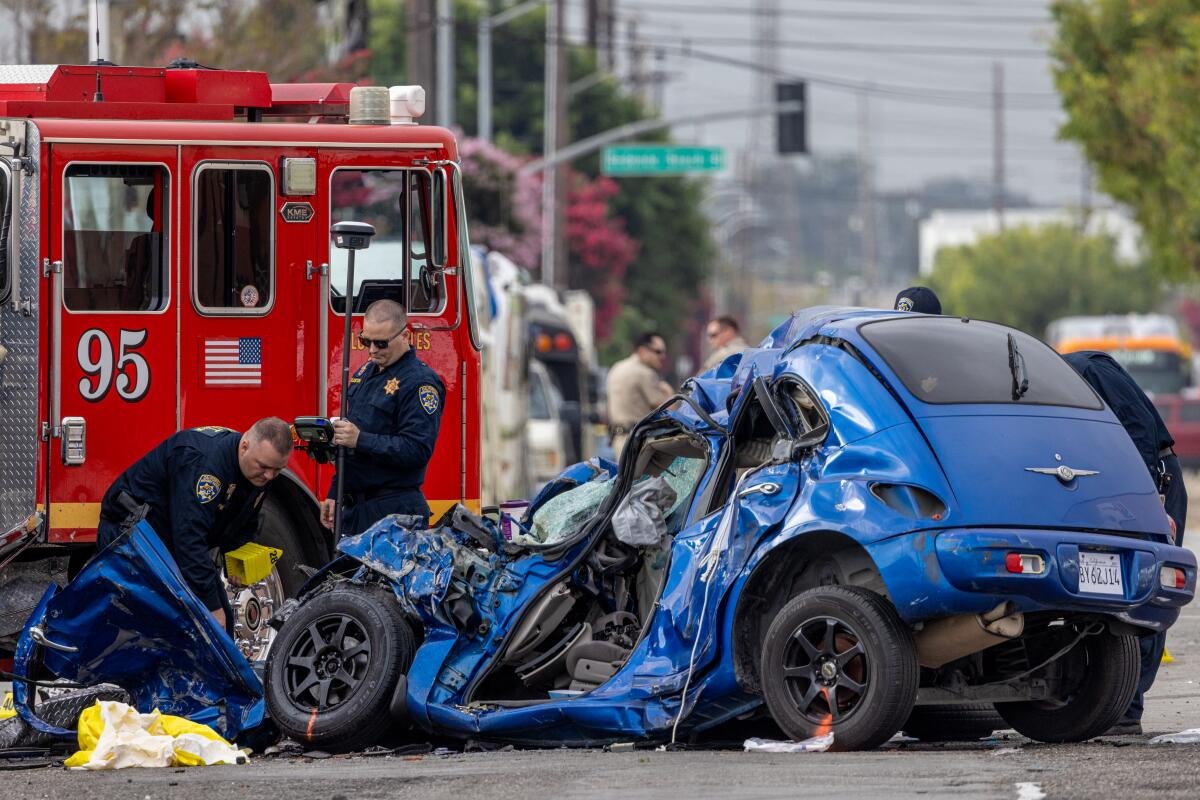
A Los Angeles car crash can quickly shift from a routine traffic incident into a significant public concern, especially in a city known for its dense road networks, high traffic volume, and fast-moving highways. Los Angeles sees thousands of collisions every year, but inevitable crashes stand out for their severity, location, or the number of people involved. This article provides a detailed, human-written breakdown of a recent Los Angeles car crash, explaining what happened, where it occurred, how authorities responded, and what investigators are now examining as the situation continues to unfold.
Overview of the Los Angeles Car Crash
The Los Angeles car crash drew immediate attention after emergency services were dispatched to the scene following reports of a severe collision involving multiple vehicles. Witnesses described a sudden impact that brought traffic to a standstill and prompted a rapid response from police, firefighters, and paramedics. While car accidents are unfortunately common in large metropolitan areas, this incident quickly escalated due to reported injuries, road closures, and the scale of the emergency response.
Authorities confirmed that the crash occurred during a busy period, increasing the risk to surrounding drivers and pedestrians. The combination of traffic congestion and high vehicle speeds complicated the incident, making it a priority for local law enforcement and city officials.
Where and When the Crash Occurred
The crash took place in a heavily traveled area of Los Angeles, known for frequent congestion and complex intersections. The incident occurred during peak travel hours, when commuters, delivery vehicles, and public transportation compete for limited road space. According to early reports, visibility was normal, and weather conditions were not considered extreme, prompting a shift of focus to other potential contributing factors.
Roadways in this part of Los Angeles are often under pressure due to ongoing construction, lane reductions, or high traffic volume. These conditions can increase the likelihood of sudden stops, aggressive lane changes, and rear-end or side-impact collisions, all of which are common in major urban crashes.
Vehicles Involved in the Collision
The Los Angeles car crash involved multiple vehicles, including passenger cars and at least one larger vehicle, which may have intensified the impact. Authorities have not released full details about each vehicle involved, but preliminary information suggests that the collision began when one vehicle lost control, triggering a chain reaction.
Multi-vehicle crashes are particularly dangerous because they increase the risk of secondary impacts. Drivers approaching the scene often have little time to react, especially in high-speed or congested areas. Investigators are examining whether braking distance, vehicle condition, or driver reaction time contributed to the severity of the crash.
How the Crash Unfolded
According to witness accounts, the incident began abruptly when one vehicle appeared to swerve or brake suddenly. This unexpected movement prompted nearby drivers to react quickly, resulting in multiple collisions within seconds. The impact damaged several cars and partially blocked lanes, creating an immediate traffic disruption.
In the aftermath, drivers and bystanders rushed to check on those involved, while emergency calls flooded local dispatch centers. The chaotic nature of the scene made it difficult to determine the full extent of injuries until first responders arrived and secured the area.
Injuries and Medical Response
Injuries were reported shortly after the Los Angeles car crash occurred. Emergency medical teams assessed victims at the scene before transporting several individuals to nearby hospitals for further treatment. While authorities have not confirmed all injury details, reports indicate a range of conditions, from minor injuries to more serious trauma requiring urgent care.
Medical responders emphasized the importance of quick access to the scene, which was hindered by traffic congestion. Their ability to reach injured individuals promptly was crucial in stabilizing victims and preventing further complications.
Emergency Services and Law Enforcement Action
Police, fire crews, and paramedics responded within minutes of receiving the first calls. Law enforcement officers immediately secured the crash site, closed affected lanes, and redirected traffic to prevent secondary accidents. Firefighters assisted with vehicle extractions when doors were damaged or blocked, ensuring trapped occupants could be safely removed.
The coordinated response highlighted the importance of emergency preparedness in a city as large as Los Angeles. Multiple agencies worked together to manage the scene, assist victims, and begin the initial investigation while ensuring public safety.
Traffic Disruptions and Local Impact
The Los Angeles car crash caused significant traffic delays, with lanes closed for several hours as crews cleared debris and investigators documented the scene. Drivers in the surrounding area experienced long delays, and some routes were temporarily closed.
Local businesses and residents were also affected, particularly those near the crash site. Noise from emergency vehicles, temporary access restrictions, and rerouted traffic disrupted everyday daily routines. City officials urged drivers to avoid the area and use alternate routes until the scene was fully cleared.
What Authorities Are Investigating
Investigators are now focused on determining the exact cause of the Los Angeles car crash. Early assessments include reviewing traffic camera footage, examining vehicle damage, and interviewing drivers and witnesses. Authorities are also evaluating whether speed, distracted driving, or mechanical failure contributed to the collision.
While weather was not considered a significant factor, road design and traffic flow are also being reviewed. In complex urban environments, even minor design issues can increase accident risk, particularly during high-traffic periods.
Statements From Officials
Local officials released statements acknowledging the seriousness of the incident and praising the swift response of emergency services. Law enforcement emphasized that the investigation is ongoing and urged the public to avoid speculation until all facts are confirmed.
Officials also reminded drivers of the importance of cautious driving, particularly in congested areas where sudden stops and unexpected maneuvers are more likely. These reminders are especially relevant in Los Angeles, where daily commutes often involve heavy traffic and time pressure.
Safety Lessons From the Los Angeles Car Crash
Every Los Angeles car crash serves as a reminder of the risks associated with urban driving. High traffic density, aggressive driving behaviors, and constant distractions increase the likelihood of serious accidents. Safety experts often stress the importance of maintaining safe following distances, staying alert, and avoiding sudden lane changes whenever possible.
This incident reinforces the need for continued investment in road safety measures, including improved signage, traffic monitoring, and public awareness campaigns. Reducing accidents in a city as large as Los Angeles requires a combination of infrastructure improvements and responsible driving behavior.
Ongoing Updates and What Comes Next
As investigators continue their work, additional updates about the Los Angeles car crash are expected. These may include confirmation of injury conditions, final determinations regarding the cause, and any potential citations or charges if negligence is found.
For now, authorities are focused on completing a thorough investigation and restoring normal traffic flow. The incident remains a sobering example of how quickly conditions on busy city roads can change and why vigilance behind the wheel is always essential.
Final Thoughts
The Los Angeles car crash underscores the realities of driving in one of the country’s busiest cities. While accidents cannot always be prevented, understanding how they occur and learning from each incident can help reduce future risks. As more information becomes available, officials hope that transparency and public awareness will contribute to safer roads for everyone.
READ MORE: Self Times
