

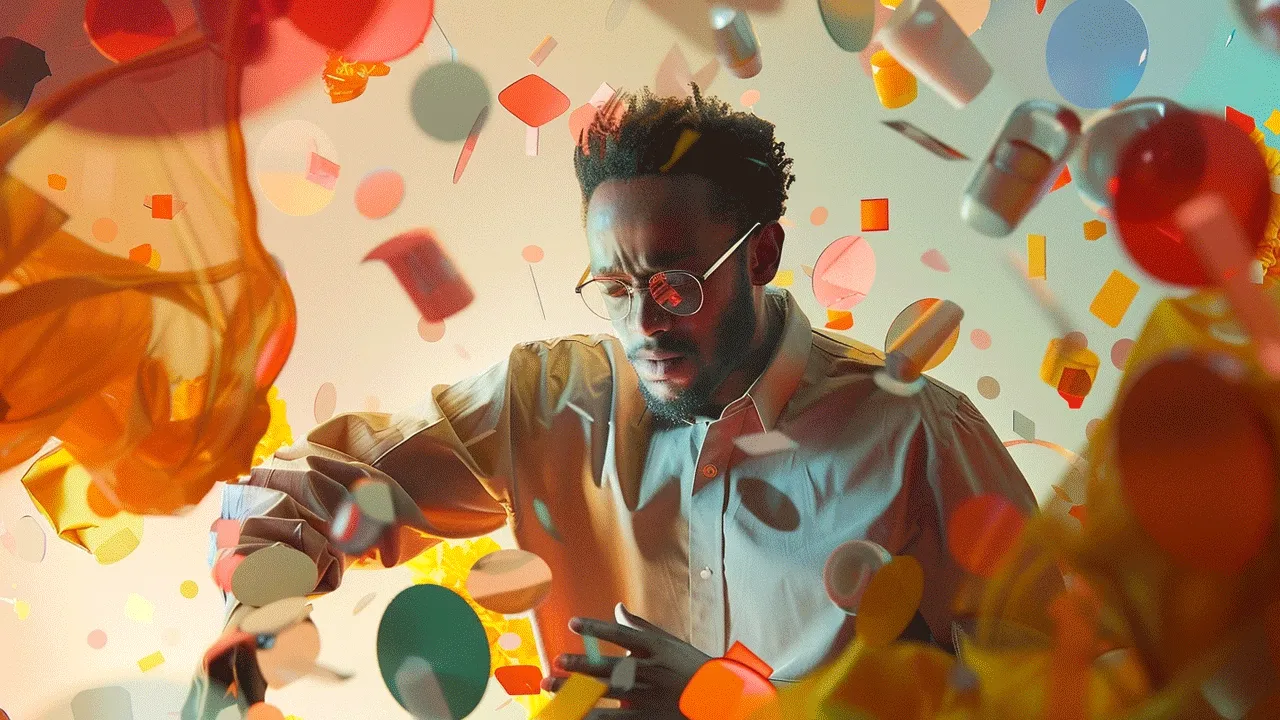
Digital art has become one of the most exciting and accessible creative fields of the modern era. With the right tools and a willingness to experiment, anyone can explore powerful visual ideas without the limitations of traditional materials. Whether you are just starting out or already experienced, developing strong digital art ideas is essential for growth, originality, and confidence. This article explores practical, imaginative, and skill-building digital art ideas that help artists at every level expand their creativity and refine their style.
Understanding the Foundation of Digital Art Ideas
Before diving into specific concepts, it is essential to understand what makes a digital art idea effective. A strong idea does not always mean complexity; it often comes from clarity, intention, and thoughtful execution. Digital art allows artists to combine illustration, design, color theory, and storytelling in ways that feel both personal and modern. Beginners often focus on learning tools, while professionals refine ideas through deeper themes and advanced techniques. In both cases, the idea serves as the backbone of the artwork, guiding composition, color, and mood.
Digital Art Ideas for Beginners to Build Confidence
For beginners, digital art ideas should focus on simplicity and repetition. Creating basic shapes, line art, and clean silhouettes helps build control and familiarity with digital tools. Drawing everyday objects such as cups, plants, books, or tools can be surprisingly effective. These subjects allow artists to practice proportions, shading, and layering without feeling overwhelmed.
Another beginner-friendly approach is recreating simple scenes from daily life. A desk setup, a window view, or a quiet room can become excellent digital practice subjects. These ideas encourage observation and patience, which are critical skills in digital art. Over time, repeating such exercises builds muscle memory and confidence while helping beginners develop their own creative rhythm.
Exploring Character-Based Digital Art Ideas
Character creation is one of the most popular and rewarding digital art ideas for artists of all levels. Beginners can start with basic head shapes, facial expressions, and simple body poses. Focusing on emotions rather than perfection allows creativity to flow naturally. Experimenting with different eye shapes, hairstyles, and outfits helps artists understand how small changes affect personality.
For professionals, character-based digital art ideas often involve storytelling and world-building. Designing characters with backstories, occupations, or environments adds depth to the artwork. Professionals may explore stylized anatomy, dynamic poses, and expressive lighting to further their designs. Character art remains a powerful way to communicate ideas visually and emotionally.
Digital Art Ideas Inspired by Nature and the Environment
Nature offers endless inspiration for digital art ideas. Landscapes, plants, skies, and natural textures provide opportunities to study light, depth, and color harmony. Beginners can start with simple natural elements like leaves, clouds, or stones. These subjects are forgiving and allow experimentation with brushes and blending modes.
More experienced artists may focus on expansive environments such as forests, deserts, or imaginary natural worlds. Playing with weather conditions, lighting times, and atmospheric effects can transform a simple scene into a dramatic composition. Nature-based digital art ideas also encourage mindfulness and observation, helping artists slow down and connect with their surroundings.
Abstract Digital Art Ideas for Creative Freedom
Abstract digital art ideas remove the pressure of realism and open the door to pure expression. For beginners, working with shapes, gradients, and color combinations is a great way to understand composition without worrying about accuracy. Abstract art encourages intuition, making it ideal for breaking creative blocks.
Professionals often use abstract digital art to explore concepts such as balance, rhythm, and contrast. Layering textures, experimenting with opacity, and combining geometric and organic forms can lead to unique visual styles. Abstract digital art ideas are beneficial for artists looking to develop a recognizable aesthetic or expand beyond representational work.
Digital Art Ideas for Skill Development and Practice
Not all digital art ideas need to result in finished pieces. Many are best used for practice. Lighting studies, color palettes, and texture experiments help artists strengthen specific skills. For example, creating the same object under different lighting conditions teaches how light affects form and mood.
Another effective practice is speed art, in which artists set a time limit to complete a piece. This encourages decision-making and reduces overthinking. Professionals often use such exercises to stay sharp and flexible. Skill-focused digital art ideas are essential for continuous improvement, regardless of experience level.
Concept-Based Digital Art Ideas for Storytelling
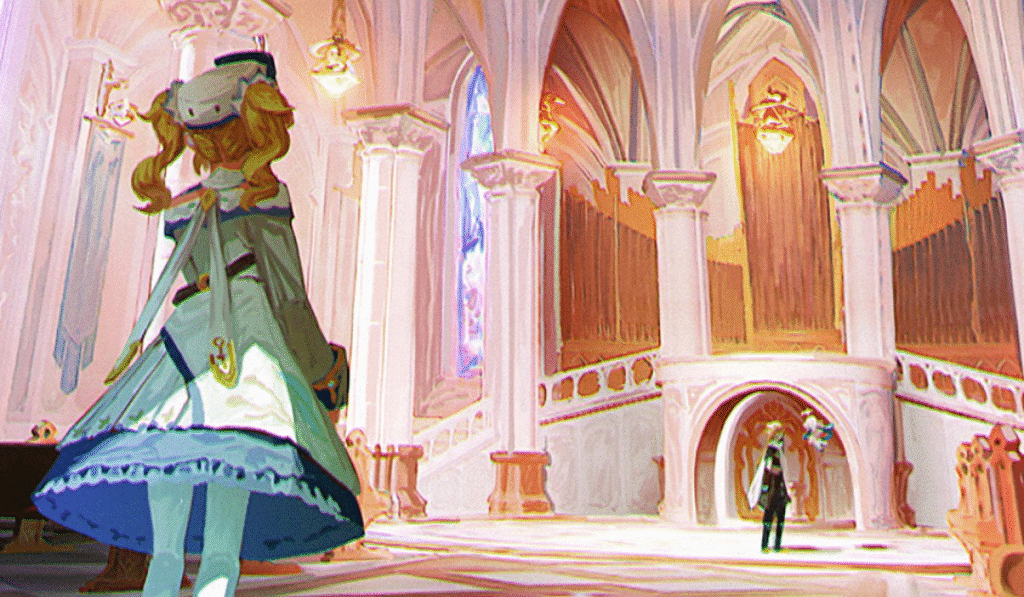
Concept art focuses on visual storytelling and idea communication. Beginners can start by illustrating simple concepts such as “a quiet place,” “a busy workspace,” or “a peaceful morning.” These ideas help artists think beyond individual objects and consider atmosphere and emotion.
For professionals, concept-based digital art ideas often involve designing imaginary worlds, environments, or scenarios. These pieces combine composition, lighting, and narrative elements to convey a complete idea. Concept art is widely used across the creative industries, making it a valuable area for artists seeking to build strong portfolios.
Digital Art Ideas for Portfolio Growth
Building a portfolio requires intentional digital art ideas that showcase skills and versatility. Beginners should focus on consistency, selecting ideas that highlight progress and learning. Creating a small themed series, such as portraits or environments, can demonstrate dedication and improvement.
Professionals often design portfolio pieces around specific strengths or career goals. This might include advanced character design, detailed environments, or polished illustrations. Thoughtful digital art ideas ensure each piece serves a purpose and clearly communicates artistic identity.
Experimenting With Style and Technique in Digital Art
One of the most significant advantages of digital art is the freedom to experiment. Trying different brushes, color schemes, and workflows can lead to unexpected discoveries. Beginners benefit from practicing styles, helping them understand how various techniques are executed.
Professionals may intentionally break their own habits by experimenting with new approaches. This could involve switching color palettes, simplifying shapes, or exploring minimalism. Style experimentation keeps creativity fresh and prevents artistic stagnation, making it essential for developing digital art ideas.
Turning Digital Art Ideas Into a Personal Creative Process
The ultimate goal of exploring digital art ideas is to develop a personal creative process. This involves understanding what inspires you, how you work best, and what themes resonate most strongly. Keeping a digital sketchbook or idea list can help capture inspiration before it fades.
Over time, patterns will emerge in your work, revealing your unique artistic voice. Both beginners and professionals benefit from reflecting on their ideas and progress. Digital art is not just about tools or techniques; it is about expression, curiosity, and continuous growth.
Conclusion
Innovative digital art ideas play a crucial role in shaping an artist’s journey, whether at the beginner or professional level. By exploring simple concepts, practicing skill-focused exercises, and experimenting with style and storytelling, artists can unlock new creative possibilities. Digital art offers flexibility, freedom, and endless inspiration, making it one of the most dynamic forms of modern creativity. With consistent practice and thoughtful ideas, anyone can transform imagination into compelling digital artwork.
READ MORE: selftimes
