


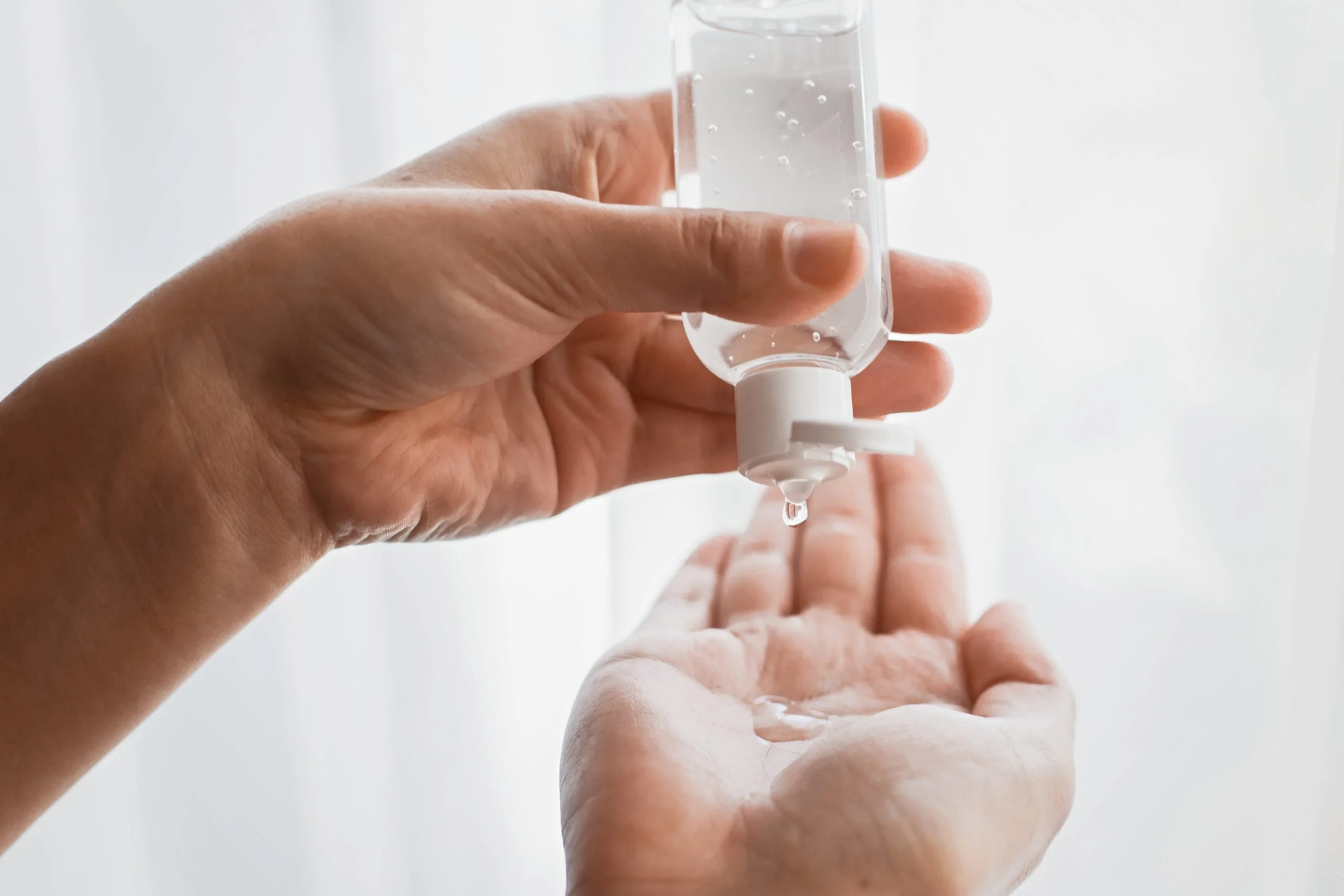
Denatured alcohol is a type of ethanol that has been chemically modified to make it unsafe for human consumption. This alteration is done by adding substances that produce a bitter taste, a strong odor, or toxic effects if ingested. These additives discourage people from drinking it, while still allowing industries and households to use it for many practical purposes. Because of its versatility, denatured alcohol plays a vital role in cleaning, manufacturing, and other everyday tasks.
Understanding what it is and how it works can help you use it more confidently and safely. Many people encounter it without realizing it, especially in products like cleaning solutions, fuel for small stoves, and even in cosmetic or pharmaceutical manufacturing. But the key point is that it is not the same as drinking alcohol, and should never be taken internally. Once alcohol has been denatured, it becomes suitable only for commercial, industrial, and household use.
What Makes Alcohol “Denatured”
To understand denatured alcohol, it helps to look at how it becomes different from regular ethanol. Ethanol in its pure form is drinkable. However, when certain chemicals are added, it becomes denatured. The purpose of denaturing is to make ethanol unfit for drinking without changing its ability to serve as a solvent or fuel. Various additives can be used, including methanol, isopropyl alcohol, acetone, pyridine, or other bitter or toxic agents. These ingredients do not need to be present in large amounts to be effective. Even small percentages can make a significant difference.
These additives are chosen because they alter the alcohol in a way that prevents misuse while keeping costs lower. If denatured alcohol were not used, industries would have to rely on drinkable ethanol, which is taxed at much higher rates. Denaturing keeps prices reasonable for companies and customers who need alcohol for cleaning, manufacturing, or fuel. While formulas vary around the world, the goal remains the same: make it safe for work, not for drinking.
Types of Denatured Alcohol
There are several forms of denatured alcohol, and each one serves different needs. One category is completely denatured alcohol, which includes additives that make it toxic, bad-tasting, and foul-smelling. This type is mainly used for industrial applications. Another category is specially denatured alcohol, which is used in cosmetic, pharmaceutical, ink, and cleaning product formulations. This version may contain additives that are not as strong as those in industrial blends, but it is still unsafe for drinking.
There is also a type often used as a fuel for small burners, camping stoves, and heaters. Although it is still denatured, it burns cleanly and is easy to store. Different industries rely on specific formulas that match legal requirements and safety needs, so you may see different labels when you shop for denatured alcohol. Understanding these types can help you choose the right one for your project.
Common Uses of Denatured Alcohol
Denatured alcohol has many uses in everyday life. One of the most familiar uses is as a cleaning agent. It acts as a strong solvent that can remove grease, ink, glue, and other stubborn stains from surfaces such as metal, glass, and some plastics. Many homeowners and cleaners keep a bottle of denatured alcohol on hand for removing sticky label residue or cleaning tools and equipment. Woodworkers rely on it when restoring furniture, because it dissolves shellac and prepares wood surfaces for refinishing. It is also used as a fuel source, particularly in camping stoves and indoor ethanol heaters.
It burns with a clean flame and produces very little soot, making it suitable for cooking when electricity or gas is unavailable. Laboratories use denatured alcohol for sterilizing equipment, while factories include it in processes such as printing, paint production, coating, and adhesives. It is also helpful for glass cleaning and window maintenance because it evaporates quickly, leaving no streaks. This wide range of uses demonstrates its value across different fields.
Safety and Handling Guidelines
Because denatured alcohol contains additives, it must be handled with care at all times. It is highly flammable, which means it can easily catch fire when exposed to sparks, open flames, or high heat. Proper ventilation is essential when using it indoors, because breathing excessive fumes may lead to headaches, dizziness, or nausea. Protective gloves and eyewear are recommended to avoid skin and eye irritation. If it comes into contact with skin, it may cause dryness or redness, particularly for people with sensitive skin.
It should never be stored near stoves, furnaces, or other heat-generating equipment. It is also essential to keep it out of reach of children and pets due to its toxic properties. Spill cleanup should be done quickly, and cloths soaked with denatured alcohol should be disposed of safely to reduce the risk of fire. Proper labeling is essential so that no one mistakes it for drinkable alcohol.
Environmental Considerations
When used and disposed of responsibly, denatured alcohol is considered relatively safe for the environment. However, improper disposal can lead to soil and water contamination. It is not recommended to pour denatured alcohol down household drains, outdoor soil, or directly into bodies of water. Instead, small amounts should be evaporated in a well-ventilated area, or you can take them to a hazardous waste collection facility.
Some people look for less harmful alternative products. Still, denatured alcohol remains a preferred choice in many industries because it evaporates quickly and does not leave long-term chemical residue when used correctly. Businesses and laboratories usually follow strict guidelines for storage, handling, and disposal to minimize environmental impact.
Choosing the Right Denatured Alcohol
Selecting the right denatured alcohol depends on your specific needs. For basic household cleaning, many general-purpose blends work well on glass, metal, and finished wood. If you are refinishing furniture, look for a formulation proven to dissolve shellac effectively. Those who need it for fuel should check that the product is labeled specifically for burners or camping stoves. Reading product labels is essential, as different mixtures contain different additives, and some are better suited for specific surfaces. Buying from trusted manufacturers also ensures consistency and safety. While price is a factor, the quality and chemical composition should always be your main priority.
Frequently Asked Questions
Is denatured alcohol the same as rubbing alcohol?
No, they are different. Rubbing alcohol usually contains isopropyl alcohol or a combination of isopropyl alcohol and water. Denatured alcohol is ethanol with chemical additives that make it undrinkable.
Can denatured alcohol be used on all surfaces?
Not always. It works well on glass, metal, and some plastics, but it may damage certain paints, rubber materials, and unfinished wood.
Does denatured alcohol expire?
When stored properly in a sealed container, it has a long shelf life. Still, always check the bottle for any changes in scent or clarity.
Is denatured alcohol safe for skin?
Direct skin contact is not recommended. It can cause irritation or dryness.
Conclusion
Denatured alcohol is a valuable and reliable product widely used in homes, workshops, and industries. It is a versatile cleaner, an effective solvent, and a valuable fuel source. Although it comes from ethanol, it should never be consumed, and safe handling is essential due to its toxicity and flammability. When used responsibly, denatured alcohol offers practical benefits that make everyday tasks easier, whether you are cleaning windows, refinishing furniture, or powering a camping stove. With the proper knowledge and safety practices, it can be an essential tool in many situations.
READ MORE: selftimes
