


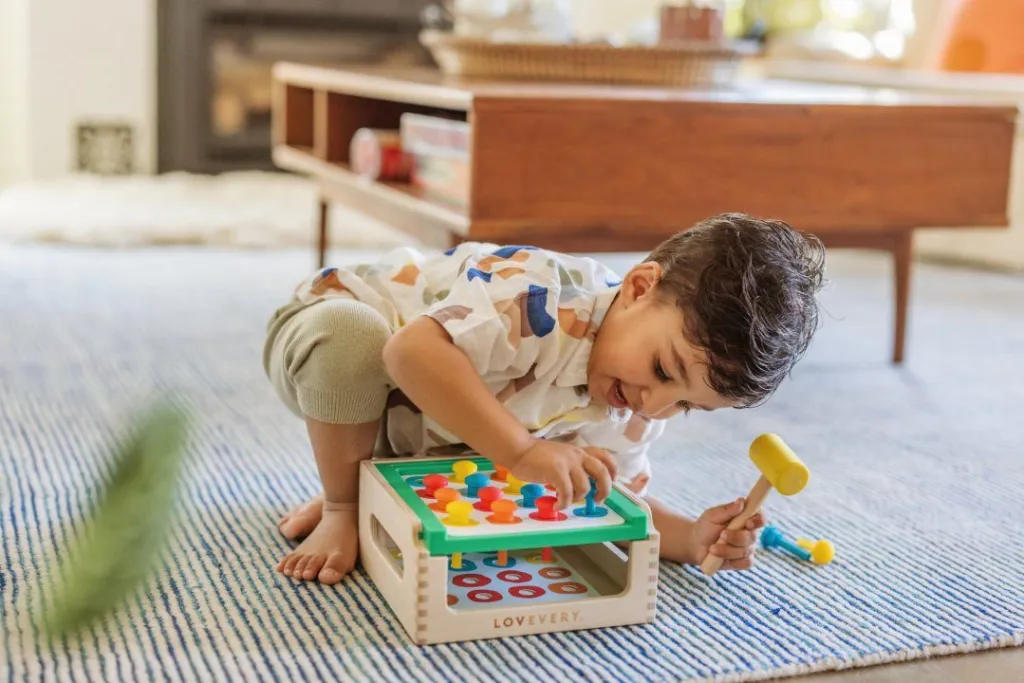
Choosing the right baby toys at six months is more than just finding something colorful or entertaining. At this stage, babies are experiencing rapid physical, sensory, and cognitive development.
The toys they interact with can shape how they learn to move, explore, and understand the world around them. Parents today are increasingly thoughtful about selecting baby toys that are not only safe but also meaningful, engaging, and developmentally supportive. This is why many families turn to the best baby toys aligned with Montessori principles that encourage natural learning through play.
This article offers a detailed, human-written guide to baby toys, with a specific focus on toys for 6-month-olds and Montessori toys. It explains what makes a toy truly beneficial, how Montessori-inspired designs support early development, and how to choose toys that balance fun with purpose.
Understanding Development at 6 Months
At six months old, babies are no longer passive observers. They are active participants in their environment, using their hands, eyes, and mouths to explore everything they encounter. Many babies at this age can sit with minimal support, roll over confidently, and reach for objects with growing coordination. Grasping skills are improving, and curiosity is stronger than ever.
Baby toys for 6 months should reflect these developmental changes. Toys that encourage reaching, holding, transferring objects from one hand to another, and exploring different textures are especially valuable. Sensory development is also advancing rapidly, with babies learning to process touch, sight, and movement in more complex ways. The best baby toys at this stage support these milestones without overwhelming the child.
Why Choosing the Right Baby Toys Matters
Not all baby toys are created equal. While many products on the market promise entertainment, fewer are designed with a baby’s actual developmental needs in mind. The right baby toys can help strengthen fine motor skills, improve hand-eye coordination, and foster early problem-solving abilities. They also help babies build focus and confidence as they learn through trial and exploration.
Poorly designed toys, on the other hand, may overstimulate babies with excessive lights, sounds, or complicated features that do little to support learning. Thoughtfully chosen baby toys offer simplicity, purpose, and room for exploration, allowing babies to engage at their own pace.
What Makes the Best Baby Toys for 6 Months
The best baby toys for six-month-old babies share a few essential qualities. First and foremost, safety is non-negotiable. Toys should be made from non-toxic materials, free from small parts, and durable enough to withstand chewing, dropping, and repeated handling.
Beyond safety, good baby toys are age-appropriate and open-ended. They allow babies to interact in multiple ways rather than dictating how play should happen. Simple designs often outperform complex ones because they encourage imagination, curiosity, and repeated use.
Texture, weight, and shape also matter. Toys that feel comfortable in small hands and offer gentle resistance help babies refine their grip and coordination. The best baby toys grow with the child, remaining engaging even as skills develop.
Montessori Baby Toys and Their Philosophy
Montessori baby toys are rooted in the idea that children learn best through hands-on exploration and independent discovery. Rather than passively entertaining babies, Montessori toys encourage them to engage actively with their environment. These toys are typically made from natural materials like wood and fabric and feature simple, realistic designs.
For babies, Montessori baby toys emphasize sensory exploration, movement, and cause-and-effect learning. They are intentionally free from flashing lights or loud noises, allowing babies to concentrate fully on the task at hand. This calm approach supports focus, patience, and deeper engagement, even at a very young age.
Parents often choose Montessori baby toys because they align with a child-centered learning approach. Instead of directing play, these toys allow babies to lead, explore, and repeat activities as often as they wish.
Sensory Baby Toys for Early Exploration
Sensory play is a cornerstone of development at six months. Babies learn by touching, squeezing, mouthing, and examining objects closely. Sensory baby toys provide varied textures, gentle sounds, and visual contrast that stimulate curiosity and encourage exploration.
Soft fabric toys, textured balls, and simple wooden objects with smooth and rough surfaces are excellent examples of baby toys that support sensory development. These toys help babies understand differences in texture, temperature, and weight, building awareness of the physical world.
Montessori baby toys often excel in this area because they focus on real-world sensory experiences rather than artificial stimulation. This approach helps babies develop more refined sensory processing skills over time.
Baby Toys That Support Motor Skill Development
At six months, motor skills are developing rapidly. Babies are learning to sit more steadily, roll with purpose, and reach for objects with intention. Baby toys designed to support these skills encourage movement and coordination without forcing specific outcomes.
Grasping toys, stacking rings, and simple blocks help strengthen hand muscles and improve control. Toys that can be rolled, lifted, or transferred from one hand to another promote bilateral coordination and spatial awareness.
The best baby toys support these movements naturally. Montessori baby toys, in particular, are designed to match a baby’s current abilities while gently encouraging progression to new skills.
The Role of Simplicity in Montessori Baby Toys
One of the defining features of Montessori baby toys is simplicity. Rather than overwhelming babies with multiple functions, these toys focus on a single concept or skill. This clarity helps babies concentrate and engage more deeply with the activity.
Simple toys also allow babies to independently discover cause and effect. For example, a basic stacking toy teaches balance and coordination without instructions or distractions. This kind of play builds confidence as babies learn through repetition and self-correction.
Parents often notice that simple baby toys hold their child’s attention longer than flashy alternatives. This sustained focus is a key benefit of Montessori-inspired play.
How to Choose Baby Toys That Grow With Your Child
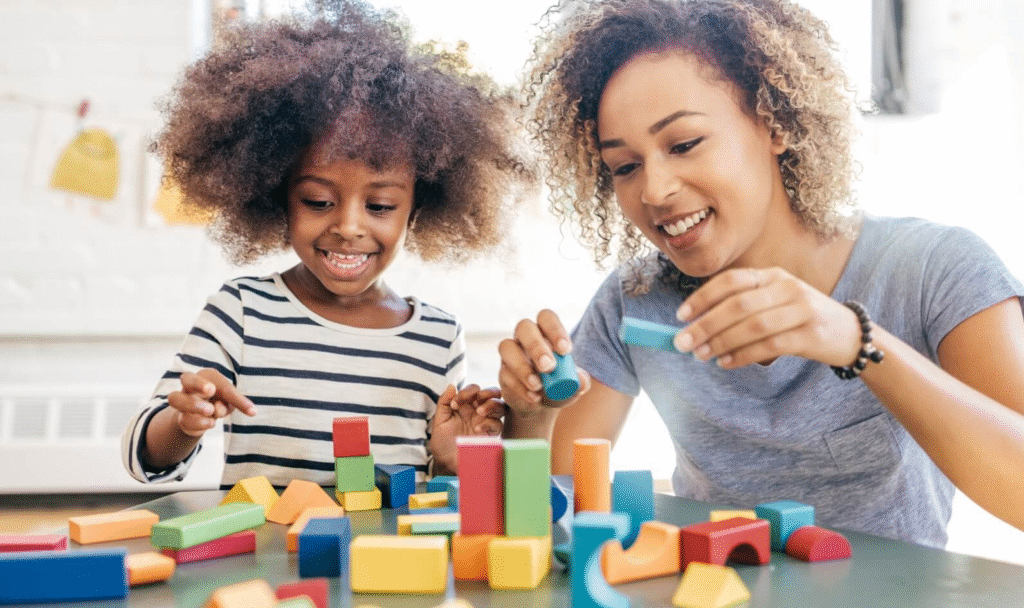
When selecting baby toys for 6 months, it is helpful to think beyond the immediate stage. The best baby toys are those that remain useful as a child’s skills evolve. A toy that supports grasping today may later be used for sorting, stacking, or imaginative play.
Montessori baby toys are especially effective in this regard because they are designed for long-term use. Their open-ended nature allows children to interact with them in new ways as they grow, extending their value and reducing the need for constant replacement.
Choosing versatile baby toys also encourages sustainability and mindful consumption, which many modern parents value.
Safety Considerations When Selecting Baby Toys
Safety should always guide decisions about baby toys. For six-month-old babies, toys must be large enough to prevent choking and sturdy enough to withstand teething. Smooth edges, secure construction, and non-toxic finishes are essential.
Regular inspection of baby toys is also essential. Even high-quality toys can wear out over time, and damaged items should be removed promptly. Montessori baby toys, often made from solid materials, are generally more durable, but they still require routine checks.
Supervised play remains essential at this age, ensuring that babies can explore safely while gaining independence.
Encouraging Learning Through Everyday Play
Baby toys are most effective when combined with a supportive play environment. Parents and caregivers can enhance learning by thoughtfully offering toys, observing how the baby interacts, and allowing uninterrupted playtime. Rather than constantly introducing new toys, rotating a small selection can maintain interest and reduce overstimulation.
Talking to babies about what they are doing, naming objects, and responding to their cues helps reinforce learning. Montessori-inspired play encourages adults to observe rather than direct, trusting the baby’s natural curiosity to guide exploration.
Through consistent, mindful play, baby toys become tools for building skills, confidence, and a sense of discovery.
Why Montessori Baby Toys Are a Smart Choice
Many parents find that Montessori baby toys align well with their goals for early development. These toys support independence, concentration, and meaningful engagement without relying on artificial entertainment. They respect a baby’s natural pace and encourage exploration through hands-on experience.
For baby toys at 6 months, Montessori-inspired designs balance simplicity, safety, and developmental value. They help babies build foundational skills that support later learning, making them a thoughtful investment in early childhood.
Conclusion
Choosing the best baby toys for six months is an opportunity to support your child’s growth in a meaningful way. At this stage, babies benefit most from toys that encourage sensory exploration, motor skill development, and independent discovery. Montessori baby toys stand out for their simplicity, durability, and alignment with natural learning processes.
By focusing on quality over quantity and selecting baby toys that are safe, engaging, and developmentally appropriate, parents can create a play environment that nurtures curiosity and confidence. Whether you are exploring baby toys for 6 months or looking for long-term options, thoughtful choices today can make a lasting difference in your baby’s early learning journey.
READ MORE: Self Times
