


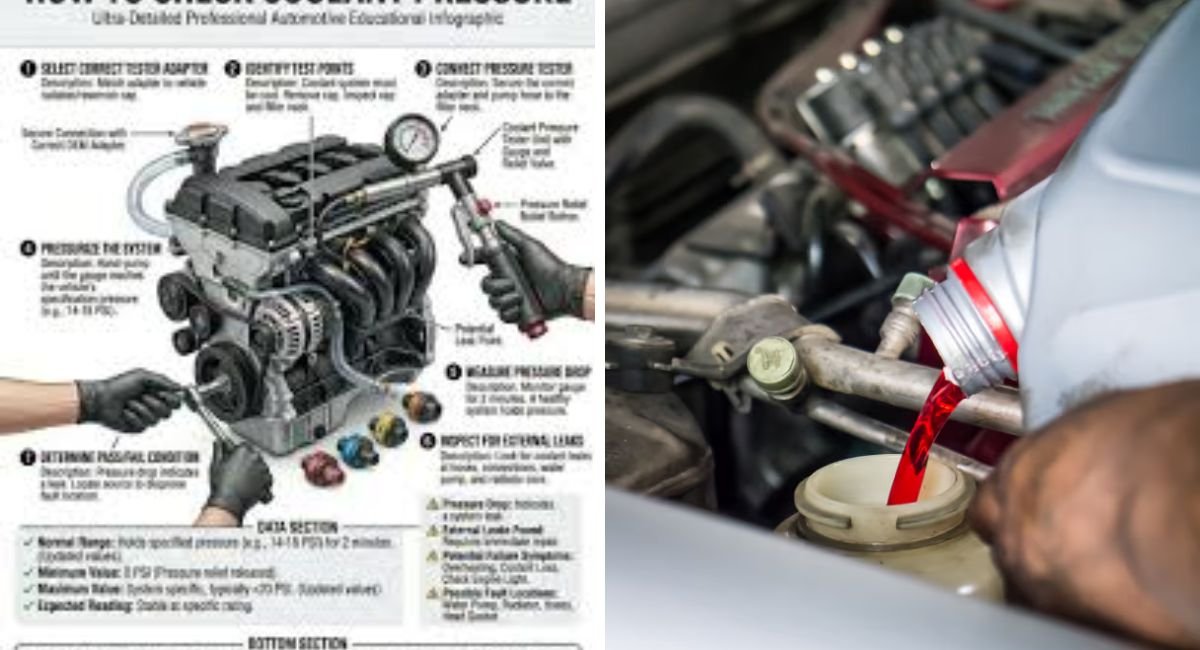
Every vehicle owner should understand how to check transmission fluid because it is one of the simplest yet most important maintenance tasks for preserving the health of a vehicle’s transmission system. Whether you are a new driver, an experienced car enthusiast, or someone who simply wants to avoid costly repair bills, knowing how to inspect transmission fluid can help identify potential issues before they become serious problems. The transmission is responsible for transferring power from the engine to the wheels, and without the proper amount of clean fluid, the entire system can suffer from overheating, poor shifting performance, and premature wear. Learning this basic maintenance skill can save money, improve vehicle reliability, and extend the lifespan of your transmission.
Understanding Transmission Fluid and Its Role in Vehicle Performance
Transmission fluid is a specially formulated lubricant designed to cool, clean, and protect the internal components of a transmission. In automatic transmissions, the fluid also serves as a hydraulic medium that enables smooth gear changes and efficient power transfer. Over time, transmission fluid can become contaminated with dirt, metal particles, and heat-related degradation, reducing its effectiveness. When fluid levels become low or the fluid quality deteriorates, drivers may notice symptoms such as delayed shifting, slipping gears, unusual noises, or transmission overheating. This is why understanding how to check transmission fluid is essential for maintaining vehicle performance and preventing expensive mechanical failures.
Signs That Your Transmission Fluid Needs Attention
Before checking the transmission fluid, it is helpful to recognise the warning signs that may indicate a problem. One of the most common symptoms is difficulty shifting gears, especially in automatic vehicles. Drivers may also experience rough gear engagement, hesitation during acceleration, or grinding sensations. In some cases, a burning smell may develop due to overheated transmission fluid. Leaks beneath the vehicle can also signal a low fluid condition. Healthy transmission fluid is generally red, pink, or light amber, depending on the vehicle and fluid type. If the fluid appears dark brown, black, or has a burnt odour, it may be time for a fluid change. Monitoring these indicators helps vehicle owners address issues before major damage occurs.
How to Check Transmission Fluid in an Automatic Vehicle
The process of checking transmission fluid is relatively straightforward for vehicles equipped with a transmission dipstick. Start by positioning your vehicle on a flat, even surface and firmly applying the parking brake.
Start the engine and allow it to reach normal operating temperature by driving for several minutes or letting it idle. Many manufacturers recommend checking transmission fluid while the engine is running because fluid levels can vary when the engine is off.
Next, open the hood and locate the transmission dipstick. It is often marked with a brightly colored handle and is separate from the engine oil dipstick. Carefully remove the dipstick and wipe it clean using a lint-free cloth. Reinsert it fully into the tube and then remove it again to obtain an accurate reading. Observe the fluid level and compare it to the markings on the dipstick. A proper reading will show the fluid within the specified level indicators.
While checking the level, inspect the fluid’s colour and smell. Clean transmission fluid should appear relatively clear and should not have a burnt odour. If the level is low, add only the manufacturer-recommended fluid through the dipstick tube using a funnel.
Checking Transmission Fluid in Sealed Transmissions
Many modern vehicles use sealed transmissions that do not include a traditional dipstick. These systems are designed to reduce contamination and minimise maintenance requirements. However, checking fluid levels in sealed transmissions can be more challenging. The procedure often involves lifting the vehicle safely and removing a fill or inspection plug while the transmission is in a specific temperature range. Because specialised tools and diagnostic equipment may be required, many drivers prefer to have sealed transmission systems inspected by a qualified mechanic. Nevertheless, understanding that sealed systems still require occasional fluid inspections is an important part of responsible vehicle ownership.
Checking Fluid Levels in a Manual Transmission
Manual transmissions use a different method for checking fluid levels. Instead of a dipstick, manual gearboxes typically feature a fill plug located on the side of the transmission housing. To inspect the fluid, the vehicle must be safely raised and supported. After removing the fill plug, the fluid level should be at or near the bottom edge of the opening. If the fluid is below this point, additional fluid may be necessary. Because access can be limited and safety is critical when working beneath a vehicle, some owners choose professional service for this procedure. Still, knowing how to check transmission fluid in a manual transmission can help drivers maintain optimal gearbox performance.
Common Mistakes to Avoid When Checking Transmission Fluid
Several mistakes can lead to inaccurate readings or maintenance issues. One of the most common errors is checking the fluid on an uneven surface, which can result in misleading fluid level measurements. Another mistake is checking the fluid when the transmission is cold if the manufacturer specifies a warm inspection. Overfilling the transmission is also problematic because excess fluid can create foam, increase operating temperatures, and interfere with proper hydraulic pressure. Additionally, using the wrong type of transmission fluid can cause serious damage to internal components. Always consult the owner’s manual to verify the correct procedure and fluid specifications for your specific vehicle.
How Often Should Transmission Fluid Be Checked?
Transmission fluid should generally be checked during routine vehicle maintenance intervals. Many automotive experts recommend inspecting the fluid at least once every month or before long road trips. Regular inspections allow drivers to detect leaks, contamination, or fluid loss before they affect transmission performance. While some vehicles may operate for extended periods without fluid issues, consistent monitoring remains one of the best preventive maintenance practices. Drivers who frequently tow heavy loads, drive in extreme temperatures, or encounter stop-and-go traffic may benefit from more frequent checks.
Benefits of Regular Transmission Fluid Inspections
Regular transmission fluid inspections offer numerous advantages. They help identify leaks early, reduce the risk of overheating, improve shifting performance, and extend transmission life. Preventive maintenance is almost always less expensive than major repairs or transmission replacement. In addition, maintaining proper fluid levels contributes to smoother driving experiences and improved fuel efficiency. By making transmission fluid checks a routine habit, vehicle owners can protect one of the most expensive and complex systems in their automobiles.
Conclusion
Learning how to check transmission fluid is a valuable skill that every vehicle owner should possess. Whether you drive an automatic vehicle with a dipstick, a modern sealed transmission, or a manual transmission, understanding the correct inspection process helps ensure reliable operation and long-term durability. Regular checks allow you to monitor fluid condition, detect potential problems early, and avoid costly repairs. By following manufacturer recommendations and paying attention to fluid quality and level, you can keep your transmission performing efficiently for many years.
Frequently Asked Questions (FAQs)
1. How Frequently Should Transmission Fluid Be Inspected?
It is generally recommended to check transmission fluid at least once a month and before long trips to ensure proper levels and condition.
2. What colour should healthy transmission fluid be?
Healthy transmission fluid is usually red, pink, or light amber and should appear relatively clear.
3. Can low transmission fluid damage my vehicle?
Yes, low transmission fluid can cause overheating, poor shifting performance, excessive wear, and potentially severe transmission damage.
4. Should the engine be running when checking transmission fluid?
For many automatic vehicles, yes. Always refer to your owner’s manual for the correct procedure.
5. What should I do if my transmission fluid smells burnt?
A burnt smell often indicates overheating or degraded fluid. The transmission should be inspected, and the fluid may need to be replaced.
READ MORE: selftimes
