


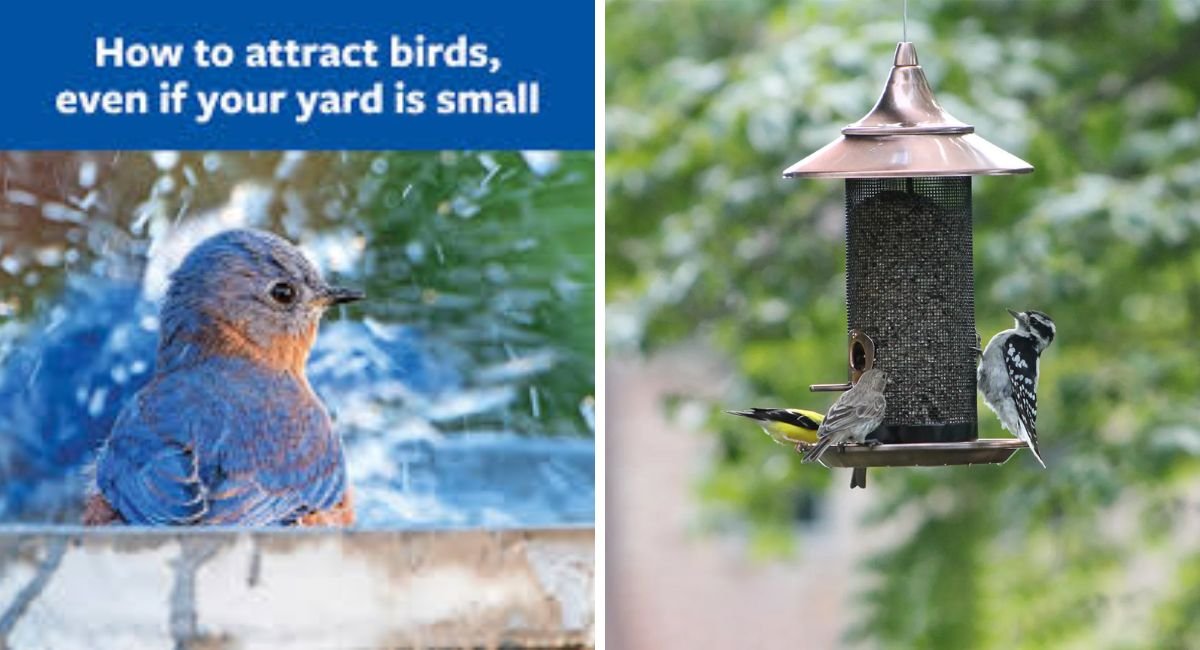
A bird enthusiast is someone who enjoys observing, feeding, and supporting wild birds in their natural environment. Whether you are an experienced bird watcher or a beginner looking to bring more life and beauty to your outdoor space, learning how to attract birds can be an incredibly rewarding experience. Birds add colour, movement, and natural music to gardens, yards, balconies, and outdoor living areas. Beyond their beauty, birds play a vital role in ecosystems by controlling insects, pollinating plants, and dispersing seeds. Creating a bird-friendly environment allows you to contribute to local biodiversity while enjoying daily encounters with fascinating wildlife. The key to success lies in understanding the basic needs of birds and providing a safe, welcoming habitat that encourages them to visit regularly.
Understanding What Birds Need to Survive
Before learning how to attract birds, it is important to understand what motivates them to visit a particular location. Like all living creatures, birds require food, water, shelter, and safety. If any of these essential elements are missing, birds may only stop briefly before moving elsewhere. Different bird species have different preferences, but all birds seek reliable resources that help them survive and reproduce. A location that consistently offers nourishment, clean water, protective cover, and nesting opportunities becomes highly attractive to local bird populations. By focusing on these core requirements, homeowners and gardeners can create an environment that supports a wide variety of bird species throughout the year.
Provide a Variety of Nutritious Food Sources
One of the most effective ways to attract birds is by offering a diverse selection of food. Different species prefer different diets, so variety is essential for attracting the greatest number of visitors. Sunflower seeds, particularly black oil sunflower seeds, are among the most popular options because they appeal to many bird species. Millet is excellent for ground-feeding birds, while nyjer seed attracts finches. Fruit-loving birds appreciate sliced apples, berries, and raisins, while insect-eating species are often drawn to mealworms. Providing multiple feeding stations can help accommodate birds with different feeding habits. Consistency is equally important because birds quickly learn where dependable food sources are located. Keeping feeders stocked and clean encourages birds to return frequently and establishes your space as part of their regular feeding route.
Create a Reliable Water Source
Water is often even more attractive than food, especially during hot weather and dry seasons. Birds rely on water to stay hydrated, clean their feathers, and support overall health through regular drinking and bathing. A simple birdbath can significantly increase bird activity in your yard or garden. The ideal birdbath should be shallow with gently sloping sides, allowing birds of different sizes to access water safely. Clean, fresh water is vital since contaminated or still water can easily transmit diseases to birds. Many birds are especially attracted to moving water, so adding a small fountain, dripper, or water agitator can make your setup even more appealing. During periods of extreme heat, maintaining a consistent water source can transform your outdoor space into a critical refuge for local birds.
Plant Native Trees, Shrubs, and Flowers
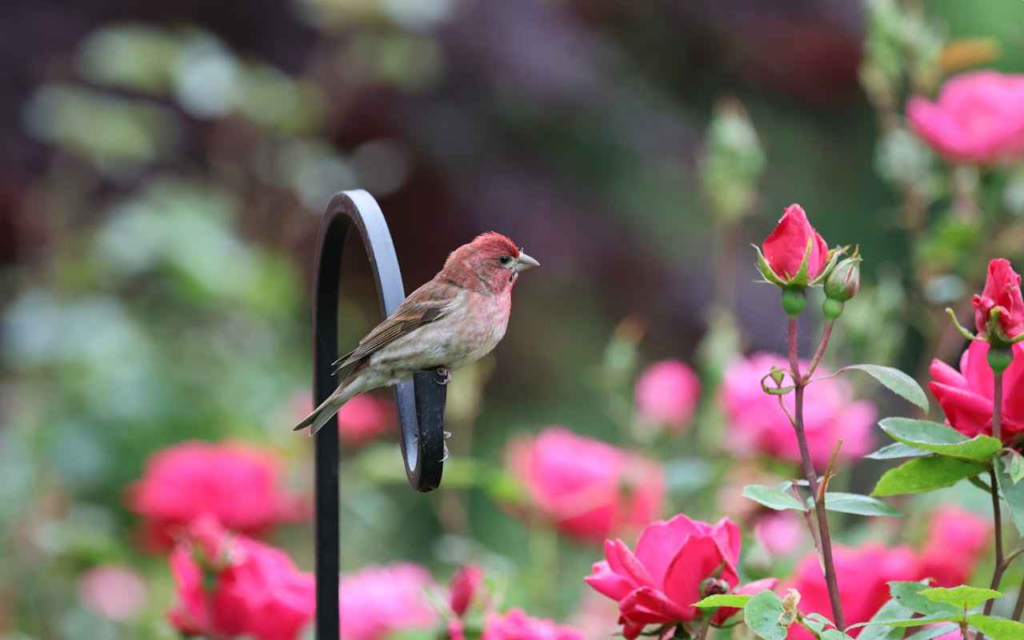
Using natural landscaping is among the most eco-friendly and effective ways to bring birds into your outdoor space. Native plants provide food, shelter, nesting materials, and protection in ways that artificial features cannot fully replicate. Trees offer perching and nesting locations, while shrubs create safe hiding places from predators. Flowering plants attract insects and produce seeds that many birds consume. Berry-producing shrubs are particularly valuable because they provide a natural food source throughout different seasons. Native vegetation also supports local insect populations, which are essential for many bird species during the breeding season. By incorporating a variety of trees, shrubs, grasses, and flowers, you create a layered habitat that meets the needs of birds throughout the year.
Offer Safe Shelter and Nesting Opportunities
Food and water may attract birds initially, but shelter encourages them to stay. Birds need protection from harsh weather conditions and predators such as cats, hawks, and other threats. Dense shrubs, evergreen trees, and thick vegetation provide excellent cover where birds can rest and feel secure. Installing birdhouses or nesting boxes can also increase the likelihood of birds establishing territories near your home. Different species require different nesting box sizes and entrance hole dimensions, so selecting appropriate designs is important. Positioning nesting boxes away from busy areas and potential predator access points increases their effectiveness. A safe environment helps birds feel comfortable enough to raise their young and return season after season.
Maintain a Clean and Healthy Bird Environment
Cleanliness plays a major role in bird health and safety. Bird feeders and birdbaths can become breeding grounds for bacteria and disease if not maintained properly. Regular cleaning prevents the spread of infections among visiting birds. Feeders should be emptied and cleaned periodically, especially during wet weather when seeds can become mouldy. Birdbaths should be scrubbed and refilled with fresh water frequently. Maintaining a clean environment not only protects birds but also increases the likelihood that they will continue visiting your property. Healthy birds are more active, more visible, and more likely to establish long-term feeding and nesting habits in your outdoor space.
Avoid Chemicals and Create a Safe Habitat
One of the most overlooked aspects of learning how to attract birds is reducing environmental hazards. Pesticides, herbicides, and chemical fertilisers can harm birds directly or eliminate the insects they rely on for food. A bird-friendly landscape prioritises natural gardening practices that support healthy ecosystems. Limiting chemical use encourages beneficial insects and creates a richer food web that supports bird populations. It is also important to reduce collision risks by making large windows more visible to birds and keeping domestic cats indoors whenever possible. A safe habitat gives birds the confidence to feed, rest, and nest without unnecessary threats.
Be Patient and Consistent
Attracting birds does not happen overnight. Birds need time to discover new food sources and evaluate whether an area is safe. Consistency is one of the most important factors in long-term success. Regularly replenishing food, maintaining clean water, and preserving natural shelter gradually builds trust among local bird populations. Seasonal changes may also affect which species visit your property. Some birds appear only during migration periods, while others remain year-round. Patience allows you to experience the evolving diversity of bird life that develops as your habitat becomes established.
Conclusion
Learning how to attract birds is about creating a balanced environment that provides food, water, shelter, and safety. By offering nutritious food sources, maintaining clean water, planting native vegetation, providing secure nesting opportunities, and avoiding harmful chemicals, you can transform any yard, garden, or balcony into a thriving bird sanctuary. The rewards extend beyond birdwatching, as your efforts also support local ecosystems and biodiversity. With patience and consistent care, you can enjoy a vibrant outdoor space filled with the beauty, songs, and activity of wild birds throughout the year.
Frequently Asked Questions (FAQs)
1. What is the fastest way to attract birds to my yard?
Providing fresh water along with high-quality bird seed is often the fastest method. Birds frequently seek reliable water sources and quickly notice accessible feeders.
2. Which bird food attracts the most species?
Black oil sunflower seeds are considered one of the best all-around bird foods because they appeal to a wide variety of species.
3. How often should bird feeders be cleaned?
Bird feeders should generally be cleaned at least once a week and more frequently during wet or humid conditions.
4. Do birds prefer natural plants over feeders?
Many birds benefit from both, but native plants provide long-term food, shelter, and nesting opportunities that support birds throughout the year.
5. Can I attract birds to a small balcony?
Even a compact balcony can successfully draw birds if you offer clean water, proper food, potted greenery, and a calm, safe setting.
READ MORE: selftimes
