


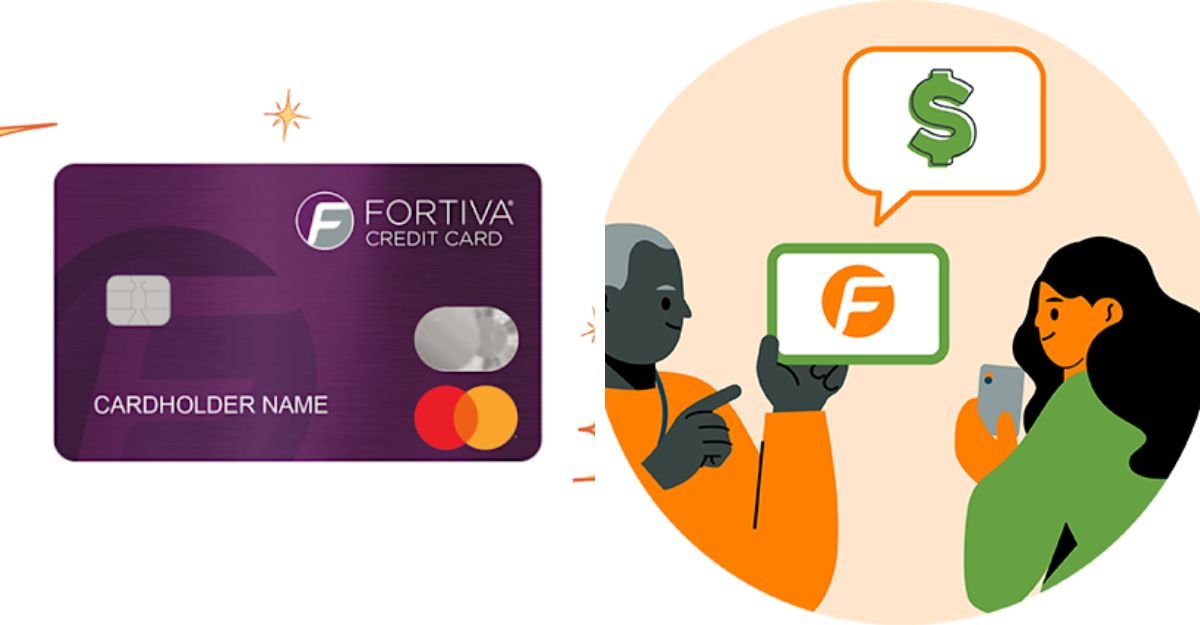
Fortiva is a financial services brand designed primarily to serve individuals who may have difficulty qualifying for traditional credit products. It is best known for offering credit cards and retail financing options aimed at people with fair, poor, or limited credit history. In simple terms, Fortiva acts as a second-chance credit provider, giving users access to borrowing opportunities when mainstream banks may decline them.
The core purpose of Fortiva is not luxury spending or premium rewards, but rather credit accessibility. It helps users build or rebuild their credit profile by reporting account activity to major credit bureaus. Over time, responsible usage can contribute to improving credit scores. However, this access often comes with higher costs compared to standard credit products, making it important to understand how it works before applying.
How Fortiva Works in the Credit System
Fortiva operates within a system commonly referred to as subprime lending, which focuses on borrowers with higher credit risk. Instead of relying heavily on traditional credit scores alone, Fortiva evaluates applicants using alternative approval criteria. This allows more people to qualify, even if they have past financial challenges.
Once approved, users receive a credit line that can be used for purchases or financing. The account activity is reported to major credit bureaus, meaning timely payments may help build a stronger credit history. However, missed payments or high balances can also negatively impact credit scores. This dual effect makes responsible usage extremely important.
Fortiva products are often issued in partnership with banks and managed by servicing companies, meaning Fortiva itself is part of a broader financial network rather than a standalone bank.
Fortiva Mastercard Credit Card Explained
The Fortiva Mastercard credit card is one of the brand’s most recognised products. It is designed specifically for individuals who are working on improving their credit profile. Unlike premium credit cards, this card focuses more on accessibility than rewards or low costs.
One of its key features is credit bureau reporting, which helps users establish or rebuild credit history when payments are made on time. The card may also offer limited cashback incentives, but these are secondary benefits rather than the main attraction.
However, the card is known for high APR rates and various fees, including annual and monthly maintenance charges. These costs can make it expensive if the balance is not paid in full each month. Despite this, for many users, the opportunity to rebuild credit outweighs the cost, especially when no other options are available.
Overall, the Fortiva Mastercard functions as a credit-building tool, not a long-term premium financial product.
Fortiva Retail Credit and Financing Options
Another major offering is Fortiva Retail Credit, which is used at participating merchants for point-of-sale financing. This allows customers to purchase items such as furniture, electronics, or medical services and pay for them over time.
This system is often described as a form of second-look financing, meaning it is offered to customers who may have been declined by primary lenders at checkout. Approval is usually quicker and more adaptable compared to standard loan processing.
Payments are managed separately from the merchant, meaning customers repay Fortiva directly rather than the store where the purchase was made. This structure makes it easier for retailers to approve more customers while shifting credit risk to Fortiva’s financial system.
Fees, Interest Rates, and Costs Breakdown
One of the most important aspects of Fortiva is its cost structure. Users should be aware of high interest rates, which can significantly increase the total repayment amount if balances are carried month to month.
In addition to interest charges, Fortiva products may include annual fees, monthly maintenance fees, and other account-related charges, depending on the credit profile of the applicant. These fees are part of how the company manages risk when serving subprime borrowers.
Because of these costs, Fortiva is generally not recommended for long-term borrowing unless the user is actively focused on credit rebuilding and disciplined repayment habits. Paying balances in full whenever possible can help reduce financial strain.
Benefits of Fortiva for Credit Building
Despite its costs, Fortiva offers several advantages, especially for individuals working to improve their financial standing. The most significant benefit is credit accessibility, allowing users who might otherwise be rejected to obtain a credit line.
Another important benefit is that payments are reported to major credit bureaus, helping build a positive credit history when handled responsibly. This can gradually improve credit scores over time.
Fortiva also provides flexibility in both card usage and retail financing, making it useful for essential purchases or emergency expenses. For some users, it serves as a stepping stone toward qualifying for better credit products in the future.
Drawbacks and Risks to Consider
While Fortiva can be helpful, it also comes with important risks. The biggest downside is expensive borrowing, driven by higher interest rates along with various additional fees. These charges can quickly accumulate if balances are not managed carefully.
Another concern is the potential for credit score damage if payments are missed or utilisation remains high. Because the product targets higher-risk borrowers, the margin for error is smaller compared to traditional credit cards.
Users should also be cautious about relying too heavily on such products, as they are designed for rebuilding credit rather than long-term financial optimisation.
Who Should Use Fortiva?
Fortiva is best suited for individuals who have been denied traditional credit products due to low or limited credit history. It may also help individuals working to rebuild their credit after financial setbacks like missed payments, defaults, or having little to no credit history.
However, it is not ideal for users who already qualify for standard low-interest credit cards or loans. In such cases, more affordable financial products would typically provide better value and lower risk.
Conclusion
Fortiva serves a specific role in the financial ecosystem as a credit-rebuilding and second-chance financing solution. While it offers valuable access to credit for underserved individuals, it also comes with high costs and strict responsibility requirements. For users who manage it carefully, Fortiva can be a stepping stone toward stronger credit health and better financial opportunities in the future.
FAQs
1. What is Fortiva used for?
Fortiva is used for credit cards and retail financing, mainly for people with low or limited credit history who need access to credit.
2. Does Fortiva help build credit?
Yes, Fortiva reports to major credit bureaus, which can help build or rebuild credit when payments are made on time.
3. Why is Fortiva’s interest so high?
Fortiva serves higher-risk borrowers, so higher interest rates help offset lending risk and account for credit challenges.
4. Can Fortiva be used anywhere?
The Fortiva Mastercard can be used anywhere Mastercard is accepted, while retail credit is only available at participating merchants.
5. Is Fortiva a good choice for everyone?
No, it is mainly suitable for credit rebuilding. Users with good credit may find better and cheaper alternatives elsewhere.
READ MORE: selftimes
