


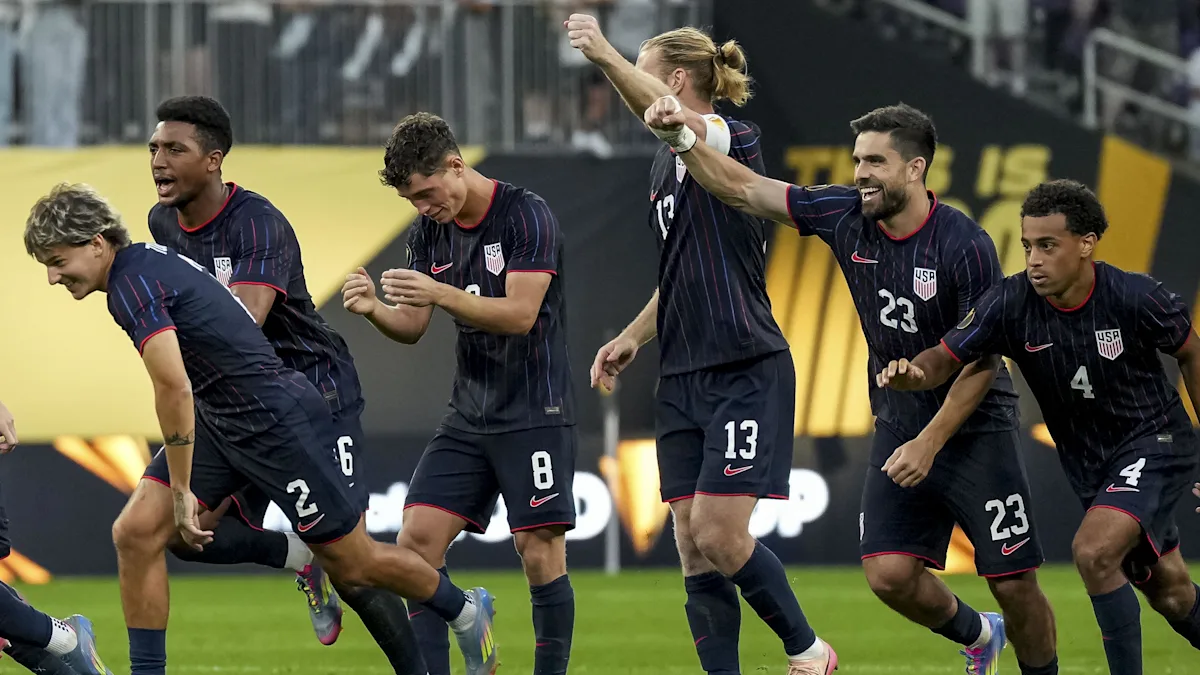
The clash between the United States Men’s National Team and the Guatemala national football team consistently attracts attention, not only because of regional rivalry but also because of the contrasting football philosophies on display. By analyzing USMNT versus Guatemala national football team lineups, fans and analysts gain deeper insight into how the match is likely to unfold long before the first whistle. Lineup choices reveal coaching intent, tactical priorities, and how each side plans to control space, tempo, and key moments. Rather than focusing solely on star players, a lineup-based breakdown highlights balance, structure, and adaptability, all of which are critical at the international level. This article provides a detailed, human-written analysis of predicted starting elevens, formations, and tactical setups that could define this matchup.
Match Context and Competitive Background
The USMNT typically enters this fixture with higher expectations due to its broader player pool and exposure to top-level leagues. Guatemala, however, approaches the contest with strong organizational capacity and resilience, often thriving as an underdog. Understanding the USMNT vs Guatemala national football team lineups requires context beyond rankings. The match usually serves as a test of the United States’ depth and a measure of Guatemala’s discipline and collective execution. Both teams view lineup decisions as strategic tools rather than routine selections, making each positional choice significant. Coaches must balance form, fitness, and tactical compatibility while monitoring match rhythm and potential in-game adjustments.
Predicted USMNT Starting Lineup and Formation
The USMNT is likely to line up in a flexible 4-3-3 or a variation that can shift into a 4-2-3-1 during possession. This structure allows the team to maintain width, control midfield spaces, and press high when out of possession. In goal, the United States usually favors a goalkeeper comfortable with distribution, emphasizing build-up play from the back. The defensive line is expected to consist of athletic fullbacks who can push forward while center-backs focus on maintaining a high line and quick recovery runs.
In midfield, the USMNT often blends physicality with technical control. A holding midfielder anchors the system, providing defensive cover and recycling possession efficiently. Ahead of him, two central midfielders are tasked with box-to-box responsibilities, linking defense to attack and supporting pressing phases. The front three typically comprises wide attackers who stretch the pitch and a central forward who presses defenders while serving as a focal point in the final third. This predicted lineup reflects the USMNT’s preference for proactive football, aiming to dominate possession and dictate tempo.
Key Players in the USMNT Tactical Setup
Within the USMNT vs Guatemala national football team lineups, individual roles matter as much as overall shape. The United States relies heavily on midfield intelligence to control matches. The defensive midfielder is crucial to disrupting Guatemala’s transitions and preventing counterattacks. Wide players play a dual role, expected to track back defensively while providing penetration and creativity in attack. The striker’s movement is equally important, as it creates space for midfield runners and disrupts Guatemala’s defensive organization. These interconnected roles highlight why lineup chemistry often outweighs individual reputation in international football.
Guatemala National Football Team Predicted Lineup and Structure
Guatemala is likely to adopt a more compact formation, such as a 4-4-2 or a disciplined 4-2-3-1, depending on the match context. The emphasis is usually on defensive solidity and efficient transitions rather than prolonged possession. The goalkeeper’s role centers on shot-stopping and commanding the penalty area, while defenders prioritize positioning and communication over aggressive pressing.
In midfield, Guatemala often fields players with strong tactical awareness, focusing on maintaining shape and closing passing lanes. Wide midfielders are expected to support fullbacks defensively while providing outlets for counterattacks. The attacking setup usually includes one striker who holds up play and another who looks to exploit space behind the defense. This approach reflects Guatemala’s pragmatic mindset, using structure and teamwork to neutralize the USMNT’s technical advantages.
Defensive Organization and Pressing Patterns
Defensive structure plays a central role in the USMNT vs the Guatemala national football team lineups. The United States typically defends with a high line, compressing space and forcing opponents into mistakes through coordinated pressing. This approach requires defenders who are comfortable in one-on-one situations and midfielders who can recover quickly. Guatemala, in contrast, tends to defend deeper, forming compact blocks that limit central penetration. Their pressing is often situational, triggered by poor touches or passes rather than sustained high pressure. These contrasting defensive philosophies shape the rhythm of the match and influence the location of key battles on the pitch.
Midfield Battles and Tactical Control
The midfield is where this matchup is often decided. The USMNT aims to control possession through quick ball circulation and positional rotations. Guatemala focuses on disrupting that rhythm by crowding central areas and forcing play wide. The predicted lineups suggest a battle between creativity and discipline, with the United States attempting to overload midfield zones while Guatemala prioritizes numerical balance. Winning second balls, maintaining positional discipline, and managing transitions will be decisive factors. This midfield dynamic underscores why lineup balance is critical in international fixtures where margins are slim.
Attacking Strategies and Goal Threats
From an attacking perspective, the USMNT vs the Guatemala national football team lineups reveal contrasting philosophies. The United States favors structured build-up play, using width and overlapping runs to create chances. Attacks are often designed to draw defenders out of position before exploiting gaps. Guatemala’s attacking threat is more direct, relying on quick transitions and set-piece opportunities. Their forwards must be efficient, as chances may be limited. Both teams’ lineup choices reflect these strategies: the USMNT prioritizes technical attackers, whereas Guatemala selects players known for their work rate and tactical discipline.
Bench Depth and Substitution Impact
Substitutions often play a decisive role in international matches, especially when fatigue sets in. The USMNT generally boasts greater bench depth, allowing for tactical shifts without a drop in quality. Fresh attackers can increase tempo, while defensive substitutions help manage leads. Guatemala’s bench may be more limited, but it often includes versatile players capable of adapting to multiple roles. Coaches from both sides use substitutions to respond to match developments, thereby extending lineup planning beyond the starting eleven. This aspect further enriches the analysis of the USMNT vs the Guatemala national football team lineups.
Tactical Adjustments and In-Game Flexibility
Flexibility is a hallmark of successful international teams. The USMNT may switch formations mid-match, pushing fullbacks higher or adding an extra midfielder to control possession. Guatemala may adjust by dropping deeper or introducing additional defensive cover to protect a narrow lead. These tactical shifts are often pre-planned, reflected in lineup selection and bench composition. Understanding these possibilities adds depth to lineup analysis and highlights the chess-like nature of international football.
Conclusion
Analyzing USMNT vs Guatemala national football team lineups offers valuable insight into how this matchup is likely to unfold. The United States enters with a proactive, possession-oriented approach, supported by athletic defenders and dynamic midfielders. Guatemala counters with structure, discipline, and efficiency, aiming to frustrate and capitalize on key moments. Lineup choices reveal more than player names; they showcase strategic intent, adaptability, and the underlying philosophy of each team. Ultimately, the outcome will depend on execution, but the predicted lineups and tactical setups provide a clear framework for understanding the game’s potential flow and decisive moments.
READ MORE: selftimes
