


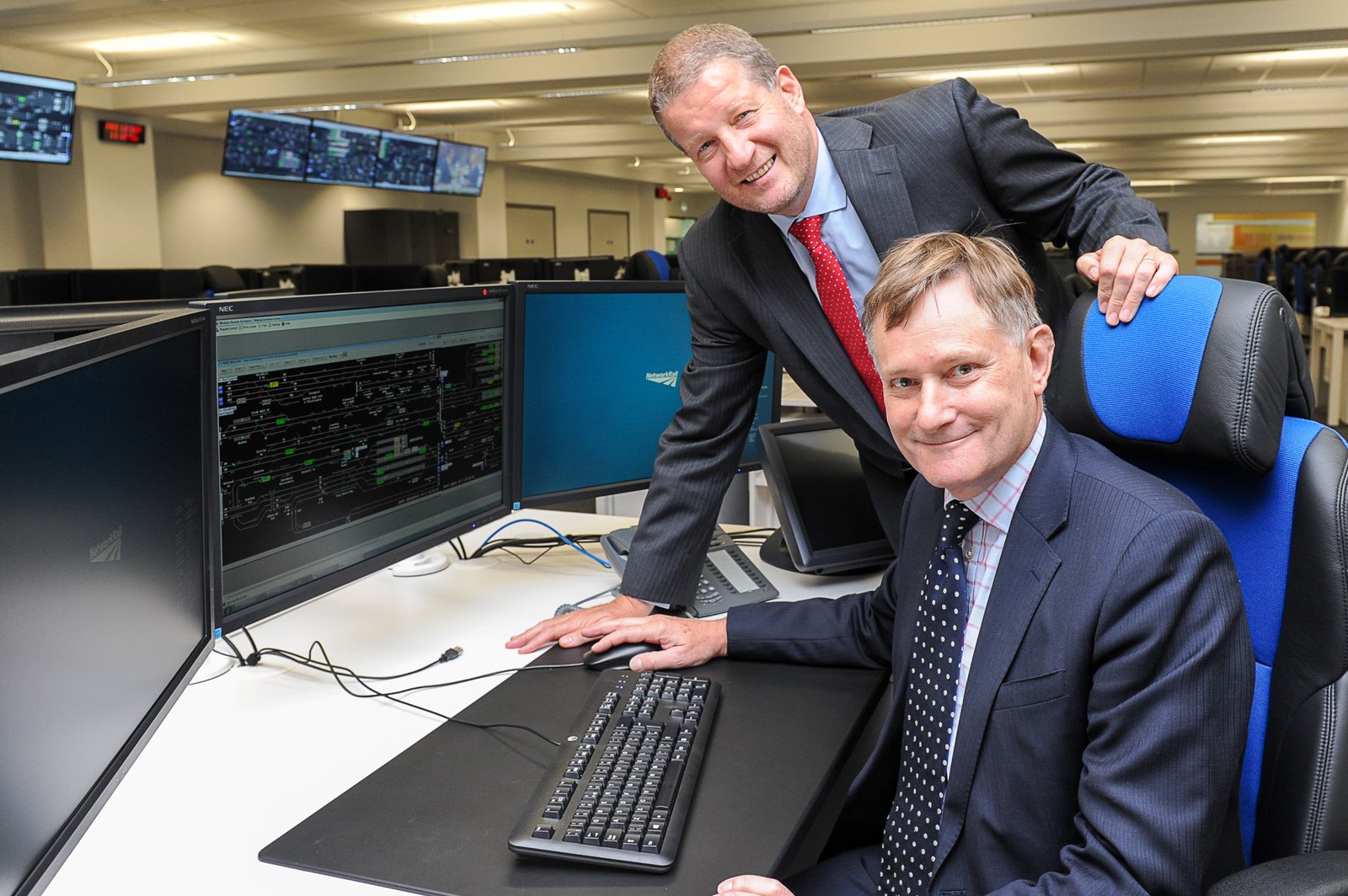
Railway systems are some of the most complex transportation networks in the world. Thousands of trains travel across cities and regions every day, carrying passengers and goods while following strict schedules and safety rules. Behind this organized movement is a powerful control hub known as a rail operating centre. This facility acts as the central brain of a railway network. It monitors train movement, manages railway signals, and coordinates operations across multiple routes.
A rail operating centre helps railway authorities keep everything running smoothly. Without it, train traffic would be difficult to manage, delays would increase, and safety risks would grow. These centers bring together advanced technology, trained staff, and real-time data to ensure that trains travel safely and efficiently. From handling daily train operations to responding to unexpected disruptions, the rail operating centre plays a vital role in modern transportation.
What a Rail Operating Centre Actually Does
A rail operating centre performs several important tasks that support the daily movement of trains. At its core, it monitors the railway network in real time. Operators can see where every train is located and how it is moving across the track system. Large digital displays and monitoring systems provide a clear view of the entire network. This allows controllers to detect delays, track issues, or operational problems quickly.
Another key responsibility is route management. Trains often share tracks and junctions, so careful coordination is required to avoid conflicts. Operators inside the rail operating centre control signals and track switches to guide trains safely along their routes. By managing these systems, they make sure trains move in the correct order and maintain safe distances from one another.
Communication is also a major part of the work carried out in the rail operating centre. Controllers maintain contact with train drivers, maintenance teams, and station staff. When a change occurs, such as a delay or route adjustment, the information is quickly shared so everyone involved can respond appropriately. This level of coordination keeps the railway network organized even during busy periods.
The Technology Inside a Rail Operating Centre
Modern railway systems depend heavily on digital technology, and the rail operating centre is where most of this technology is managed. Large computer systems collect data from sensors, signals, and train tracking equipment installed across the railway network. These systems send information back to the control centre every second, allowing operators to monitor the status of trains and infrastructure in real time.
One of the most important technologies used in a rail operating centre is train tracking software. This system displays the positions of all trains on a digital map of the railway network. Operators can easily see train speeds, track occupancy, and signal conditions. With this information, they can make fast decisions when changes are required.
Advanced signalling systems are another key component. These systems control traffic on the railway network by managing signals that tell train drivers when to stop or proceed. By controlling signals from a central location, the rail operating centre ensures that trains move safely and follow the planned schedule.
Communication systems also play an important role. Operators use dedicated communication channels to stay connected with train drivers and field teams. This communication network ensures that instructions can be delivered quickly, especially during operational changes or technical problems.
How Rail Operating Centres Improve Safety
Safety is a top priority for any railway system, and the rail operating centre is designed to support this goal. By constantly monitoring train movements, operators can identify risks before they become serious problems. For example, if two trains are approaching the same section of track, the system alerts operators so they can adjust signals and prevent a conflict.
The rail operating centre also helps manage emergencies. If a technical issue occurs on a train or a section of track becomes unsafe, controllers can quickly stop train movement in that area. They can redirect other trains to different routes or adjust schedules to keep passengers safe while maintenance teams address the issue.
Another important safety function involves monitoring equipment along the railway line. Sensors installed along the track send data about track conditions, signal performance, and other operational factors. This information helps the rail operating centre detect faults early and coordinate repairs before they affect train operations.
By combining technology with human oversight, the rail operating centre creates a safer environment for both passengers and railway staff.
People Who Work in a Rail Operating Centre
Although technology plays a large role, the success of a rail operating centre also depends on skilled professionals who manage railway operations. These individuals work together to monitor train movement and make decisions that keep the network running smoothly.
Train controllers are responsible for supervising train traffic across the network. They analyze information from monitoring systems and determine how trains should move through busy sections of track. Their work requires concentration and quick decision-making because even small changes can affect the entire railway schedule.
Signal operators are another important part of the team. They manage signals and track switches that guide trains along their routes. By controlling these systems, they ensure that trains follow safe paths and maintain proper spacing.
Communication specialists also work inside the rail operating centre. They maintain constant contact with train drivers, maintenance teams, and station staff. When changes occur, these specialists make sure the correct information reaches everyone involved in railway operations.
Together, these professionals create a coordinated environment where technology and human expertise work side by side.
Managing Delays and Operational Challenges
Even with advanced systems in place, railway networks sometimes face unexpected challenges. Weather conditions, technical problems, or heavy traffic can cause delays. The rail operating centre plays a critical role in handling these situations and restoring normal operations as quickly as possible.
When a delay occurs, operators first identify the cause by analyzing real-time data from the railway network. They then adjust train routes, signals, or schedules to minimize disruption. For example, if one train is delayed, controllers may temporarily slow or reroute other trains.
Communication becomes especially important during these moments. The rail operating centre ensures that train drivers, station staff, and maintenance teams receive updated instructions. This coordinated response helps reduce confusion and keeps passengers informed about changes.
By carefully managing these situations, the rail operating centre helps maintain stability within the railway network even when unexpected events occur.
Advantages of Centralized Rail Operating Centres
The development of centralized rail operating centres has transformed the way railway systems are managed. Instead of controlling different sections of track from separate locations, many railway networks now use one central hub to oversee large areas. This approach offers several advantages.
Centralized control allows operators to see the entire railway network at once. This wider view makes it easier to manage traffic flow and coordinate train movements across different regions. It also enables faster responses to operational issues, since all decision-makers are located in the same facility.
Another advantage is improved communication. When all railway operations are monitored from one location, information flows more quickly between teams. This reduces decision-making delays and improves coordination among train controllers, drivers, and maintenance staff.
Centralized rail operating centres also support the use of advanced digital systems. Modern software can analyze large amounts of data and help operators predict potential problems before they happen. This predictive capability improves reliability and keeps train services running smoothly.
The Future of Rail Operating Centres
As railway technology continues to evolve, the role of the rail operating centre will become even more important. Future systems are expected to use more automation and data analysis tools to improve railway operations. Artificial intelligence and advanced monitoring software may help operators identify patterns in train traffic and automatically optimize schedules.
Smart railway systems will also rely on stronger communication networks. These networks will enable trains, signals, and infrastructure to share data with the rail operating centre continuously. With more accurate information available, operators will be able to respond faster to changing conditions.
Another future development involves integrating rail operating centres with other transportation systems. By connecting rail networks with urban transport systems, operators can coordinate travel across multiple modes. This integration may help create more efficient and connected transportation networks.
These advancements will further strengthen the role of the rail operating centre as the central command hub of modern railway systems.
Conclusion
The rail operating centre is one of the most important components of modern railway infrastructure. It serves as the control hub where train movements are monitored, routes are managed, and communication between railway teams is coordinated. By combining advanced technology with skilled professionals, the rail operating centre ensures that trains travel safely and efficiently across complex railway networks.
From managing daily train operations to responding to unexpected disruptions, these centres play a crucial role in maintaining reliable transportation services. As railway systems continue to grow and technology advances, the importance of the rail operating centre will increase.
Through constant monitoring, smart decision-making, and strong coordination, the rail operating centre remains the foundation that supports safe and organized train travel in today’s world.
READ MORE: selftimes
