

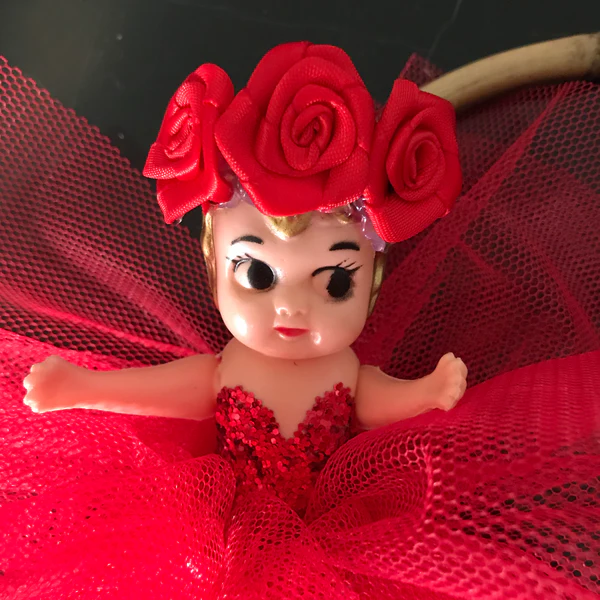
The Kewpie doll is one of those rare creations that feels simple at first glance but carries a deep story, lasting appeal, and a special place in popular culture. With its round face, tiny wings, and playful smile, this small figure has captured hearts for more than a century. People of all ages recognize it, collectors seek it out, and families often pass it down as a keepsake. Unlike many trends that fade over time, the Kewpie doll remains relevant because it connects emotion, nostalgia, and design in a way that feels warm and genuine. It is not just a toy or decoration. For many, it represents innocence, kindness, and a reminder of slower and simpler times.
The Origin and Early History
The story of the Kewpie doll begins in the early 1900s with an illustrator named Rose O’Neill. She created the character as part of her drawings, giving it a baby-like appearance and a gentle, mischievous personality. The name “Kewpie” came from the word “Cupid,” which matched the tiny wings and sweet expression of the character. These drawings quickly became popular in magazines and books, and people started asking for physical versions of the character. Soon after, the first kewpie dolls were produced, first in bisque and later in other materials. They became especially popular in the United States and parts of Europe, often given as prizes at fairs or kept as decorative figures in homes.
What Makes the Design So Special
One reason the Kewpie doll stands out is its unique design. The large head, petite body, wide eyes, and tiny wings create a look that feels both playful and comforting. It does not try to be realistic, and that is part of its charm. The simple shape allows people to focus on the expression, which often shows happiness or gentle curiosity. Over time, slight variations appeared, such as different facial expressions, poses, and sizes, but the core design stayed the same. This consistency helped the Kewpie doll become instantly recognizable. Even today, when someone sees that round face and little wings, they know exactly what it is.
Materials Used Over the Years
Early Kewpie dolls were made from bisque, a type of porcelain that gave them a smooth, delicate finish. These early versions were fragile and often kept carefully to avoid damage. As manufacturing methods improved, companies began using materials like composition, hard plastic, and vinyl. These newer versions were more durable and affordable, allowing more people to own them. Modern Kewpie dolls are often made from soft vinyl or plastic, making them suitable for children and collectors alike. Each material change brought new possibilities for size, color, and detail, but the basic shape and character remained unchanged.
Different Types and Styles
Over the decades, many styles of the Kewpie doll have appeared. Some are small enough to fit in the palm of your hand, while others are large display pieces. There are classic versions that closely match the original design and modern versions with colorful outfits or themed accessories. Some are handmade by artists, adding personal touches and unique features. There are also vintage dolls that collectors value highly because of their age and condition. This wide variety allows people to choose a style that fits their taste, whether they prefer something traditional or a more playful modern design.
Why People Love Collecting Them
Collecting kewpie dolls is about more than owning an object. For many collectors, it is about preserving a piece of history. Each doll tells a story about the time it was made, the materials used, and the popular style of the time. Some collectors remember seeing a Kewpie doll in their grandparents’ home and feel a strong emotional connection to it. Others enjoy the challenge of finding rare or well-preserved pieces. The dolls’ gentle appearance also brings comfort, making them pleasant to display in living rooms, bedrooms, or personal collections. Over time, a small collection can grow into something deeply meaningful.
How to Tell an Original from a Replica
As the Kewpie doll became popular, many replicas and inspired designs appeared. This is natural for any famous item, but it can make identification difficult for beginners. Original vintage dolls often have specific markings on their feet or backs that indicate the maker or country of origin. The quality of the paint, the smoothness of the surface, and the overall craftsmanship can also provide clues. Older dolls may show gentle signs of age, such as slight fading or small surface cracks in porcelain versions. Learning these details takes time, but it helps collectors avoid confusion and better understand what they own.
Caring for and Preserving Kewpie Dolls
Proper care is essential, especially for older or fragile kewpie dolls. Dust should be gently removed with a soft cloth or a small brush. Water should be avoided on porcelain dolls, as it can damage the surface or paint. Storing dolls in a dry place away from direct sunlight helps prevent fading and cracking. For collectors with many dolls, display cabinets with glass doors offer protection while still allowing the collection to be seen. Even modern plastic versions benefit from gentle care, as scratches and discoloration can reduce their appearance over time.
Kewpie Dolls in Home Decoration
Beyond collecting, many people use Kewpie dolls as decorative items. Their cheerful look adds warmth to shelves, desks, and display cabinets. Some place them in nurseries because of their gentle appearance, while others use them as part of vintage-style room decor. A single doll can become a small focal point, while a group can create a charming display that draws attention without feeling overwhelming. Their simple design allows them to fit into many interior styles, from classic to modern, making them surprisingly versatile.
Value in the Collectors Market
The value of a Kewpie doll can vary greatly depending on age, condition, size, and rarity. Early bisque dolls in excellent condition can be worth a significant amount, especially if they still have their original markings and paint. Later versions are usually more affordable but can still be valuable if they are limited editions or made by well-known manufacturers. For many collectors, however, the emotional value matters more than the price. Owning a doll that has been passed down through generations often feels more special than owning a rare, expensive piece.
Common Myths and Misunderstandings
Some people believe that Kewpie dolls are meant only for children or are outdated decorations. In reality, they are appreciated by people of all ages. Another common misunderstanding is that all old-looking dolls are valuable. Age alone does not determine worth. Condition, authenticity, and demand play significant roles. Clearing up these myths helps new collectors approach the hobby with realistic expectations and enjoy it more fully.
Starting Your Own Collection
Beginning a Kewpie doll collection does not require a large budget or expert knowledge. Many people start with a single modern doll and gradually learn about older versions. Visiting antique shops, fairs, and trusted online sellers can be a good way to explore options. It is helpful to read about the doll’s history and study pictures of authentic pieces. Over time, collectors develop their own preferences, whether for specific sizes, materials, or time periods. The process itself becomes enjoyable, as each new piece adds another chapter to the collection.
Popularity Around the World
Although the Kewpie doll originated in the United States, its popularity quickly spread to other countries. In Japan, for example, the character became especially beloved and inspired many local designs and products. In Europe, vintage versions are often found in antique markets and private collections. This global reach shows how a simple design can cross cultural boundaries and still feel meaningful. No matter where it appears, the Kewpie doll tends to evoke the same feelings of warmth and friendliness.
The Future of the Kewpie Doll
Even after more than one hundred years, the Kewpie doll continues to evolve. New designs, colors, and materials appear regularly, keeping the character fresh for younger generations. At the same time, the classic look remains respected and preserved by collectors and manufacturers alike. This balance between tradition and innovation ensures that the Kewpie doll will not disappear anytime soon. It will likely continue to charm people in the same quiet and gentle way it always has.
Conclusion
The Kewpie doll is more than a small figure with wings. It is a symbol of creativity, kindness, and lasting appeal. From its early days as a simple illustration to its place in collections and homes around the world, it has proven that authentic charm does not depend on trends or technology. Its friendly face and soft design evoke childhood, comfort, and the joy found in simple things. Whether displayed on a shelf, carefully stored in a collection, or passed down through generations, the Kewpie doll continues to hold a special place in the hearts of many.
READ MORE: selftimes
