


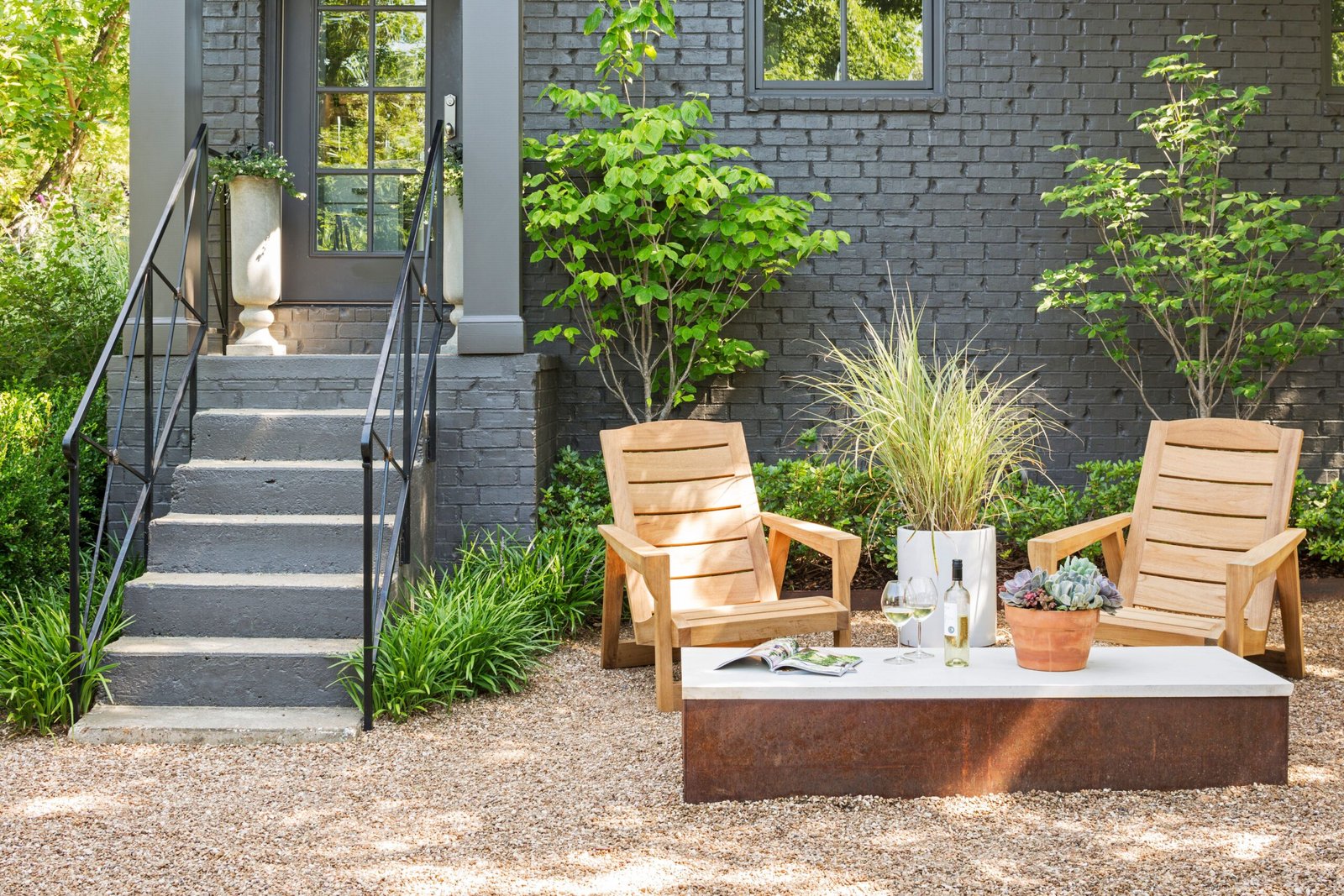
Outdoor space is no longer just an extra area outside the house. For many people, it has become a second living room, a weekend dining spot, and a quiet escape after a busy day. The way you set up that space makes a big difference in how often you use it and how comfortable it feels. That is where Better Homes and Gardens patio furniture comes into the picture. It gives homeowners a practical, stylish way to turn patios, decks, and gardens into usable living spaces without complicating or overcharging.
This guide walks you through styles, materials, layout ideas, comfort factors, and care tips so you can make wise choices and build an outdoor setup that actually gets used, not just admired.
Why Better Homes and Gardens Patio Furniture Stands Out
When people shop for outdoor furniture, they typically want three things: comfort, durability, and sound design. Many brands focus heavily on one or two of these, but not all three together. Better Homes and Gardens patio furniture is known for balancing looks with function. The pieces are designed to feel homey, not stiff or overly decorative. You will notice that many sets are built to match real lifestyles, meaning they work for family dinners, casual gatherings, and everyday lounging.
Another reason the brand gets attention is variety. Instead of offering only one style direction, the collections often include modern, rustic, classic, and mixed designs. That makes it easier to match your outdoor setup with the rest of your home. People no longer want their patio to feel disconnected from their indoor style. They want flow, and this furniture line supports that idea well.
Understanding the Main Types of Patio Furniture Sets
Before buying anything, it helps to know what type of set fits your lifestyle. Some people imagine they need a full outdoor sofa setup, but in reality, they mostly host small dinners. Others think a dining set is sufficient, only to realize they also want lounging space. Better Homes and Gardens patio furniture usually comes in a few core categories that solve different needs.
Conversation sets are designed for relaxation and conversation. They often include cushioned chairs, a loveseat, and a center table. These work well for evening tea, casual chats, and weekend breaks. Dining sets are designed for meals and gatherings. They include a table and matching chairs, sometimes with an umbrella option. Sectional sets are more flexible and can be arranged in different shapes. These are useful for larger patios where layout flexibility is essential. Bistro sets are compact and ideal for small balconies or corners where space is tight, but style still matters.
Choosing the right type first prevents wasted money and unused furniture later.
Materials Make a Bigger Difference Than Most People Expect
One common mistake buyers make is choosing based only on appearance. Outdoor furniture is exposed to sun, dust, moisture, and temperature changes. Materials matter a lot. Better Homes and Gardens patio furniture uses a mix of wicker, metal, wood, and composite materials, depending on the collection.
Resin wicker is popular because it offers a woven look and better weather resistance than natural wicker. It does not crack as easily and needs less care. Metal frames, especially powder-coated steel or aluminum, offer strength and stability. Aluminum has the added benefit of being lighter and rust-resistant. Wooden options bring warmth and a natural feel, though they typically require more maintenance to keep their finish looking fresh.
Cushion fabric is another detail people overlook. Outdoor-rated fabric resists fading and dries faster after light rain. That alone can save significant frustration over time.
Choosing Furniture Based on Your Space Size
Not every patio should be filled edge-to-edge with seating. A crowded outdoor area feels stressful, not relaxing. A more innovative approach is to measure first and plan the walking space before buying. Better Homes and Gardens patio furniture is available in both compact and large-scale designs, making it easier to match size to space when planning.
For small patios or balconies, stick with slim chairs, small tables, or a bistro set. Keep visual weight low to make the area feel open. For medium patios, a four to six-seat conversation set often works well. Large backyards or decks can accommodate sectionals and a dining set, but it’s still best to create zones rather than a single, large furniture cluster. Think of it like rooms without walls.
A simple paper sketch with measurements can prevent expensive sizing mistakes.
Comfort Should Be Tested, Not Assumed
Outdoor furniture may appear comfortable, but it can feel stiff after 10 minutes. Cushion thickness, seat depth, and back angle all affect how long you can sit without discomfort. Many Better Homes and Gardens patio furniture sets feature deeper seating and thicker cushions than standard outdoor chairs. That matters if you plan to spend real time outside.
Look at cushion fill density, not just thickness. Dense foam holds shape longer. Removable covers are also helpful for cleaning. Armrest height and seat height should match your preferred sitting position. Some people prefer an upright dining posture, while others like low lounge seating. Matching the furniture to your sitting habits makes a big difference in daily use.
Style Direction and Color Planning
Outdoor style works best when it complements the house rather than fighting it. If your home uses neutral tones, bold patio colors can feel out of place. Many Better Homes & Gardens patio furniture collections come in neutral shades such as beige, gray, brown, and black, making them easier to match with various outdoor styles.
Accent colors can then come from pillows, planters, or rugs.
Natural style setups use wood tones, woven textures, and greenery. Modern looks use straight lines, metal frames, and simple cushions. Classic garden style mixes curves and soft fabrics. Pick one direction and stay consistent. Mixing too many themes can make even expensive furniture look random.
Weather Planning and Placement Strategy
Outdoor furniture lasts longer when designed for the weather—even durable Better Homes and Gardens patio furniture benefits from clever positioning. Direct, harsh sun all day can fade cushions more quickly. Placing seating in partial shade helps. Umbrellas and pergolas also extend furniture life while improving comfort.
Wind matters too. Lightweight chairs can shift or tip in strong gusts. Heavier frames or anchored layouts work better in open areas. Rain exposure is another factor. Covered patios naturally protect furniture more than open decks. Small placement changes can add years to usability.
Care and Cleaning Without Overcomplication
People sometimes avoid buying good outdoor furniture because they fear high maintenance. In reality, care is simple if done regularly. Better Homes and Gardens patio furniture usually requires basic cleaning: mild soap and water for frames and a gentle fabric cleaner for cushions.
Brush off dust weekly if possible. Clean spills early so stains do not set. Store cushions in a deck box during long, wet periods. Use furniture covers when not in use for weeks at a time. These small habits prevent deep cleaning later and keep everything looking fresh.
Making Your Outdoor Setup Feel Complete
Furniture alone does not create atmosphere. Small additions change how the space feels. A simple outdoor rug defines the seating area. A center table adds function. Planters add softness. Lighting, such as solar lamps or string lights, makes evening use more inviting. Better Homes and Gardens patio furniture pairs well with layered accessories because most designs stay visually neutral and adaptable.
Think in layers instead of single pieces. Seating, surface, shade, and light combine to create a usable outdoor room.
Final Thoughts on Building a Better Outdoor Living Space
A good patio setup is not about filling space with the most items. It is about choosing the right pieces that match how you actually live. Better Homes and Gardens patio furniture works well for many households because it blends comfort, durability, and approachable style. When you choose the right set type, material, size, and layout, your outdoor area becomes more than decoration. It becomes part of daily life.
Start with purpose, measure your space, choose materials wisely, and prioritize comfort. Do that, and your patio will turn into one of your favorite places at home.
READ MORE: selftimes
