


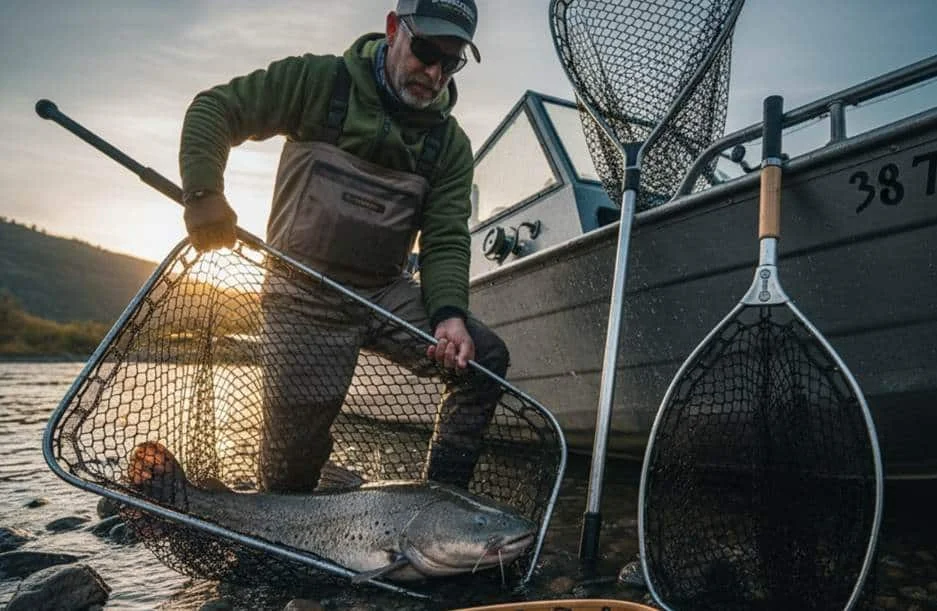
Fishing nets are among the oldest and most useful tools used by fishers. From small rivers to deep oceans, fishing nets help make the process easier and more productive. Instead of catching fish one by one, nets allow you to gather multiple fish at once. This saves time, effort, and energy. Over the years, fishing nets have improved a lot. Today, they are made with better materials and designed for different types of fishing. Whether you are a beginner or someone with years of experience, understanding fishing nets is the first step toward better results. A good fishing net does not just help you catch fish; it also protects them and reduces waste.
Different Types of Fishing Nets You Should Know
There are many types of fishing nets, each designed for a specific purpose. Cast nets are popular among beginners because they are easy to use. You throw them into the water, and they spread out and sink, trapping fish beneath the surface. Gill nets are used to catch fish by their gills and are more common in larger bodies of water. Seine nets are long nets that are dragged through the water to collect fish in groups. Landing nets are smaller and used to lift fish out of the water after they are caught. Each type of fishing net has its own benefits, and choosing the right one depends on where and how you plan to fish. Knowing these types helps you avoid mistakes and improves your fishing experience.
Materials Used in Modern Fishing Nets
Fishing nets are made from different materials, and this plays a big role in how strong and effective they are. In the past, nets were made from natural fibers like cotton or hemp. These materials were easy to find but did not last long. Today, most fishing nets are made from synthetic materials like nylon and polyethylene. These materials are strong, flexible, and resistant to water damage. Nylon nets are especially popular because they are lightweight and durable. The material you choose affects how long your net will last and how well it performs. A strong net means fewer breaks and better catches, which is why most fishermen prefer modern materials.
How Fishing Nets Work in Real Situations
Fishing nets work by trapping fish in a controlled space. When you cast a net into the water, it spreads out and forms a barrier that fish cannot easily escape. Some nets are designed to sink, while others float on the surface. For example, a cast net spreads into a circle when thrown, and the weights around its edges help it sink quickly. Fish get trapped underneath as the net closes. Seine nets are pulled from both ends to gather fish into one area. The way fishing nets work depends on their design, but the main goal is always the same: to catch fish effectively. Understanding how they work helps you use them correctly and avoid losing your catch.
Benefits of Using Fishing Nets for Fishing
Using fishing nets has many advantages compared to other fishing methods. One of the biggest benefits is efficiency. With a good net, you can catch multiple fish at the same time. This is helpful for both small-scale fishing and larger operations. Fishing nets also reduce the need for constant effort, making them easier to use for longer periods. Another benefit is versatility. You can use different types of nets in rivers, lakes, or oceans. Fishing nets also allow you to target specific fish sizes by choosing the right mesh size. This helps in reducing unwanted catch and supports better fishing practices. Overall, fishing nets make fishing more productive and less stressful.
How to Choose the Right Fishing Nets for Your Needs
Choosing the right fishing nets depends on several important factors. First, think about where you will be fishing. If you are fishing in a small river or pond, a cast net or landing net might be enough. For larger bodies of water, you may need gill nets or seine nets. Next, consider the type of fish you want to catch. Smaller fish require nets with smaller mesh, while larger fish need stronger nets with wider mesh. Your experience level also matters. Beginners should start with simple nets that are easy to handle. Budget is another factor to keep in mind, but it is better to invest in a quality net that will last longer. When you choose the right fishing net, your fishing experience becomes smoother and more enjoyable.
Tips for Using Fishing Nets Safely and Effectively
Using fishing nets properly can make a big difference in your results. Always check your net before using it to make sure there are no holes or damage. When throwing a cast net, practice your technique to ensure it spreads properly in the water. Avoid using excessive force, as it can tangle the net. Keep a firm grip when pulling the net back to avoid losing your catch. Safety is also important. Be careful when using nets near deep water or strong currents. Wearing proper gear, like gloves, can protect your hands from rope burns or cuts. Simple habits like these help you use fishing nets more effectively and safely.
Cleaning and Maintaining Your Fishing Nets
Taking care of your fishing nets is very important if you want them to last longer. After each use, rinse your net with clean water to remove dirt, salt, or debris. This is especially important if you use your net in saltwater, as salt can damage the material over time. Make sure the net is fully dry before putting it away for storage. Wet nets can develop mold or become weak. Store your fishing nets in a cool and dry place, away from direct sunlight. Regularly check for small tears and repair them early before they become bigger problems. Proper maintenance not only extends the life of your net but also ensures better performance every time you use it.
Common Problems with Fishing Nets and How to Fix Them
Even the best fishing nets can face problems over time. One common issue is tangling, which can make the net difficult to use. To fix this, carefully untangle the net and avoid rushing the process. Another problem is a broken mesh. Small holes can be repaired using simple tools and techniques. If the damage is too large, it may be better to replace the net. Sometimes, nets can become stiff due to dirt or salt buildup. Washing them properly can solve this issue. Knowing how to handle these problems saves money and keeps your fishing nets in good condition. It also ensures that your fishing trips are not affected by unexpected issues.
Final Thoughts on Choosing Fishing Nets
Fishing nets are powerful, reliable tools that can improve your fishing experience in many ways. By understanding the different types, materials, and uses of fishing nets, you can make better choices that match your needs. Whether you are fishing for fun or for work, the right net can make your job easier and more successful. Taking care of your nets and using them properly ensures long-term benefits. In the end, fishing nets are not just tools; they are an important part of a smart and efficient fishing strategy.
READ MORE: selftimes
