



The word nativität carries a deep historical and cultural meaning that has shaped traditions, beliefs, and social understanding for centuries. At its core, nativität refers to birth or origin, especially when associated with a significant historical or religious event. Across many societies, the idea of nativität has become a powerful symbol that represents beginnings, hope, and the arrival of something meaningful. Because of this, people often explore the concept not only from a historical perspective but also from a cultural and symbolic perspective.
Understanding nativität helps people see how traditions form and how they continue to influence communities today. Many customs and celebrations across the world have roots in the idea of birth and new beginnings. Over time, the concept has grown beyond a simple definition and has become part of stories, art, architecture, and community traditions. When people learn about nativität, they gain insight into how historical ideas shape modern cultural identity.
This article explores the origins of nativität, its development over time, the traditions associated with it, and why it continues to hold importance today. By understanding its background and meaning, readers can better appreciate the role it has played in shaping culture and social traditions.
The Meaning and Origin of Nativität
The term nativität comes from a word that originally meant “birth” or “the act of being born”. Historically, the term was used in various languages to refer to the beginning of life or to the moment when a significant figure was born. Over time, the word became connected with specific historical and cultural narratives that highlighted the importance of a birth that carried meaning for a community.
In many historical texts and traditions, nativität represents more than a physical birth. It often symbolizes a moment that changes the direction of history or marks the start of something that influences society for generations. Because of this symbolic meaning, the word became widely used in discussions of cultural traditions, religious stories, and historical events centered on beginnings.
The concept also developed through the evolution of language. As societies grew and languages changed, the word nativität appeared in different forms but continued to carry the same central idea. The focus remained on the importance of origin and the moment when life begins. This linguistic journey shows how ideas move across cultures and time while still keeping their essential meaning.
Today, when people use the word nativität, they often refer to traditions and historical stories that celebrate birth and new beginnings. The meaning has remained strong because it connects people with the idea that every beginning carries the possibility of change and growth.
Historical Background of Nativität
The historical roots of nativität go back many centuries. Early civilizations often placed great importance on birth and beginnings. In many ancient societies, the birth of a child was not only a family event but also something that carried meaning for the wider community. These early ideas helped form the cultural framework that later shaped how people understood nativität.
Historical writings show that communities used stories about significant births to explain their values and beliefs. These stories often described the arrival of individuals who would influence society in important ways. Over time, these narratives became part of cultural traditions that were passed down through generations.
During the development of organized societies, the concept of nativität gained even more importance. Communities began to create traditions that remembered and honored births with symbolic meaning. These traditions helped people maintain a connection with their cultural heritage and shared history.
In medieval times, the concept became deeply embedded in art and literature. Artists and writers used images and stories of birth to represent hope, renewal, and the start of new eras. These creative works helped spread the idea of nativität beyond simple historical records and turned it into a powerful cultural symbol.
By the time modern societies emerged, the historical significance of nativität was already well established. It had become a concept that connected traditions with present understanding. This long history explains why the idea continues to hold cultural importance today.
Cultural Importance of Nativität
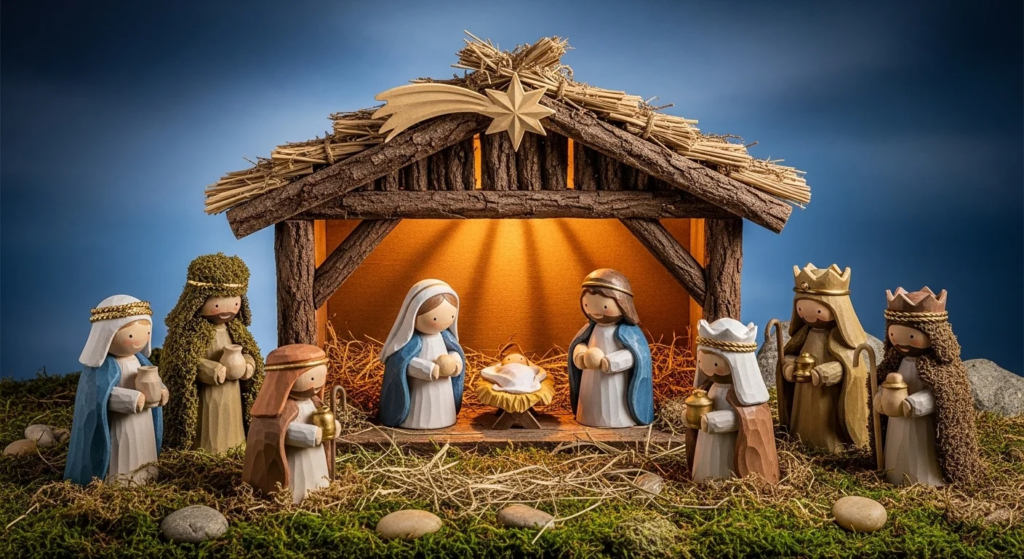
The cultural impact of nativität can be seen across many traditions worldwide. Communities often celebrate stories of birth and beginnings because they represent hope and the possibility of a better future. The concept encourages people to reflect on how important moments can influence the direction of history.
In many cultures, traditions connected to nativität include gatherings, storytelling, and symbolic displays that remind people of the original story behind the concept. These traditions help communities pass down their values and beliefs from one generation to the next. They also create a sense of shared identity that brings people together.
Cultural celebrations related to nativität often highlight themes such as kindness, unity, and reflection. People use these moments to reflect on the meaning of beginnings and on how every generation has the chance to shape the future. This deeper reflection is one of the reasons why the concept has remained important across centuries.
Another cultural aspect of nativität is its inspiration for creativity. Many forms of art, including painting, sculpture, and storytelling, have drawn inspiration from the idea of birth and renewal. Artists often use these themes to express emotions related to hope, change, and the human experience.
Because culture constantly evolves, the interpretation of nativität also changes with time. While the core meaning remains the same, modern communities sometimes express the tradition in new ways that reflect current values and social understanding. This ability to adapt has helped the concept remain relevant in modern society.
Symbols Associated with Nativität
Symbols play an important role in helping people understand the deeper meaning of nativität. Throughout history, various objects and images have been used to represent themes related to birth and new beginnings. These symbols help communicate ideas that words alone may not fully capture.
One common symbol connected with nativität is light. In many traditions, light represents hope and the arrival of something meaningful. The idea that light appears during moments of birth or change is a powerful metaphor that has been used in cultural storytelling for centuries.
Another symbol often associated with nativität is the image of a simple beginning. This might be represented by modest surroundings or humble settings that emphasize the importance of the moment rather than material wealth. The message behind this symbol is that true significance comes from the meaning of the event rather than external appearances.
The natural world also contributes to how the symbolism of nativität is understood and represented. Elements such as stars, animals, and peaceful landscapes often appear in cultural representations of birth and beginnings. These natural elements help create a sense of harmony and remind people of the connection between human life and the natural world.
Symbols make traditions easier to understand and remember. When communities share visual representations of important ideas, they help ensure that future generations recognize the meaning of nativität.
Nativität in Modern Society
Even in today’s fast-changing world, the concept of nativität continues to hold meaning. Many communities still honor traditions that reflect the themes of birth, hope, and renewal. These traditions remind people that certain ideas remain timeless despite changes in technology and lifestyle.
Modern discussions about nativität often focus on its cultural and educational value. Schools, historians, and cultural organizations study the concept to understand how traditions develop and why they remain meaningful across generations. Learning about historical ideas such as nativität helps people appreciate the roots of their cultural heritage.
In modern society, the concept also encourages reflection. People often use the idea of nativität as a reminder that every new beginning offers an opportunity for growth and positive change. This message resonates with individuals and communities alike.
Another reason why nativität remains important today is its ability to bring people together. Traditions connected with shared stories often create moments where communities gather to remember their cultural history. These gatherings strengthen social bonds and encourage people to appreciate the values passed down from earlier generations.
While modern life continues to evolve, the themes represented by nativität remain universal. Birth, beginnings, and hope are experiences that every culture understands. Because of this, the concept continues to inspire discussions about history, tradition, and the meaning of cultural identity.
Conclusion
The concept of nativität represents far more than a simple word for “birth”. It carries a rich history that reflects centuries of cultural storytelling, symbolic expression, and community tradition. From its linguistic origins to its role in art, history, and modern cultural understanding, nativität has remained a powerful symbol of beginnings and hope.
By exploring the meaning and traditions connected with nativität, people gain a deeper understanding of how cultural ideas develop and why they continue to influence society. The concept reminds us that moments of origin often carry significance that extends far beyond the immediate event. They shape stories, traditions, and values that remain meaningful across generations.
Even in the modern world, where technology and social change move quickly, the idea of nativität still encourages reflection on the importance of beginnings. It reminds communities that history and tradition continue to guide the way people understand their place in the world.
In this way, nativität stands as a timeless concept that connects the past with the present while offering a message of hope for the future.
READ MORE: selftimes
