


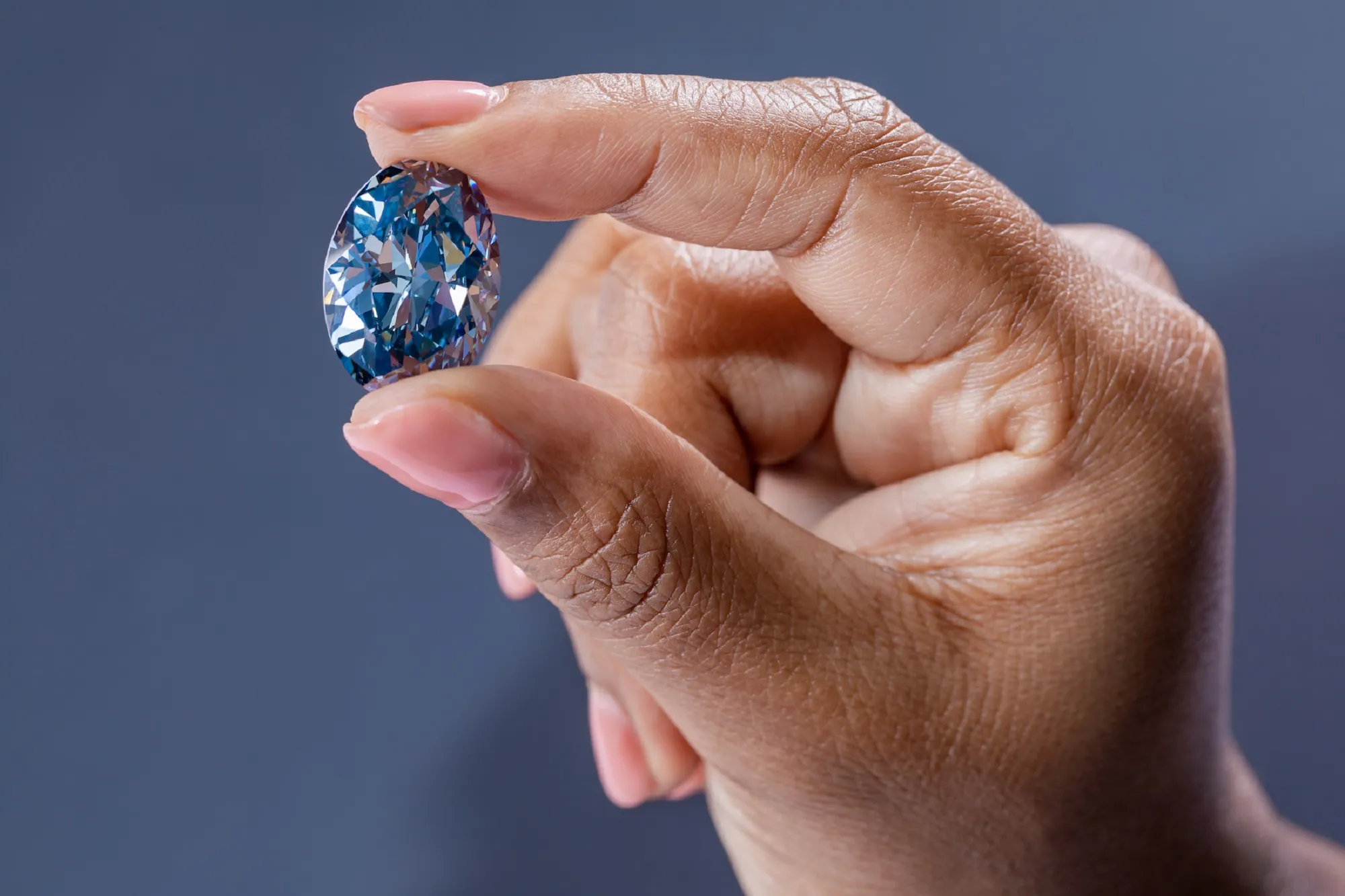
A blue diamond is one of the most beautiful and rare gemstones found in nature. Many people know diamonds as clear stones, but a blue diamond stands out because of its natural blue color. The soft blue shades can range from very light sky blue to deep ocean blue. Beginners often find these stones fascinating because they look elegant and unusual at the same time. Unlike ordinary gemstones, a blue diamond has a natural shine that uniquely reflects light. This gemstone has been admired by collectors and jewelry lovers around the world for many years. Its rich color and strong structure make it both attractive and durable, which is why many people consider it a special stone worth learning about.
How Blue Diamond Forms
A blue diamond forms deep inside the Earth under extreme pressure and heat. Diamonds form from carbon that has been compressed for millions of years beneath the surface. What makes a blue diamond different is the presence of small amounts of boron inside the stone. Boron is a natural element that gives diamonds their blue color. The deeper the color, the more boron is usually present in the structure. Volcanic eruptions push these diamonds from deep underground toward the Earth’s surface. Because the process is rare and slow, only a small number of blue diamonds are found compared to clear diamonds. This long natural process is part of the reason why these stones are so valuable and admired by gem collectors.
Colors and Shades of Blue Diamond
Every blue diamond has its own shade and tone, which makes each stone unique. Some stones have a pale blue color that appears soft and gentle, while others have a strong, deep blue appearance. The color may also show slight hints of gray or green, depending on the natural minerals present during formation. Jewelers often study the color carefully because it plays a big role in how attractive the stone appears. A bright and evenly colored blue diamond usually attracts more attention because it reflects light clearly. Even lighter shades can look beautiful when they are well cut and polished. This variety of shades allows people to choose a stone that matches their personal taste and style.
Characteristics of Blue Diamond
A blue diamond shares many features with regular diamonds but also has some unique qualities. One of the most important characteristics is hardness. Diamonds are among the hardest natural materials on Earth, which means a blue diamond can resist scratches better than most gemstones. This makes it suitable for everyday jewelry. Another important feature is brilliance. When properly cut, a blue diamond reflects light in a bright and sparkling way that makes the stone stand out. Clarity is also considered when examining the stone. Some diamonds have small natural marks, while others appear very clean. These details help determine how the diamond looks and how rare it may be.
Why Blue Diamond Is Rare
A blue diamond is considered rare because the conditions needed to form it are uncommon. Most diamonds form without the elements required to create a blue color. The presence of boron inside the crystal structure is unusual, and this limits how many stones develop the blue shade. Mining companies may search for years without finding a single high-quality blue diamond. Even when these diamonds are discovered, many are small or have uneven color. Larger stones with strong color are especially difficult to find. Because of this limited supply, blue diamonds often attract attention from collectors who appreciate rare natural gemstones. Their rarity adds to their appeal and makes them stand out among other stones.
Uses of Blue Diamond
A blue diamond is often used in jewelry because of its beauty and strength. Rings, necklaces, and earrings often feature these stones to create a striking appearance. The unique color makes jewelry designs look different from pieces made with clear diamonds. Some people also keep a blue diamond as part of a gemstone collection. Collectors often seek unusual stones with rare colors and natural patterns. Museums and exhibitions sometimes display blue diamonds for their natural beauty and historical significance. The stone can also be cut into various shapes, allowing designers to create a wide range of styles. Whether used in jewelry or displayed as a collectible, the gemstone always draws attention because of its distinctive color.
How to Identify a Real Blue Diamond
Identifying a real blue diamond requires careful examination. Natural stones usually show consistent color and strong brilliance when exposed to light. Artificial or treated stones may look bright but often lack the natural depth of color found in genuine diamonds. Professional certification helps confirm whether a blue diamond is natural. Experts use special tools to examine the stone’s structure and composition. They look for signs of natural formation and assess the diamond’s quality. Buyers often rely on certification reports to make sure the gemstone is authentic. This helps protect them from purchasing stones that only look similar but do not have the same natural origin.
Caring for a Blue Diamond
Taking proper care of a blue diamond helps maintain its beauty for many years. Regular cleaning keeps the surface bright and clear. Warm water and mild soap are often enough to remove dirt and oils that collect during normal wear. A soft cloth or gentle brush can be used to clean the stone without scratching it. Storing a blue diamond separately from other jewelry can help prevent damage. Although diamonds are hard, they can still scratch other stones if kept together. Keeping the stone in a safe place protects it from accidental impact. With simple care, the diamond can remain beautiful and bright for generations.
Conclusion
A blue diamond is a remarkable gemstone that combines beauty, strength, and rarity. Its natural blue color makes it different from ordinary diamonds and gives it a special appeal. From its deep underground formation to its use in jewelry, every part of the story adds to its fascination. Beginners who learn about blue diamonds often discover why these stones have been admired for centuries. The unique color and strong structure make a blue diamond a lasting symbol of natural beauty that continues to capture attention worldwide.
READ MORE: selftimes
