


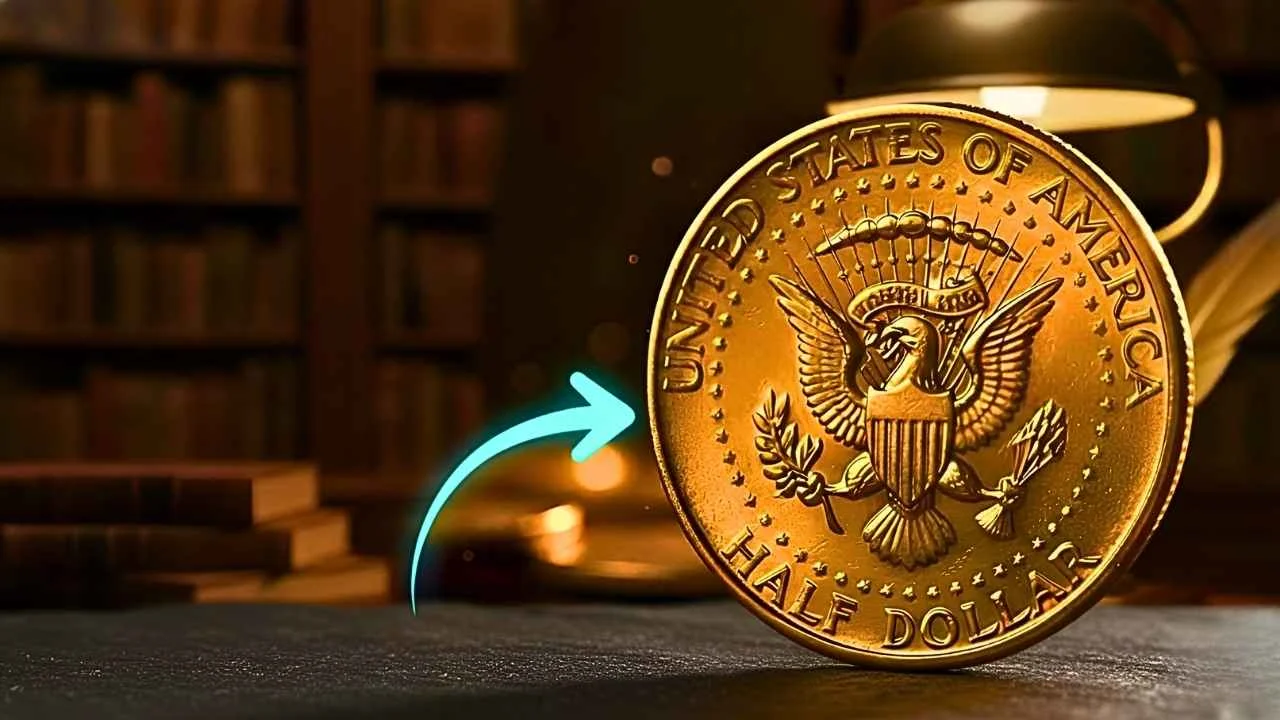
The Kennedy half dollar stands out as one of the most well-known coins ever issued in the United States.It was first released in 1964 to honor President John F. Kennedy after his tragic assassination. From the very beginning, people felt emotionally connected to this coin, and many kept it as a keepsake rather than spending it. Because of this strong public interest, millions were collected and stored away, which played a significant role in shaping the market we see today.
When people talk about this coin, they are usually interested in two things: its history and the Kennedy half-dollar value. Some are surprised to learn that certain years can be worth far more than fifty cents, while others are only worth face value. Understanding why this happens helps collectors make more intelligent choices and avoid common mistakes.
A Short History Behind the Coin
The design of the Kennedy half-dollar was completed very quickly in 1964. The U.S. Mint wanted to honor President Kennedy while public emotions were still strong. The front of the coin shows his profile, while the back features the presidential seal. The first coins were made with 90 percent silver, which immediately gave them extra value beyond their face amount.
People noticed this and began saving them in large numbers. Over time, the silver content was reduced and later removed entirely, creating apparent differences in value between older and newer coins. This simple change is one of the biggest reasons collectors pay close attention to dates when checking the value of a Kennedy half dollar.
What Makes a Kennedy Half Dollar Valuable
Many beginners think value depends only on age, but this is not always true. Several factors work together to determine what a coin is really worth. The year it was minted is essential, especially if it falls within the silver years. Condition also matters a lot. A coin that looks almost new can sell for many times more than one that is scratched and worn. Rarity is another factor.
Some years were produced in smaller numbers, making them harder to find today. Demand from collectors also plays a role. When more people want a particular coin, prices naturally rise. All these elements combine to shape the final market value of the Kennedy half dollar.
Silver Content and Why It Matters
Silver is one of the main reasons older half dollars are worth more. Coins from 1964 are made of 90 percent silver. From 1965 to 1970, the silver content dropped to 40 percent. After 1970, silver was removed from regular circulation coins.
This means a 1964 coin is often worth several dollars even in average condition, simply because of the silver inside it. During times when silver prices rise, the value of these coins can increase even more. Many people who are not collectors still search through old coin jars, hoping to find silver half dollars, because they know these pieces have both metal value and historical importance.
Understanding Mint Marks
Mint marks show where a coin was made. The central locations are Philadelphia, Denver, and San Francisco. Philadelphia coins usually have no mint mark; Denver coins have a “D”; and San Francisco coins show an “S.” Some collectors prefer coins from certain mints, especially proof coins made in San Francisco.
These were mainly produced for collectors and often feature a mirror-like finish. Because fewer proof coins were made, they can be more valuable, especially if they are well preserved. Checking the mint mark is a simple step, but it can make a big difference when estimating the value of a Kennedy half dollar.
Coin Condition and Grading Explained Simply
Condition is one of the most potent factors in coin pricing. Coins are graded on a scale that ranges from heavily worn to perfect condition. A circulated coin has been used in everyday transactions and usually shows scratches and dull surfaces. An uncirculated coin has little or no wear and still keeps much of its original shine. Professional grading companies can assign official grades, but beginners can still make basic judgments by looking closely at details such as hairlines, lettering, and edges. Two coins from the same year can have very different values simply because one is better preserved than the other.
Value Differences by Year
Not every Kennedy half dollar is valuable, and this is where many new collectors feel confused. Coins from 1964 are often the most popular because of their high silver content. Coins from 1965 to 1970 also carry silver, but in smaller amounts. Coins made after 1971 usually contain no silver and are common, meaning they are often worth only face value unless they are in perfect condition or part of a special set. Some years had lower production numbers, which makes those coins slightly more valuable even without silver. Learning which years matter most helps collectors focus their time and money wisely.
Rare Editions and Error Coins
Beyond regular coins, rare editions attract serious collectors. Proof sets, special mint sets, and limited releases often carry higher prices. Error coins are another interesting category. These include coins with double images, missing letters, or unusual markings resulting from production errors. While not every error is valuable, some rare mistakes can dramatically increase the Kennedy half-dollar’s value. Finding such a coin is rare, but it does happen, and that possibility keeps many collectors searching carefully through their collections.
How to Check Current Market Prices
Prices change over time in response to silver markets and collector demand. To stay updated, collectors often use coin price guides, online marketplaces, and auction results. Visiting local coin shops is also helpful because dealers can give quick estimates and explain what buyers are currently paying. Comparing several sources is a smart way to avoid unrealistic expectations. Some sellers overprice their coins online, while others list bargains. Knowing the general market range helps you decide whether to buy, sell, or hold onto a coin.
Tips for New Collectors Buying Their First Coins
Starting a collection does not require a large budget. Many people begin with a few common coins to learn how grading works and how values change. It is best to buy from trusted dealers or well-rated sellers. Avoid cleaning coins, as this can damage their surfaces and reduce their value. Always handle coins by the edges to protect them from fingerprints and scratches. Keeping records of what you buy and how much you paid also helps you track progress and avoid spending more than you planned.
Selling Kennedy Half Dollars the Smart Way
When it comes time to sell, patience can pay off. Rushing into a deal may lead to accepting less than the actual value. Local coin shops offer quick sales, but online platforms may provide higher prices if you are willing to wait. Proper packaging and clear photos help attract serious buyers. Knowing the exact year, mint mark, and condition of your coin makes your listing more trustworthy. A well-informed seller usually gets better results than someone who relies only on guesswork.
Storing Coins to Protect Their Value
Storage is often overlooked, yet it plays a huge role in long-term value. Coins should be kept in dry, cool places away from direct sunlight. Special holders or plastic sleeves designed for coins protect them from air and moisture. Avoid stacking coins without protection because this can cause scratches. Over time, even minor marks can lower the Kennedy half-dollar value, so careful storage is a simple way to protect your investment.
Common Mistakes Beginners Should Avoid
Many new collectors clean their coins, thinking it will make them look better. In reality, cleaning removes natural surfaces and reduces value. Another mistake is buying coins without checking prices first, which can lead to overpaying. Some beginners also focus only on age, ignoring condition, which is just as important. Learning slowly and asking questions prevents these errors and makes the collecting experience more enjoyable.
Why People Still Love This Coin Today
The Kennedy half dollar represents more than its face value. It means a moment in history, a beloved president, and a change in American coinage. Collectors enjoy the mix of emotional value and financial potential. Even people who are not serious collectors often keep one as a souvenir. This enduring popularity ensures steady demand, helping maintain stable prices for valuable pieces.
Conclusion
Collecting half dollars can be both fun and educational. By understanding history, silver content, mint marks, and condition, anyone can better estimate the value of a Kennedy half dollar and make more intelligent choices. Whether you are searching through old family coins or buying your first piece from a dealer, knowledge is your best tool. With patience and careful attention, even beginners can build collections that hold both personal meaning and real market worth.
READ MORE: selftimes
