


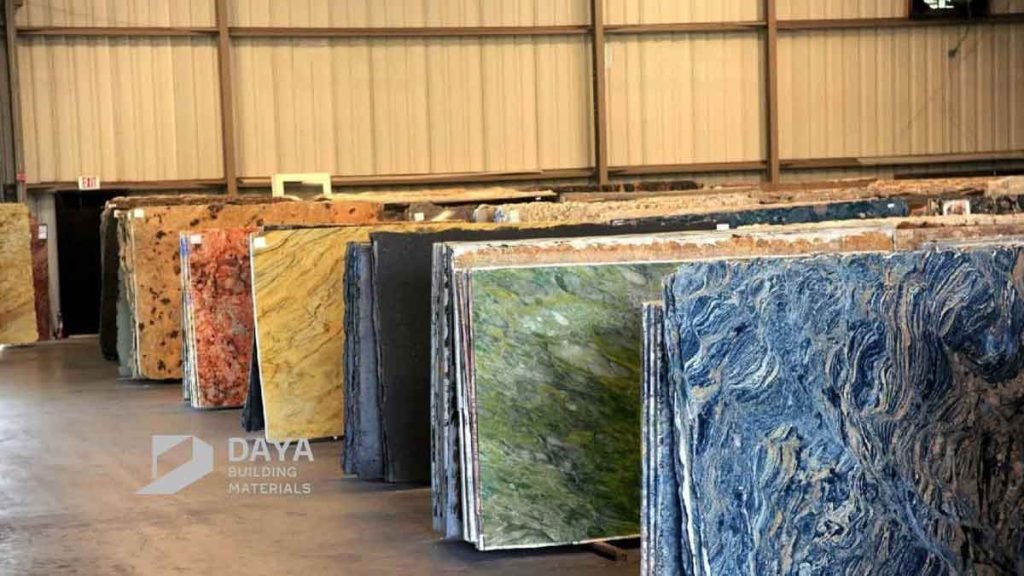
Granite construction has remained a cornerstone of building practices for centuries, and its relevance continues to grow in modern architecture and infrastructure. As a natural stone formed deep within the earth, granite offers a rare combination of strength, durability, and visual appeal that few construction materials can match. From ancient monuments to contemporary commercial buildings, granite construction reflects a balance between structural reliability and timeless design. Today, builders, architects, and property owners increasingly choose granite not only for its appearance but also for its long-term performance and value.
This guide explores granite construction in depth, explaining why it is used, how it is processed and installed, and where it performs best. By understanding its properties and applications, it becomes clear why granite remains one of the most trusted materials in construction worldwide.
Understanding Granite as a Construction Material
Granite forms deep underground as molten rock cools gradually, creating a dense, durable stone.
This process creates a dense, crystalline structure that gives granite its exceptional hardness and strength. Unlike manufactured materials, granite is entirely natural, with each slab displaying unique mineral patterns and color variations. These natural characteristics make granite construction both structurally dependable and visually distinctive.
One of the key reasons granite is widely used in construction is its wear resistance. It does not easily crack, warp, or degrade under pressure, making it suitable for demanding structural and surface applications. Granite also performs well in extreme climates, resisting heat, moisture, and freezing conditions without significant damage. These qualities have made granite a preferred choice for buildings intended to last generations.
Strength and Structural Performance in Granite Construction
The strength of granite is one of its most valuable attributes in construction. With high compressive strength, granite can withstand substantial loads without deforming, making it ideal for structural elements, foundations, and heavy-use surfaces. Unlike softer stones, granite maintains its integrity even under continuous stress, reducing the risk of structural failure over time.
In granite construction, this strength translates into long-term stability. Buildings that incorporate granite in load-bearing components benefit from reduced maintenance and fewer repairs. The stone’s dense composition also makes it resistant to impact and abrasion, which is why it is commonly used in high-traffic areas such as staircases, entryways, and public buildings. When properly installed, granite provides a solid foundation that supports both safety and durability.
Durability and Resistance to Environmental Stress
Durability is a defining feature of granite construction. Granite naturally resists weathering caused by rain, wind, sunlight, and temperature changes. Unlike many materials that fade or weaken over time, granite retains its strength and appearance even after decades of exposure. This makes it especially suitable for exterior applications such as facades, pavements, and monuments.
Granite is also highly resistant to moisture, which helps prevent mold growth, erosion, and internal damage. In regions with heavy rainfall or freeze-thaw cycles, granite construction offers a reliable solution that minimizes long-term deterioration. Its heat resistance further enhances its value, enabling it to perform well in high-temperature or direct-sunlight environments without cracking or discoloration.
Granite Quarrying and Processing for Construction Use
Granite construction begins long before installation, starting at the quarry. Large blocks of granite are extracted from natural stone quarries using controlled cutting and drilling techniques. These methods ensure that the stone maintains its structural integrity during removal. Once extracted, the granite blocks are transported to processing facilities where they are cut into slabs or shaped into specific components.
Processing involves cutting, polishing, and finishing the stone to meet construction requirements. Polished granite offers a smooth, refined surface ideal for interiors, while flamed or textured finishes provide slip resistance for outdoor applications. Quality control is a critical step in granite construction, as each slab must be inspected for consistency, strength, and surface quality before installation. This careful preparation ensures that the final structure meets both safety and aesthetic standards.
Installation Methods in Granite Construction
Proper installation is essential to the success of granite construction. Due to its weight and density, granite requires skilled handling and precise placement. Installation begins with thorough surface preparation, ensuring that foundations or substrates are level, stable, and capable of supporting the stone’s weight.
Granite slabs or blocks are typically secured using mechanical anchors, mortar systems, or adhesive bonding methods, depending on the application. Joints must be carefully aligned and sealed to prevent moisture infiltration and allow for natural expansion. When installed correctly, granite forms a stable and durable surface that remains secure for decades. Poor installation, however, can compromise even the strongest material, which is why professional expertise is critical in granite construction projects.
Granite Construction in Residential Buildings
In residential construction, granite is widely used for both structural and decorative purposes. Homeowners often choose granite for flooring, staircases, countertops, and exterior features because of its durability and premium appearance. Granite construction in homes enhances long-term value, as the material resists damage from daily use and requires minimal maintenance.
Granite also contributes to a sense of permanence and quality in residential design. Its natural patterns add character to interiors, while its strength ensures that surfaces remain intact despite heavy use. For homeowners seeking materials that combine beauty with reliability, granite construction offers a durable, long-lasting solution.
Commercial and Public Applications of Granite Construction
Granite construction plays a significant role in commercial and public projects, where durability and safety are essential. Office buildings, government facilities, educational institutions, and transportation hubs frequently use granite for flooring, walls, and exterior cladding. These environments demand materials that can withstand constant foot traffic, heavy loads, and frequent cleaning without degrading.
In public infrastructure, granite is often used for pavements, curbs, bridges, and monuments. Its resistance to weather and mechanical stress makes it ideal for outdoor applications that require long service life. Granite construction in public spaces not only ensures functional reliability but also conveys a sense of strength and permanence, enhancing civic architecture.
Maintenance and Longevity of Granite Structures
One of the advantages of granite construction is its low maintenance requirements. Granite surfaces are easy to clean and do not require frequent treatments to maintain their appearance. Sealing may be applied in specific applications to enhance stain resistance, but overall upkeep is minimal compared to other materials.
Granite’s longevity is another key benefit. Structures built with granite often remain in excellent condition for decades or even centuries. When damage occurs, granite can usually be repaired or refinished rather than replaced, thereby extending its lifespan. This long-term performance makes granite construction a cost-effective choice despite a higher initial investment.
Cost Considerations in Granite Construction
Granite construction typically entails higher upfront costs than some alternative materials. These costs include quarrying, processing, transportation, and professional installation. However, when evaluated over the full life cycle of a building, granite often proves economical due to its durability and low maintenance needs.
The long lifespan of granite reduces replacement and repair expenses, while its resistance to damage minimizes ongoing costs. For projects where long-term performance and reliability are priorities, granite construction offers substantial value despite the initial expense. Budget planning should account for both short- and long-term factors when selecting granite as a building material.
READ MORE: Self Times
