


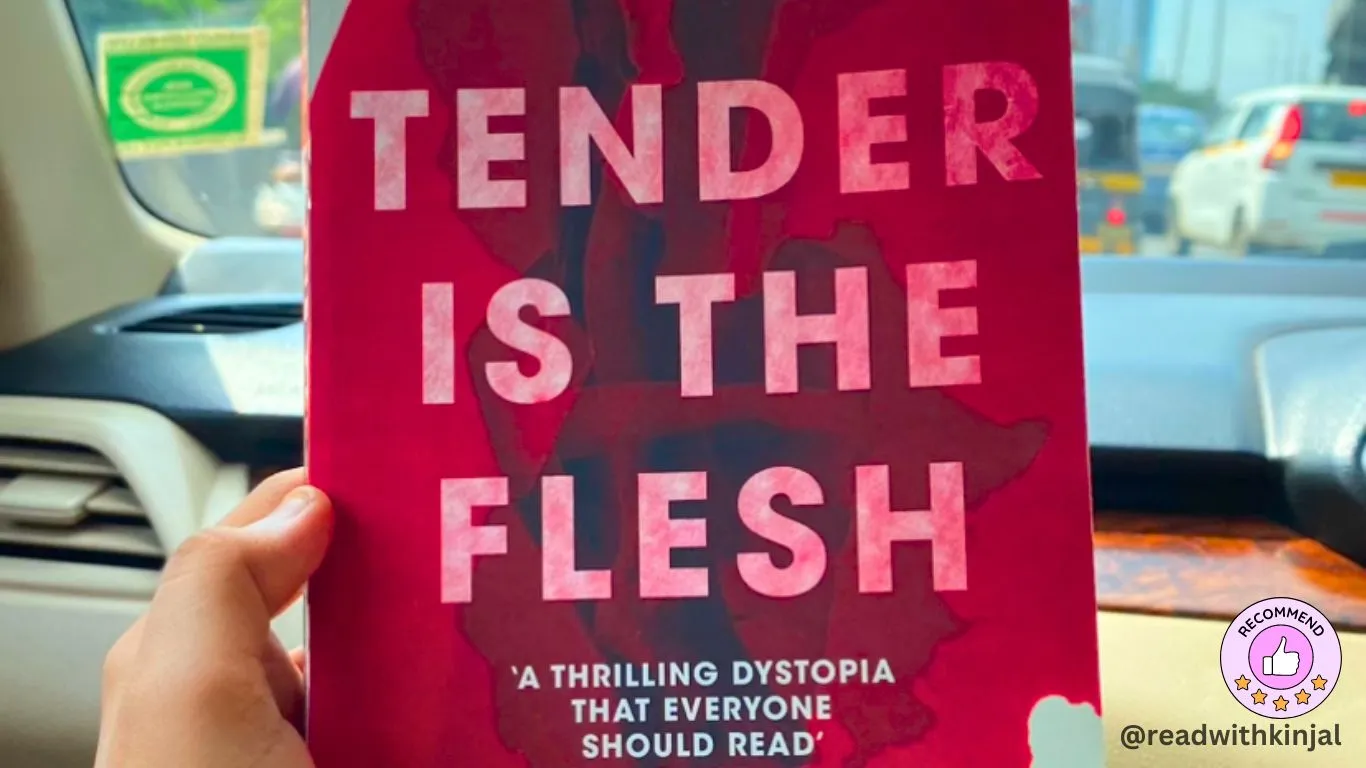
In the realm of dystopian literature, few concepts strike as profoundly as the central theme, as indicated by the focus keyword “tender is the flesh.” The phrase evokes a haunting blend of vulnerability and violence, hinting at a world where the boundaries of morality have been dismantled and replaced with systems that value survival above humanity. In this article, we explore the meaning, implications, and layered symbolism behind “tender is the flesh,” examining how it reflects the consequences of societal dehumanization, economic collapse, and moral decay. This article approaches the subject with depth and nuance, offering an informative, human-written analysis that sheds light on the unsettling truths embedded in a broken world.
The Rise of a System Defined by Necessity and Denial
At the core of “Tender is the Flesh” lies a society forced to adopt extreme measures in the wake of catastrophic global events. These events—whether biological, environmental, or politically orchestrated—reshape the fabric of civilization; traditional sources of sustenance collapse. Supply chains disintegrate. Governments no longer have the capacity to uphold conventional ethical standards. In this vacuum of desperation, a new system emerges—one where human bodies become commodities for survival.
This shift is not framed as a choice but as a necessary adaptation. The system is built on a carefully crafted narrative: that old moral frameworks are outdated relics of a world that no longer exists. Citizens are instructed to accept the new order not only as essential but also as rational. Yet beneath the surface lies a complex network of denial. People participate not because they believe in the system’s righteousness, but because refusal seems unthinkable. Fear of collapse, punishment, or starvation overrides their instinct to resist.
The phrase “tender is the flesh” becomes emblematic of this denial. It symbolizes a societal effort to soften brutality through language—a linguistic shield that masks horrors behind euphemisms. By normalizing the unthinkable, the system converts atrocity into routine. Over time, individuals forget where survival ends and complicity begins.
Desensitization and the Fragmentation of Humanity
One of the most striking aspects of the world shaped around “tender is the flesh” is the emotional numbness that begins to take root. In environments where cruelty becomes systemic, people adapt not only physically but psychologically. They learn to detach from the implications of their actions. Workers in processing facilities grow accustomed to their daily tasks. Officials performing routine inspections treat human bodies as inventory. Every day, citizens avert their eyes from unsightly truths, choosing comfort in ignorance.
This desensitization is not born from malice but from necessity. In a world where survival hinges on compliance, moral resistance becomes a liability. Individuals convince themselves that emotional distance is the only path forward. Yet every suppressed instinct and silenced conscience fractures their humanity a little more.
The focus keyword “tender is the flesh” underscores this fragmentation. The word “tender” suggests care or delicacy, but when paired with “flesh,” it becomes deeply ironic. It highlights how language is manipulated to normalize cruelty and blur emotional boundaries. Over time, citizens forget the value of empathy, replacing it with sterile efficiency. The result is a collective emotional erosion—a society that functions but no longer feels.
Power Structures and the Reinforcement of Control
Any system as morally inverted as the one represented by “tender is the flesh” relies heavily on control. This control is not just political or physical; it is psychological. Governments or ruling entities craft narratives that ensure compliance by reshaping the truth itself.
The structure of power in this world thrives on:
- Fear, which keeps citizens obedient.
- Information control prevents them from discovering alternatives.
- Dehumanization, which leads them to view specific individuals as lesser or expendable.
- Economic dependence binds them to the system for basic survival.
By tightening its grip on every aspect of daily life, the ruling structure eliminates the possibility of rebellion before it takes root. Even those who question the system struggle to articulate their doubts because they lack both the language and support to express dissent. This reinforces a chilling reality: when a society’s moral compass is shattered, power consolidates effortlessly. The system becomes self-perpetuating, thriving on the very victims it dehumanizes.
What makes “Tender is the Flesh” especially disturbing is its portrayal of a world where individuals internalize their subjugation. They stop imagining alternatives. They stop asking questions. And ultimately, they stop believing in the possibility of redemption.
Identity, Loss, and the Struggle to Remember Humanity
Amid the oppressive structure of a broken world, individuals face an internal battle to retain their sense of identity. When a society categorizes people as resources rather than beings, personal identity becomes fragile. Family structures crumble, relationships fade, and emotional connections are severed for survival.
Yet despite this, the human spirit does not disappear entirely. Many characters and citizens in this conceptual universe cling to memories of a world before the collapse—memories that remind them that tenderness once meant compassion, not consumption. These memories act as emotional anchors, giving them the strength to question the system even when doing so is dangerous.
The phrase “tender is the flesh” becomes a tragic reminder of what has been lost. It reflects a world where tenderness no longer refers to human kindness, but to the physical softness of bodies repurposed for survival. This twisted redefinition pushes individuals to confront whether humanity is defined by biology or by moral choice. Through this struggle, a powerful message emerges: even in a system designed to eradicate empathy, fragments of compassion can survive.
Moral Collapse and the Redefinition of Ethics
The dystopian environment framed by “Tender is the Flesh” forces society to grapple with an unsettling question: when survival is threatened, how far will humanity go? Ethics, in this world, do not simply shift—they are rewritten entirely. What was once unthinkable becomes normalized. What was once immoral becomes industrial.
This moral collapse reveals how fragile ethical frameworks truly are. When institutions crumble and resources dwindle, ethics become vulnerable to re-interpretation. The system exploits this vulnerability and presents its methods as the only rational option. Citizens convince themselves that their actions are justified because they have no alternatives. This rationalization becomes a powerful tool that erases guilt and fortifies compliance.
The phrase “tender is the flesh” becomes a symbol of corrupted ethics. It reflects a world that has redefined morality not as a universal principle but as a flexible tool for maintaining order. By dissecting this transformation, we are forced to examine our own society’s ethical boundaries and question how resilient they truly are under pressure.
Resistance, Rebellion, and the Possibility of Change
Despite the system’s overwhelming power, resistance inevitably forms. Human beings possess an intrinsic drive toward freedom, dignity, and self-determination. For some individuals, the crushing weight of the system becomes too heavy to bear, and they begin to push back.
Resistance manifests in different ways:
- Small acts of compassion go unnoticed in the public eye.
- Quiet defiance by those who refuse to comply fully.
- Underground networks that gather evidence, rescue victims, or sabotage operations.
- Personal rebellion, in which individuals reclaim their humanity even at high personal cost.
What makes resistance in the “tender is the flesh” world unique is its emotional foundation. Resistance is not driven by political ambition or ideological conflict—it is born from the simple desire to feel human again. Every act of defiance becomes a testament to the enduring power of empathy, even in the bleakest environments.
Change in such a world is slow, fragile, and dangerous. But it starts with a single realization: that humanity is not defined by the systems we build, but by the moral choices we make.
Conclusion: The Haunting Legacy of “Tender Is the Flesh“
The phrase “tender is the flesh” serves as a chilling metaphor for a world that has abandoned its moral compass in the name of survival. It represents the dangers of dehumanization, the fragility of ethical structures, and the psychological toll of systemic brutality. Yet within this dark landscape lies a powerful lesson—one that resonates far beyond fiction.
It reminds us that humanity’s greatest strength is not in power or control, but in compassion. When societies face a crisis, their response determines not only their survival but also their identity. A world may endure catastrophes, shortages, or collapse, but it cannot survive the loss of empathy without becoming monstrous.
In examining “Tender is the Flesh,” we confront the unsettling truth that any society is only a few steps away from moral decay when fear and desperation overshadow humanity. But we also find hope in the resilience of individuals who refuse to let their humanity be stripped away. Their defiance reminds us that even in a broken world, the capacity for genuine tenderness can survive.
READ MORE:selftimes
