


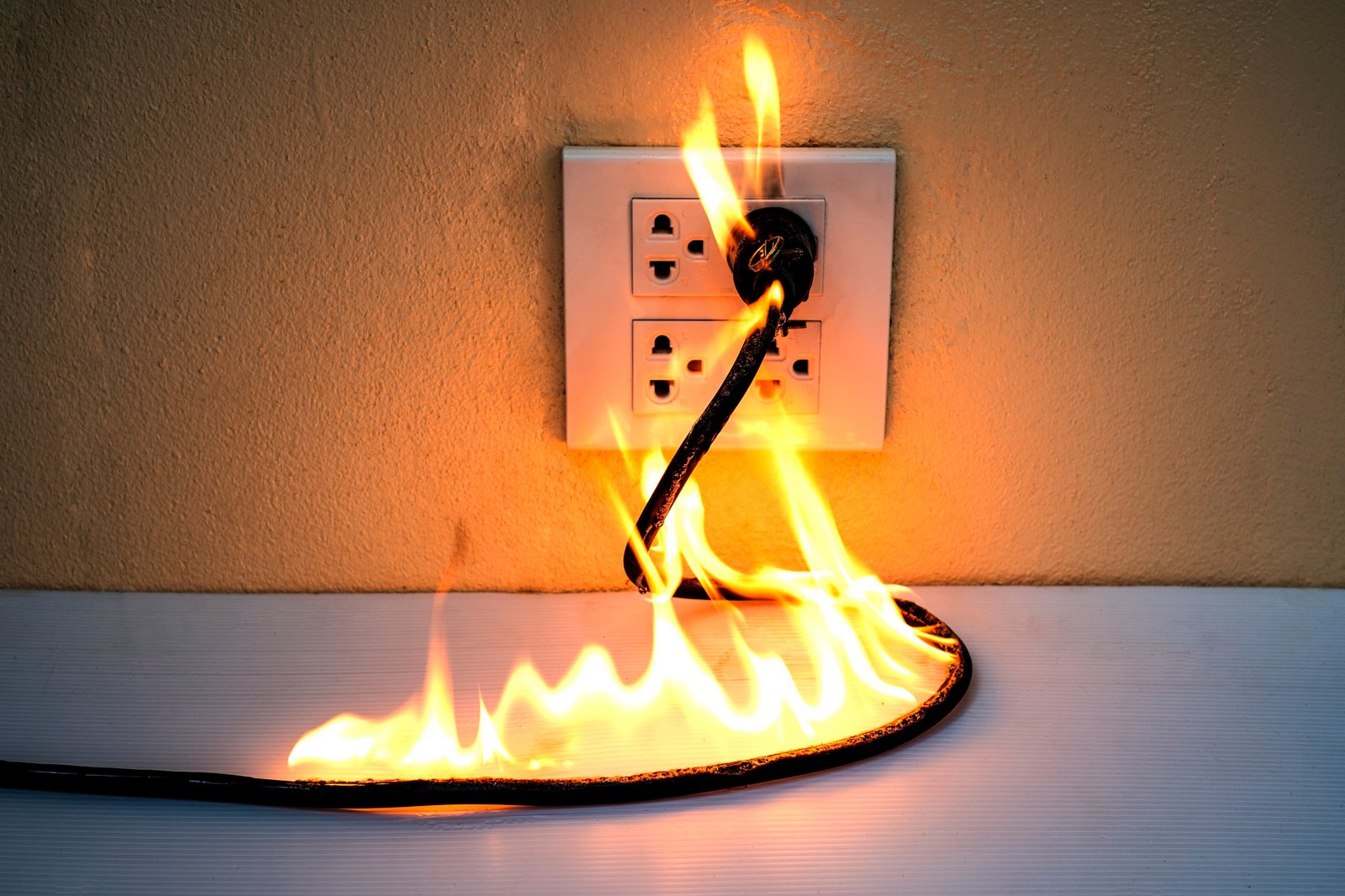
To understand modern electricity safely, it is essential to clearly answer one fundamental question: What is a short circuit? A short circuit is among the most frequent electrical problems and poses serious safety risks. Yet many people learn about it only after experiencing a power failure, damaged appliances, or a tripped breaker. In simple terms, a short circuit occurs when electrical current takes an unintended path with very little resistance. This abnormal flow causes excessive current, rapid heat buildup, and immediate stress on electrical components. Whether in homes, workplaces, or industrial systems, short circuits are a major cause of electrical hazards, making it crucial to understand how they occur, the effects they create, and how to prevent them through proper safety measures.
How Electrical Circuits Normally Work
Before explaining what a short circuit is, it helps to understand how electricity behaves under normal conditions. In a properly designed circuit, electrical current flows from a power source through conductors, passes through a load such as a light bulb or appliance, and returns safely to the source. Resistance within the circuit limits the current to safe levels, ensuring controlled energy use. Wires, switches, and components are insulated to prevent electrical current from flowing outside their intended path. This balance of current, voltage, and resistance allows electrical systems to function efficiently without overheating or failure.
How Short Circuits Form and Why They Happen
A short circuit occurs when an unintended low-resistance path bypasses the intended route for electrical current. Instead of flowing through the load, the current finds a shortcut between conductors, such as between live and neutral wires. Because resistance is suddenly reduced, current increases sharply within milliseconds. This surge can generate intense heat, sparks, and pressure, which is why short circuits are treated as emergencies in electrical safety. The faster the current rises, the greater the potential damage, making rapid detection and protection essential.
Common Causes of Short Circuits
Short circuits do not occur randomly; physical or environmental factors usually cause them. Damaged insulation is one of the most common causes, often due to aging wires, rodent activity, or mechanical stress. Loose connections can allow wires to make unintended contact. Faulty appliances with internal wiring defects may also cause short circuits. Moisture is another major contributor, as water can conduct electricity and bridge gaps between conductors. Understanding these causes helps explain why regular inspections and quality materials are critical for electrical safety.
Types of Short Circuits in Electrical Systems
When asking what a short circuit is, it is essential to recognize that not all short circuits are identical. A line-to-line short circuit occurs when two live conductors make direct contact, resulting in a very high current. A line-to-ground short circuit happens when a live wire touches a grounded surface, such as a metal casing. There are also internal short circuits that occur within devices when internal components fail. Each type presents different risks, but all require immediate power interruption to prevent damage.
Immediate Effects of a Short Circuit
The effects of a short circuit are often sudden and dramatic. Excessive current generates intense heat that can melt wire insulation or damage metal conductors. Sparks or arcs may appear at the fault location, increasing the risk of fire. Electrical systems are designed to respond quickly by triggering protective devices, but if protection fails or is absent, severe damage can occur. Equipment may become permanently damaged, and surrounding materials can ignite if temperatures rise high enough.
Long-Term Damage Caused by Short Circuits
Beyond immediate hazards, short circuits can cause long-term problems within electrical systems. Repeated short circuits degrade insulation and reduce the service life of electrical components. Circuit breakers exposed to frequent faults may lose sensitivity over time. Appliances that survive a short circuit may suffer internal degradation, leading to reduced efficiency or future failures. These long-term effects explain why identifying and correcting the root cause of short circuits is just as important as restoring power.
Role of Circuit Breakers and Fuses
Protection devices play a critical role in managing short circuits. Circuit breakers are designed to detect excessive current and automatically disconnect power when a fault occurs. Fuses serve a similar purpose: they melt when current exceeds safe levels, breaking the circuit. These devices prevent wires from overheating and limit the duration of dangerous current flow. Without them, even a small short circuit could escalate into severe electrical damage or fire.
Importance of Grounding in Short Circuit Safety
Grounding is another essential aspect of electrical safety for short-circuit protection. A properly grounded system provides a safe path for excess current to flow into the earth. In the event of a line-to-ground short circuit, grounding helps stabilize voltage levels and reduces the risk of electric shock. Grounding also supports protective devices by allowing fault current to rise quickly enough to trigger breakers or fuses. This coordinated response significantly reduces hazard levels.
Recognizing Warning Signs of a Short Circuit
Knowing what a short circuit is also involves recognizing early warning signs. Frequent breaker trips, flickering lights, and sudden power loss in specific circuits may indicate a fault. Burning smells, discoloration around outlets, or unusual buzzing sounds should never be ignored. These signs suggest that electrical current is flowing abnormally and that a short circuit may already be present or developing.
Preventing Short Circuits Through Proper Installation
Prevention begins with proper electrical design and installation. Using high-quality insulated wiring, securing connections tightly, and complying with electrical codes reduces the risk of unintended contact between conductors. Appliances should be installed according to manufacturer guidelines, and extension cords should never be overloaded. Thoughtful installation creates stable circuits that resist mechanical stress and environmental exposure.
Maintenance and Inspection for Electrical Safety
Routine maintenance plays a vital role in preventing short circuits. Periodic inspections help identify worn insulation, loose connections, or signs of moisture intrusion. Replacing aging components before they fail minimizes unexpected faults. Maintenance is essential in areas exposed to vibration, heat, or humidity, where electrical wear occurs faster.
Safety Measures During a Suspected Short Circuit
If a short circuit is suspected, safety must be the top priority. Power should be turned off immediately at the primary source if it is safe to do so. Exposed wires or damaged outlets should not be touched. Professional assistance is recommended to diagnose and repair the issue, as improper handling can increase the risk of damage. Prompt action reduces the chance of further damage or injury.
Short Circuits in Everyday Electrical Systems
Short circuits are not limited to large installations; they can occur in everyday household systems. Kitchen appliances, power tools, and lighting circuits all rely on insulated conductors that can fail over time. Understanding what a short circuit is helps users recognize risks in daily electrical use and encourages safer habits, such as avoiding damaged cords and ensuring proper ventilation for appliances.
Why Understanding Short Circuits Matters
Electrical systems power nearly every aspect of modern life. Understanding what a short circuit is empowers individuals to make informed decisions about safety, maintenance, and usage. Awareness reduces panic during electrical faults and supports quicker, safer responses. Knowledge also promotes preventive behavior, lowering the likelihood of dangerous incidents.
Conclusion: Electrical Awareness and Safety
In conclusion, answering the question of what a short circuit is requires more than a simple definition. A short circuit is a serious electrical fault caused by unintended low-resistance paths that allow excessive current to flow. Its effects range from minor power interruptions to severe equipment damage and fire hazards. By understanding how short circuits occur, recognizing their warning signs, and applying proper safety measures, individuals can significantly reduce electrical risks. Electrical awareness, combined with protective devices and responsible maintenance, remains the foundation of safe and reliable power systems.
READ MORE: Self Times
