


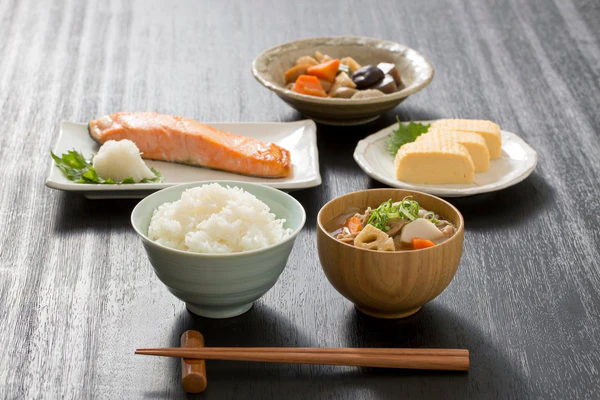
You may think of toast and eggs, cereal, or even a stack of pancakes when you think of breakfast. However, go around the globe to Japan, and you will find a totally different morning ritual. The Japanese breakfast is a gorgeous, harmonious dish, full of flavor and firmly rooted in centuries-old traditions. It is not a sweetened cereal or a pastry to go; it is healthy, beautifully packaged, and made to energize the body and the mind.
Being a foodie, an adventurous traveler, or someone who wants to bring something new to their mornings, reading about a Japanese breakfast will give you insight into Japanese culture and how the nation takes care of its health and well-being. This paper discusses what constitutes a typical Japanese breakfast, the main types of food used, easy-to-make recipes, and the culture surrounding the morning meal, which is a daily ritual.
What is Special about a Japanese Breakfast?
A Japanese breakfast brings together balanced flavors, varied textures, and vibrant colors in one beautifully arranged meal.
In contrast to a Western breakfast, which is often focused on bread or cereal, a typical Japanese breakfast is built around rice and a variety of small, complementary dishes.
The focus of this meal is on balance and nutrition. Every ingredient is carefully selected to deliver energy, comfort, and satisfaction, and breakfast in Japan is not just a meal but an experience.
What is a Japanese Breakfast?
The Japanese breakfast is all about harmony and diversity. The Japanese breakfast consists of multiple small dishes, unlike the Western breakfast, which usually revolves around a single main dish. All the components offer unique taste, texture, and nutritional value, and together they make one meal that fulfills all the senses.
This idea is referred to as ichiju-sansai (one soup, three dishes). This is not only a healthy way of eating but also a Japanese philosophy of eating with the eyes, enjoying every bite, and enjoying the seasons.
Key Elements of a Japanese Breakfast
Let’s take a closer look at what makes up a traditional Japanese breakfast.
Although ingredients and side dishes may vary by region and household, the following are the most common breakfast table items.
| Food Item | Purpose in the Meal | Common Preparation |
| Steamed Rice | Staple carbohydrate | Plain, short-grain |
| Miso Soup | Warm, savory comfort | With tofu, seaweed, scallion |
| Grilled Fish | Protein | Lightly salted, broiled |
| Pickles | Palate cleanser | Cucumber, daikon, umeboshi |
| Nori (Seaweed) | Flavor & minerals | Sheets or strips |
| Tamagoyaki | Sweet omelette | Rolled, sliced |
Japanese Breakfast Foods: A Closer Look
1. Steamed Rice (Gohan)
The main dish of any Japanese breakfast is a bowl of steamed white rice. Rice in Japan is short and a bit sticky, making it easy to pick up with chopsticks. It is the canvas on which the other flavors are projected, both comforting and energizing.
2. Miso Soup (Misoshiru)
A bowl of miso soup is a must for any typical Japanese breakfast. This soup is a soothing broth made with fermented soybean paste (miso) and usually includes tofu cubes, wakame seaweed, and green onions. It is hot, salty, and full of umami.
3. Grilled Fish (Yakizakana)
A simple grilled fillet of fish, like salmon or mackerel, is one of the traditional protein staples at the breakfast table.
The fish is seasoned with a small amount of salt and roasted until barely cooked. Its light taste and crunchy texture pair well with the rice and soup.
4. Japanese Pickles (Tsukemono)
The pickled vegetables add freshness and crunch to the breakfast table. It may include crunchy cucumber slices, tangy pickled plums (umeboshi), and fresh daikon radish.
These pickles are useful for stimulating appetite and digestion.
5. Nori (Seaweed)
Nori is a thin sheet of seaweed commonly used with rice. They are accustomed to wrapping small bites or adding a salty, mineral-rich bite to the meal.
6. Tamagoyaki (Japanese Omelette)
Tamagoyaki is a sweet, rolled omelette seasoned with soy sauce and mirin. It is cut into small pieces and provides a mild, slightly sweet contrast to the other savory dishes.
7. Natto (Fermented Soybeans)
Natto is a sticky fermented soybean dish that has a strong smell and taste for adventurous people. It is a Japanese breakfast superfood rich in protein and probiotics.
8. Side Dishes
The other foods that the Japanese serve for breakfast can be boiled spinach, simmered vegetables, or even a small salad. It is always about variety and seasonality.
The Morning Culture: Ceremonies and Manners
A Japanese breakfast goes beyond a simple meal; it is a meaningful morning tradition passed down through generations. Mornings are very quiet, and the families sit together, talking about the meal and enjoying it. The food is presented on small trays, with each item in its own dish. The one who dares to leap into the unknown does not need to justify it to those who stay behind. Our minds are shaped by the thoughts we nurture. When a school door opens, a prison door quietly shuts.
There is Japanese etiquette as well. Before eating, it is good to say Itadakimasu (I humbly receive) and after eating Gochisousama deshita (thank you very much). Dining is done at a leisurely pace, and it is usual to eat most of the food with chopsticks.
Traditional Japanese Breakfast vs. Western Breakfast
| Feature | Traditional Japanese Breakfast | Western Breakfast |
| Main Staple | Steamed rice | Bread, cereal, eggs |
| Soup | Miso soup | Rare |
| Protein | Grilled fish, eggs | Bacon, sausage, eggs |
| Pickles/Vegetables | Yes | Seldom |
| Sweetness Level | Low | Often high |
| Variety | Multiple small dishes | One or two items |
| Preparation Time | Moderate | Usually quick |
Simple Japanese Breakfast Recipes to Try at Home
Curious about what it is like to have a typical Japanese breakfast? Some easy recipes you can replicate in your kitchen are the following.
Steamed Rice
Ready products: Japanese short-grain rice, water.
Wash the rice several times until the water runs clear, free of cloudiness.
Place the rice in a cooker with water at a 1:1.2 ratio, then cook according to the appliance instructions.
Miso Soup
You will need 2 cups of dashi broth, 2 tablespoons of miso paste, half a block of firm tofu diced into cubes, 2 tablespoons of sliced green onions, and a small handful of wakame seaweed.
Method: Simmer dashi stock in a pot. Blend the miso paste with a little hot broth until smooth, then stir it into the pot. Add the wakame and tofu, and let everything simmer for about two minutes.
Garnish with green onions.
Japanese Omelette (Tamagoyaki).
You will need 3 eggs, 1 tablespoon of soy sauce, 1 tablespoon of mirin, 1 teaspoon of sugar, and a little oil for cooking.
Method: Whisk the eggs together with soy sauce, mirin, and sugar until well combined.
ed with soy sauce, mirin, and sugar. Heat a small, lightly oiled nonstick pan. Pour a thin layer of the egg mixture, roll it as it cooks, then add more egg and continue until all the egg mixture is used.
Slice and serve.
Grilled Fish
- Directions: Preheat the oven to 400F. Season the salmon with salt, then place it in the oven and bake until it is fully cooked through.
- Instructions: Sprinkle salmon with salt. Cook it under the grill or broiler for about 4 to 5 minutes on each side, until it is fully done and lightly golden on the outside.
Japanese Breakfast: Regional and Modern
Although these ingredients are classic staples, Japanese breakfasts vary from region to region and also reflect modern influences.
Regional Specialties
- In Osaka, breakfast might feature okonomiyaki, a savory pancake, or warm and crispy takoyaki.
- In Kyoto, yudofu, or warm simmered tofu, is especially popular for breakfast during the colder months.
- In Okinawa, people often enjoy purple sweet potatoes or goya champuru, a stir-fried bitter melon dish, for breakfast.
Western Influence
Many Japanese homes now include toast, coffee, or yogurt as part of their weekday routines for convenience. Still, on weekends or special days, families often return to a traditional Japanese breakfast spread.
Japanese breakfast is healthy for a reason
A Japanese breakfast is widely appreciated for its many health benefits.
Here’s why:
- Balanced nutrition: Rice, fish, vegetables, and fermented items come together to supply protein, fiber, vitamins, and essential minerals.
- Japanese breakfast: Light on sugar. A Japanese breakfast is generally far less sweet compared to many typical Western morning meals.
- Portion awareness: Serving food in small dishes promotes mindful eating and helps avoid overeating.
Probiotics: Fermented foods such as miso and natto support healthy digestion and promote gut health.
The Japanese Breakfast at Home
- Start simple: rice, miso soup, and grilled fish.
- Make use of extras: Many side dishes can be prepared from leftovers or saved to serve again at dinner.
- Try pickles: Include ready-made or homemade pickled vegetables to bring extra color and taste to the meal.
- Be mindful: Take a seat, chew slowly, and truly savor each bite of your meal.
Conclusion
Exploring a traditional Japanese breakfast is more than tasting food; it opens a window into Japan’s culture, wellness, and daily life. With its gentle balance of flavors, nourishing dishes, and thoughtful rituals, it has something to offer everyone.
By understanding what a typical Japanese breakfast includes, learning a few easy recipes, and embracing some morning traditions, you will be able
to taste Japan in your own kitchen. A Japanese breakfast is a refreshing option if you want to eat healthier, explore global flavors, or try something different.
So why not wake up tomorrow and treat yourself to a Japanese breakfast? Your body and your taste buds will both thank you.
READ MORE: selftimes
