


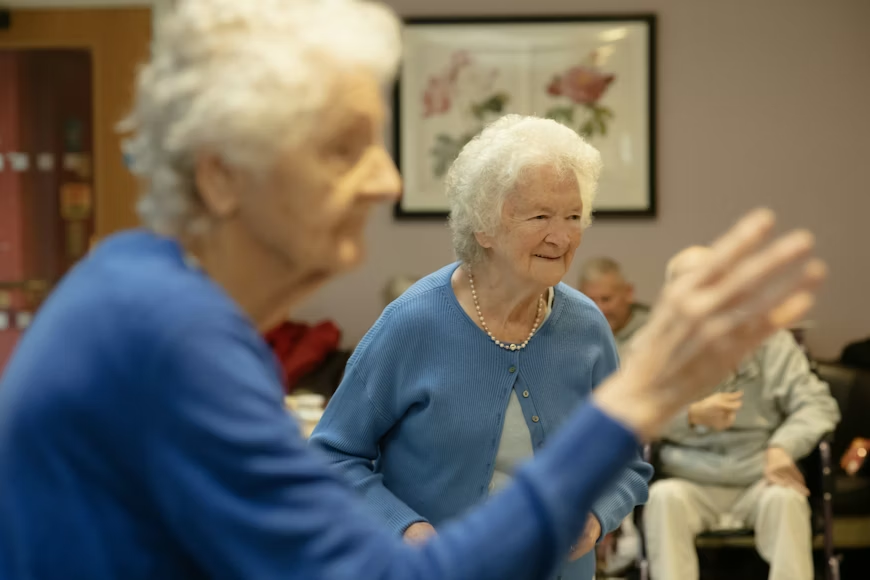
Healthy lifestyle habits play an essential role in supporting senior wellbeing, particularly as physical, emotional, and cognitive needs evolve with age. Seniors benefit from routines that help maintain mobility, strengthen the mind, support emotional balance, and promote independence. Families who understand which habits provide the greatest long-term benefits can better guide their loved ones toward choices that enhance both daily comfort and overall quality of life. Focusing on practical, sustainable routines empowers seniors to maintain confidence and stay engaged in activities that bring meaning and enjoyment.
Prioritizing Nutritious Eating for Long-Term Health
A balanced diet is one of the most powerful contributors to senior wellbeing. As the body ages, nutritional needs shift, making it essential to consume foods that support energy, immune health, and cognitive function. Meals rich in vegetables, fruits, whole grains, and lean proteins help nourish the body while reducing inflammation and supporting digestive health. Hydration is equally important, as older adults may not always feel thirst as clearly as they once did. Families can support healthy eating by preparing meals together or planning simple menus that encourage consistency. This shared approach not only promotes better nutrition but also strengthens connections. A thoughtful diet supports physical vitality and contributes positively to health and wellness for seniors, reinforcing the importance of daily routines that nourish both body and mind.
Supporting Mobility Through Regular Movement
Physical activity is essential for maintaining strength, balance, and flexibility as people age. Regular movement can help prevent falls, manage chronic conditions, and improve overall energy levels. Seniors often benefit from low-impact exercises that are gentle on the joints, such as walking, swimming, stretching, or practicing chair-based movements. Consistency is more important than intensity. Many older adults find that brief periods of activity throughout the day feel more manageable than longer sessions. Families can help by identifying forms of exercise that match the individual’s comfort and interests. Movement not only strengthens the body but also plays a meaningful role in supporting mental clarity and stabilizing mood. When physical routines are built into daily life, seniors often feel more confident and capable in their mobility.
Strengthening Cognitive Health Through Mental Engagement
Mental stimulation is another essential aspect of senior wellbeing. The mind thrives when challenged with activities that encourage focus, creativity, or problem-solving. Reading, puzzles, games, crafting, and learning new skills can all help maintain cognitive sharpness. Social interaction also supports cognitive health by encouraging conversation, emotional engagement, and collaboration. Many seniors find joy in group activities at community centers, libraries, or faith-based organizations, which provide both stimulation and companionship. For those who prefer quiet hobbies, tasks such as journaling, playing music, or working on small household projects can offer meaningful mental engagement. Tailoring mentally stimulating activities to individual interests allows seniors to remain active participants in their daily lives while supporting long-term cognitive resilience.
Promoting Emotional Balance Through Connection
Emotional well-being is closely linked to seniors’ health. Feelings of loneliness, isolation, or anxiety can undermine overall wellness and make daily life more challenging. Regular emotional connection plays a vital role in helping seniors maintain stability and a sense of purpose. Family visits, social gatherings, phone calls, and shared activities create opportunities for meaningful interactions that support emotional health. Encouraging seniors to maintain friendships or join community groups can also reduce feelings of isolation. Even brief moments of connection, such as a shared meal or a short walk with a neighbor, help reinforce a sense of belonging. Emotional well-being is further strengthened when seniors feel heard, valued, and supported. Families who prioritize open communication and understanding create an environment where seniors feel encouraged rather than alone.
Supporting Restorative Sleep for Daily Vitality
Quality sleep is a fundamental contributor to senior wellbeing, yet many older adults experience changes in sleep patterns that affect energy and mood. Establishing routines that promote restful sleep can significantly enhance daily functioning. A consistent bedtime schedule, calming evening rituals, and a quiet sleeping environment help encourage deeper rest. Reducing caffeine later in the day, increasing natural light exposure, and maintaining regular physical activity also support healthier sleep cycles. Families may find that making small adjustments to the bedtime environment, such as comfortable bedding or reduced noise, contributes to better rest. When seniors sleep well, they begin each day with improved focus, emotional balance, and physical vitality.
Conclusion
Healthy lifestyle habits provide a strong foundation for senior wellbeing by supporting physical health, cognitive resilience, and emotional balance. Nutritious eating, regular movement, mental engagement, emotional connection, and restorative sleep each play an important role in enhancing daily life. When families encourage and support these habits, seniors are better equipped to maintain independence, confidence, and overall vitality. With thoughtful routines and a supportive environment, older adults can enjoy a fulfilling and empowered aging experience.
READ MORE: selftimes
