

The English horn is one of the most distinctive instruments in the woodwind family. Its deep, warm, slightly mysterious sound can stand out even inside a large orchestra. Although its name may suggest that it comes from England or belongs to the horn family, neither idea is quite correct.
The English horn is actually closely related to the oboe and is usually played by an oboist who also learns the English horn as a second instrument. Its rich tone has made it especially useful for emotional, dramatic, and lyrical passages in orchestral music. Composers often choose it when they want a sound that feels reflective, distant, peaceful, or even haunting. Understanding how the instrument works, how it differs from the oboe, and where it is commonly used can help listeners and beginner musicians appreciate it much more.
What Is an English Horn?
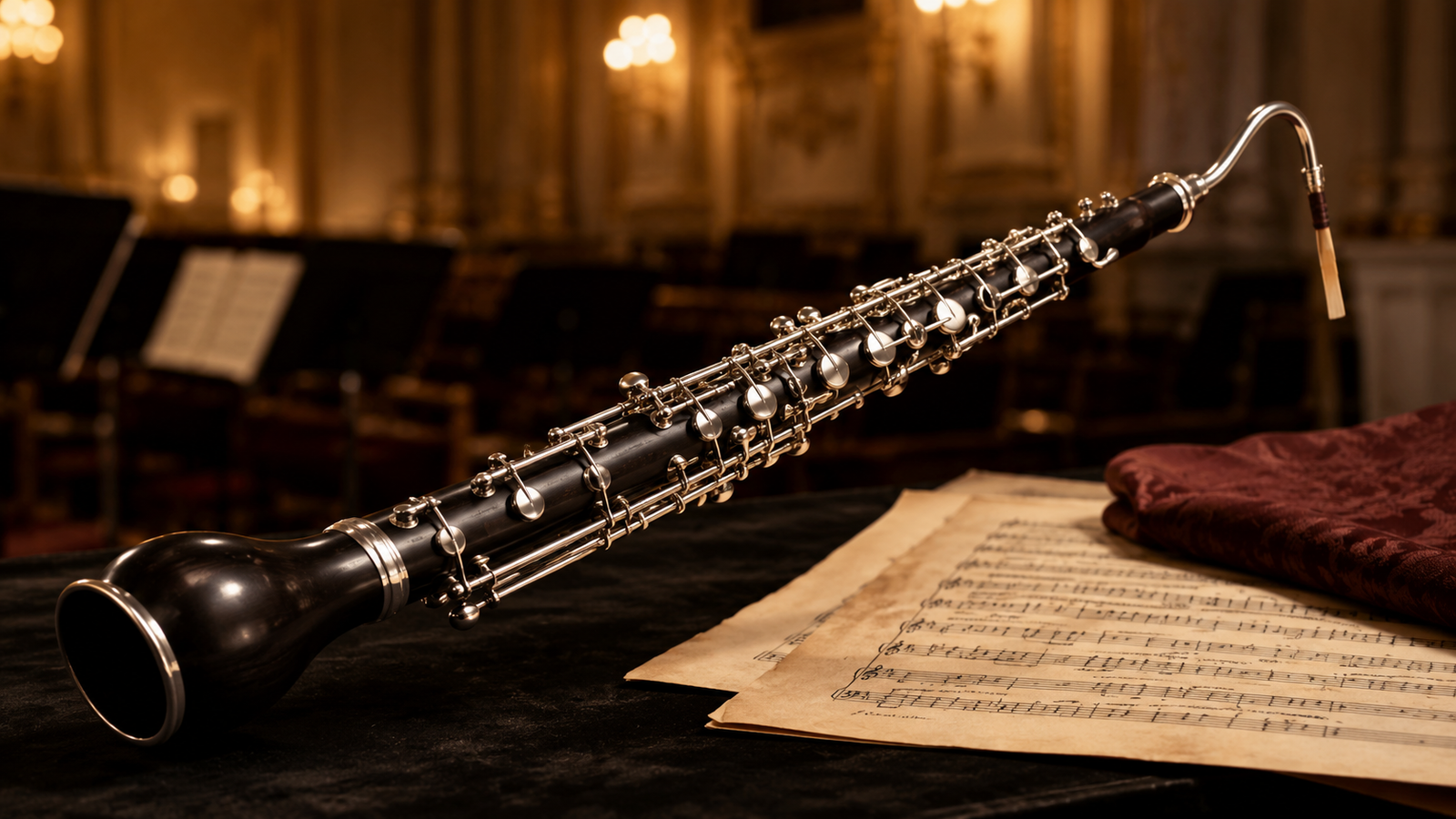
The English horn, also called the cor anglais, is a double-reed woodwind instrument. It belongs to the same family as the oboe but is larger and pitched lower. The instrument is usually made from wood and has a long, gently curved shape with metal keys running along its body. One of its most recognizable features is the rounded, bulb-shaped bell at the bottom. This bell helps give the instrument its smooth and mellow sound.
The English horn also uses a curved metal tube called a bocal, which connects the reed to the main body of the instrument. Because it is longer than an oboe, it produces lower notes and has a fuller, darker tone. In an orchestra, the English horn often plays solo passages that need a strong emotional character.
Why Is It Called an English Horn?
The name can be confusing because the instrument is neither truly English nor a brass horn. The exact history of the name is debated, but many music historians believe it developed from older European terms connected to the instrument’s curved shape. Over time, translations and changes in spelling may have turned those descriptions into the name English horn. In French, the instrument is still commonly called cor anglais, which literally means “English horn.” Despite the unusual name, the instrument developed mainly in continental Europe. Its identity became more established during the eighteenth and nineteenth centuries as composers began giving it important roles in orchestral music.
What Does the English Horn Sound Like?
The sound of the English horn is one of the main reasons it is so memorable. Compared with the brighter and more focused sound of the oboe, the English horn has a darker, warmer, and softer tone. It can sound calm and comforting in one piece, then lonely or dramatic in another. This flexibility makes it especially powerful in slow melodies. Composers often use it for music that represents wide landscapes, sadness, distance, nature, or deep reflection. Its tone can carry clearly through an orchestra without becoming sharp or aggressive. Because of this, listeners may notice an English horn solo even when they do not know which instrument is playing.
English Horn vs Oboe
The English horn and oboe look similar, but there are several important differences between them. The English horn is larger, longer, and lower in pitch. It is usually pitched in F, meaning that the written notes sound a perfect fifth lower than written. The oboe, on the other hand, is a concert-pitch instrument.
The English horn also has a rounded bell, while the oboe usually has a more flared bell. Another major difference is the tone. The oboe can sound bright, clear, and penetrating, while the English horn produces a more mellow and rounded sound. Both instruments use double reeds, so players need strong breath control and careful reed technique. Many professional oboists learn both instruments because orchestras often require the same musician to switch between them.
How the English Horn Produces Sound
Like the oboe, the English horn uses a double reed. This means two thin pieces of cane vibrate against each other when the musician blows air through them. The reed is attached to the bocal, and the sound travels down through the wooden body of the instrument. The player changes notes by covering and uncovering tone holes with the keys. Producing a steady, beautiful tone requires controlled breathing, proper lip position, and careful attention to the reed. A small change in air pressure can affect the sound noticeably. For this reason, playing the English horn can be challenging, especially for beginners. Experienced players spend time adjusting or making their reeds because reed quality has a major effect on tone and tuning.
Where Is the English Horn Used?
The English horn is most strongly associated with the orchestra, where it often has a special solo role. It appears in symphonies, operas, film scores, chamber music, and modern concert works. Its emotional tone makes it useful in scenes that need a strong mood. Film composers may use the instrument to suggest loneliness, memory, nature, or quiet tension. In orchestral music, an English horn solo may appear after a loud section to create contrast or bring the listener into a more personal musical moment. The instrument is less common in school bands and casual music groups because it can be expensive and requires specialized playing skills, but advanced wind ensembles sometimes include it.
Is the English Horn Difficult to Play?
The English horn can be demanding, especially for someone who has never played a double-reed instrument. Breath control is important because the player must keep steady air pressure through a very small reed opening. Embouchure, which means the way the lips and mouth hold the reed, also plays a major role in producing a stable sound. Intonation can be another challenge because notes may easily become slightly sharp or flat. Many musicians learn the oboe first before progressing to the English horn. Once an oboist develops good reed control and finger technique, learning the English horn becomes easier because the key system is similar. However, the larger size and different air support still require practice.
Why Musicians Value the English Horn
Musicians value the English horn because it fills a sound range and emotional role that few other instruments can match. It can blend beautifully with strings, woodwinds, and brass, yet it can also stand alone in an expressive solo. Its middle-to-low register gives an orchestra warmth without sounding too heavy. Many composers use it carefully rather than constantly, which makes its appearance feel special. When the instrument enters after being silent for several minutes, its unique tone can instantly change the atmosphere of the music. This quality is one reason English horn passages are often remembered by audiences.
Caring for an English Horn
Proper care is essential because the English horn is a delicate wooden instrument. After playing, musicians usually remove moisture from the inside with a cleaning swab. The reed should also be removed and stored safely. Players should avoid leaving the instrument in extreme heat, cold, or dry conditions because wood can crack when humidity changes too quickly. The keys and pads also need regular inspection. Professional maintenance helps keep the instrument working smoothly and prevents small mechanical problems from affecting performance. Reeds need special attention because they wear out over time and can change with weather conditions.
Frequently Asked Questions
Is the English horn actually a horn?
No. The English horn is a woodwind instrument, not a brass horn. It is closely related to the oboe and uses a double reed to produce sound.
Is the English horn from England?
Not necessarily. The instrument developed mainly in continental Europe. Its name likely came from older descriptions and translations rather than its place of origin.
What key is the English horn in?
The English horn is usually pitched in F. This means the note heard sounds a perfect fifth lower than the written note.
Is an English horn lower than an oboe?
Yes. The English horn is larger and produces lower notes than the oboe. It also has a warmer and darker tone.
Can an oboe player play the English horn?
Yes. Many professional oboe players also learn the English horn because the fingerings and playing techniques are closely related.
Conclusion
The English horn is a unique woodwind instrument known for its rich, expressive, and mellow sound. Although it shares many features with the oboe, its larger size, lower pitch, curved bocal, and rounded bell give it a character of its own. It is especially valuable in orchestras because it can create emotional moments that feel warm, distant, reflective, or dramatic. Playing it requires strong breath control, careful reed technique, and regular practice, but the result is a sound that few instruments can copy. Whether heard in a symphony, opera, or film score, the English horn adds depth and personality to music and remains one of the most distinctive voices in the woodwind family.
READ MORE: selftimes
