


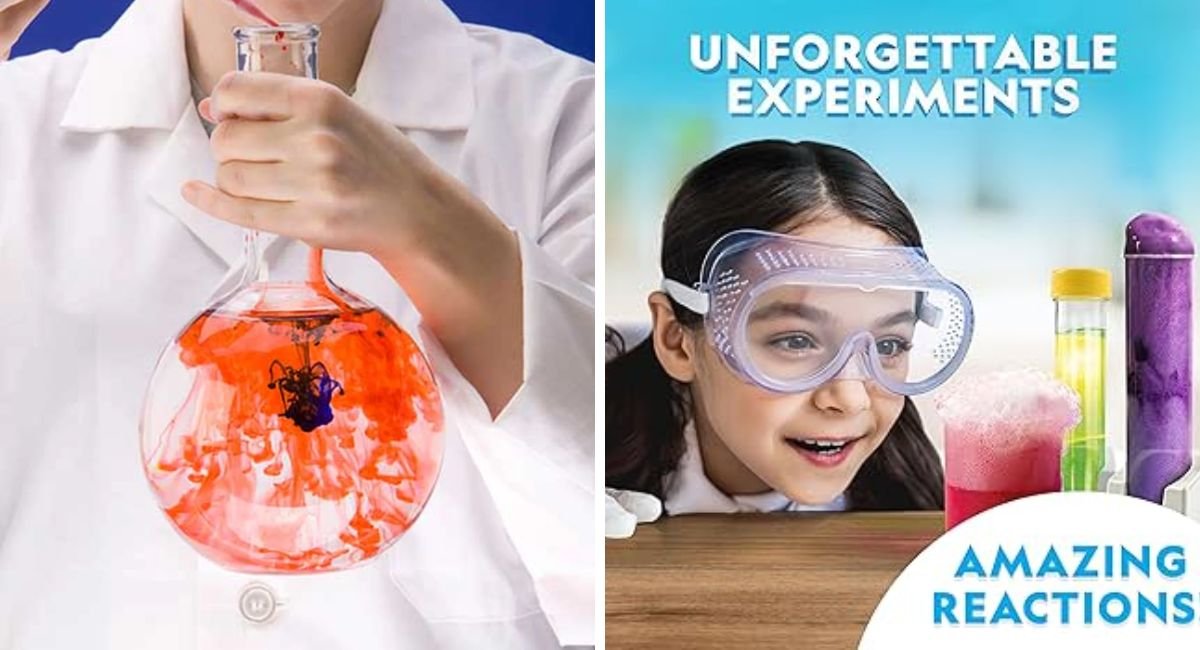
Chemistry is often called the central science because it connects physics, biology, environmental science, and medicine. At the heart of this discipline are chemistry experiments, which allow scientists, students, and researchers to observe chemical reactions, test theories, and discover new substances. Every major scientific breakthrough, from life-saving medicines to sustainable energy solutions, has relied on carefully designed experiments. Whether conducted in a home kitchen, a school laboratory, or a sophisticated research facility, chemistry experiments provide valuable insights into how matter behaves and changes.
These experiments not only expand scientific knowledge but also encourage curiosity, critical thinking, and problem-solving skills. Understanding chemistry experiments helps people appreciate the science behind everyday products, natural processes, and technological innovations that influence modern life.
Understanding the Purpose of Chemistry Experiments
The primary purpose of chemistry experiments is to investigate how substances interact with one another under different conditions. Scientists use experiments to confirm hypotheses, collect data, and develop scientific explanations for observed phenomena. Experiments help determine the properties of elements and compounds, identify unknown substances, and explore the effects of variables such as temperature, pressure, and concentration.
Through experimentation, chemists can discover new materials, improve manufacturing processes, and create innovative solutions to global challenges. Without experiments, chemistry would remain a collection of theories rather than a practical science capable of producing real-world applications. Every experiment contributes to a deeper understanding of the chemical principles that govern the universe.
The Role of Scientists in Chemistry Experiments
Behind every successful chemistry experiment is a scientist who carefully plans, conducts, and analyses the investigation. Chemists design experiments to answer specific questions or solve particular problems. They design experimental methods, select the necessary materials and equipment, and maintain strict safety standards at every stage of the investigation.
Scientists also record observations, interpret results, and communicate findings to the scientific community.
Their work requires patience, precision, and a strong understanding of chemical principles. Many famous scientists, such as Antoine Lavoisier, Marie Curie, and Dmitri Mendeleev, advanced the field of chemistry through groundbreaking experiments that transformed scientific understanding. Today, modern chemists continue this tradition by exploring new frontiers in medicine, energy, environmental protection, and materials science.
Popular Chemistry Experiments for Beginners
Many people are introduced to chemistry through simple and engaging experiments that demonstrate fundamental concepts. One of the most popular examples is the baking soda and vinegar reaction, which produces carbon dioxide gas and creates a dramatic foaming effect. Another favourite is the red cabbage pH indicator experiment, in which natural pigments change colour in response to acidic or basic solutions.
These beginner-level experiments provide a safe and accessible way to learn about chemical reactions, acids and bases, and the scientific method. They also encourage hands-on learning, making abstract concepts easier to understand. Such experiments demonstrate that chemistry is not limited to laboratories but can be observed in everyday life.
Classroom Chemistry Experiments and Their Educational Value
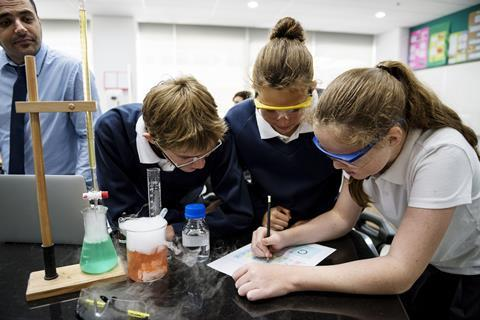
In schools, chemistry experiments play a crucial role in science education. Classroom demonstrations allow students to witness chemical principles in action and develop practical laboratory skills. Experiments such as flame tests, crystal formation, and the blue bottle reaction help students understand concepts like electron excitation, crystallisation, and oxidation-reduction reactions.
These activities promote active learning by encouraging students to ask questions, make predictions, and analyse results. Hands-on experimentation also strengthens critical thinking and problem-solving abilities, which are essential skills in both academic and professional settings. By engaging directly with scientific processes, students gain a deeper appreciation for the relevance of chemistry in daily life.
Advanced Chemistry Experiments in Research Laboratories
At the university and industrial level, chemistry experiments become significantly more sophisticated. Researchers use advanced equipment and specialised techniques to investigate complex chemical systems. Experiments involving drug synthesis, spectroscopy, chromatography, and nanotechnology require precise measurements and controlled conditions.
These investigations contribute to major scientific and technological advancements, including the development of new pharmaceuticals, renewable energy technologies, and environmentally friendly materials. Advanced chemistry experiments often involve collaboration among scientists from multiple disciplines, reflecting the interconnected nature of modern research. Through these efforts, chemistry continues to drive innovation and improve the quality of life worldwide.
Safety Measures in Chemistry Experiments
Safety is one of the most important aspects of conducting chemistry experiments. Even simple experiments require careful attention to procedures and potential hazards. Protective equipment, such as safety goggles, gloves, and lab coats, helps reduce the risk of injury.
Proper handling, storage, and disposal of chemicals are essential for preventing accidents and environmental contamination. In professional laboratories, additional precautions such as ventilation systems, fume hoods, and emergency response protocols provide further protection. Understanding and following safety guidelines ensures that experiments can be conducted effectively while minimising risks. A strong culture of safety is fundamental to responsible scientific practice.
How Chemistry Experiments Impact Everyday Life
Many aspects of modern life are influenced by discoveries made through chemistry experiments. Household cleaning products, medicines, cosmetics, food preservatives, and electronic devices all result from extensive chemical research and testing. Experiments have enabled scientists to create safer materials, improve agricultural productivity, and develop treatments for diseases.
Environmental chemistry experiments help monitor pollution levels and identify strategies for protecting natural resources. Even simple activities such as cooking involve chemical reactions that transform ingredients into edible meals. Recognising the widespread impact of chemistry experiments highlights their importance in shaping society and improving human well-being.
The Future of Chemistry Experiments
The future of chemistry experiments is closely linked to technological innovation and global sustainability goals. Emerging fields such as green chemistry, artificial intelligence, and biotechnology are transforming the way experiments are designed and conducted. Researchers are developing environmentally friendly processes that reduce waste and conserve resources while maintaining efficiency.
Automated laboratory systems and advanced analytical instruments allow scientists to perform experiments with greater speed and accuracy than ever before. These developments are expected to accelerate scientific discovery and address critical challenges related to health, energy, and environmental protection. As technology continues to evolve, chemistry experiments will remain at the forefront of scientific progress.
Conclusion
Chemistry experiments are essential tools for understanding the behaviour of matter and advancing scientific knowledge. From simple educational demonstrations to complex research investigations, these experiments reveal the principles that govern the natural world. They inspire curiosity, support innovation, and contribute to countless improvements in everyday life.
By combining careful observation, scientific reasoning, and strict safety practices, chemistry experiments continue to unlock new possibilities and drive progress across multiple fields. Their importance extends far beyond the laboratory, influencing technology, medicine, industry, and environmental sustainability for generations to come.
Frequently Asked Questions (FAQs)
1. What are chemistry experiments?
Chemistry experiments are scientific procedures designed to study chemical reactions, properties of substances, and the behaviour of matter under different conditions.
2. Why are chemistry experiments important?
They help scientists test theories, discover new materials, develop medicines, improve technologies, and better understand the natural world.
3. Are chemistry experiments safe for students?
Yes, when conducted under proper supervision and with appropriate safety equipment, educational chemistry experiments are generally safe for students.
4. What is the most common chemistry experiment?
The baking soda and vinegar reaction is one of the most common and widely recognised chemistry experiments because it clearly demonstrates an acid-base reaction.
5. How do chemistry experiments benefit society?
They contribute to advances in healthcare, environmental protection, manufacturing, agriculture, and many other fields that improve the quality of life.
READ MORE: selftimes
