


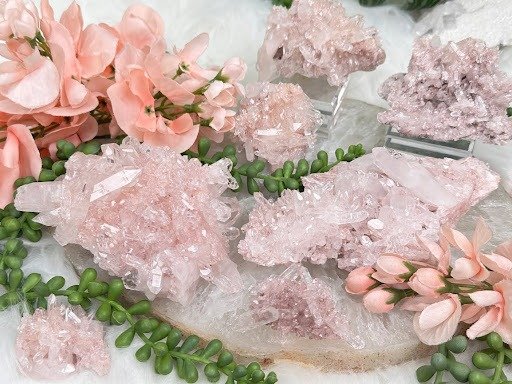
When browsing crystals for sale, many people find themselves drawn first to raw pieces rather than polished stones or jewelry. There is something grounding and honest about crystals in their natural state, untouched by shaping or refinement. Raw crystals feel closer to their origins, still carrying the textures, formations, and structures created deep within the earth.
Each piece tells a quiet story of time, pressure, and environment, making raw crystals appealing not only for their beauty but also for their individuality. No two pieces are exactly alike, even when they come from the same location.
Understanding Crystal Formations
One of the most interesting aspects of raw crystals is the wide range of formations they can take. Some crystals grow in clusters, with multiple points forming on a shared base. Others develop as single points, blades, or fibrous masses. These formations are not random; they are influenced by the mineral’s chemical structure and the conditions in which it formed.
Clusters are especially popular because they display multiple crystal points growing together, often radiating outward. Drusy formations, which feature tiny sparkling crystals covering a surface, are another common type. Massive formations lack visible crystal points but still hold strong visual appeal due to their color and texture. Understanding these terms helps collectors appreciate why each raw crystal looks the way it does.
Quartz Clusters and Their Variations
Quartz is one of the most well-known crystals found in raw cluster form. Clear quartz clusters often feature sharp points that grow upward from a rocky base. These formations can range from small palm-sized pieces to large statement specimens. Quartz clusters are found in many parts of the world, and their appearance can vary depending on where they formed.
Some quartz clusters appear almost transparent, while others have cloudy or smoky inclusions. Iron staining can give quartz a golden or rust-colored hue, adding character and uniqueness. Because quartz forms so readily in clusters, it is often one of the first raw crystals people add to their collection.
Amethyst in Natural Form
Amethyst is a variety of quartz that is especially admired in raw cluster form. These clusters typically form within geodes, with deep-purple points lining a hollow cavity. The contrast between the rough outer shell and the sparkling interior makes amethyst clusters visually striking.
The color of amethyst can range from pale lavender to deep violet, depending on trace elements and formation conditions. Some clusters show color zoning, with darker tips and lighter bases. This natural variation enhances the appeal of raw amethyst, making each piece feel special and unique.
Black Tourmaline and Its Raw Texture
Black tourmaline is another crystal commonly found in raw form, often as long, striated rods or clusters of vertical crystals. Its natural texture is rugged and bold, with deep grooves running along the length of each crystal. Raw black tourmaline pieces often feel heavier and denser than they appear.
Clusters of black tourmaline can look dramatic, especially when multiple crystals grow together at different angles. These pieces are popular for display because their natural shape feels powerful and grounded, even without polishing or shaping.
Blue Celestite Clusters
Blue celestite is best known for its delicate crystal clusters that often form inside geodes. These clusters feature soft blue crystals that grow in tight formations, creating a gentle, airy appearance. Despite their lightweight appearance, celestite clusters can be surprisingly durable.
The crystals themselves are often translucent, catching light beautifully when displayed near a window or soft lighting. Because celestite is relatively soft, it is usually left raw rather than polished, preserving its fragile crystal points.
Fluorite and Its Unique Growth Patterns
Fluorite is a fascinating crystal because of the variety of ways it can form. Raw fluorite clusters may show cubic or octahedral shapes, reflecting their unique internal structure. These geometric formations can appear almost sculptural, even though they are completely natural.
Fluorite comes in many colors, including purple, green, blue, and clear, and some clusters display multiple colors within a single piece. Raw fluorite often has a glassy luster that makes its crystal faces stand out, especially when left untouched.
Cobalto Calcite and Its Bold Color
Cobalto calcite is known for its vivid pink color, which is especially striking in raw cluster form. These clusters often appear as small crystal formations covering a rocky matrix, creating a strong contrast between the bright pink crystals and the darker base.
Because of its intense color, cobalto calcite is rarely polished. Its natural sparkle and texture are part of what makes it so appealing. Raw pieces often feel expressive and bold, making them favorites among collectors who enjoy more vibrant stones.
Azurite and Malachite Formations
Azurite and malachite often form together, creating raw specimens with deep blue and rich green tones side by side. Azurite may appear as sharp crystal points or rounded nodules, while malachite often forms in botryoidal, or grape-like, shapes.
These raw combinations are especially popular because of their strong visual contrast. The natural patterns created by these minerals are impossible to replicate artificially, making each piece a natural work of art shaped entirely by geological processes.
Calcite in Its Many Forms
Calcite is a versatile mineral that can form in many different ways. Raw calcite clusters may show pointed crystals, layered growth, or smooth, rounded surfaces. Calcite comes in a wide range of colors, including white, orange, green, and honey tones.
Some calcite formations appear almost sculptural, with flowing shapes and soft edges. Because calcite is relatively soft, many collectors prefer it in raw form, where its natural structure can be fully appreciated without alteration.
Why Raw Crystals Continue to Be Popular
Raw crystals appeal to people for many reasons beyond appearance. Their natural forms feel grounding and authentic, offering a sense of connection to the earth. Many people enjoy displaying raw clusters in their homes, meditation spaces, or work areas because they add character without feeling overly decorative.
Collectors also appreciate the educational aspect of raw crystals. Studying formations, growth patterns, and mineral combinations can deepen understanding of geology and natural history. Each piece becomes more than just an object; it becomes a small glimpse into the processes that shape the planet.
A Lasting Appreciation for Natural Forms
The beauty of raw crystals lies in their imperfections and individuality. From quartz and amethyst clusters to celestite, fluorite, and calcite formations, these stones showcase nature’s creativity in its purest form. As interest in natural, unaltered materials continues to grow, raw crystals remain a meaningful and visually compelling choice for collectors and enthusiasts alike.
READ MORE: selftimes
